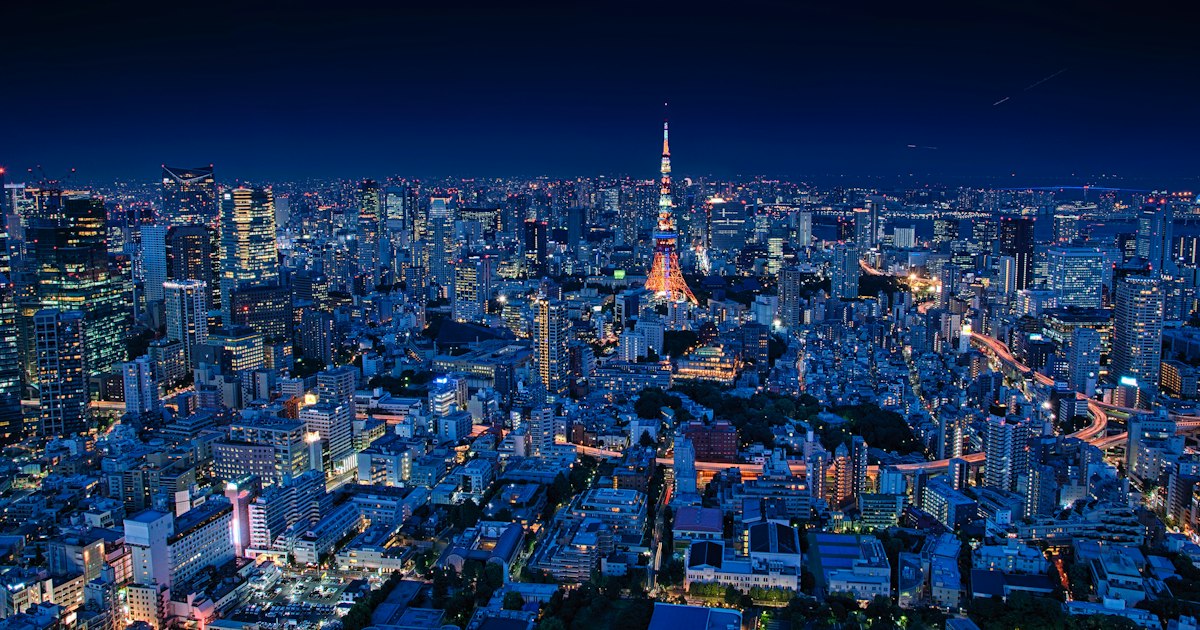
Photo by Takashi Miyazaki on Unsplash
Twice a year, hundreds of thousands of fans descend on a convention center in Tokyo Bay to buy self-published manga, meet cosplayers, and queue for hours in the summer heat or winter cold — all for a catalog of comics most of them have never seen before. This is Comiket, the Comic Market, and it’s one of the strangest, most fascinating events a manga or anime fan can experience in Japan. Here’s what it actually is, and how an outside visitor can attend without getting overwhelmed.
What Exactly Is Comiket?
Comiket (short for Comic Market) is the world’s largest doujinshi fair — a market for self-published, fan-made manga, novels, art books, and games, created by amateur and semi-professional artists called “circles.” It started in 1975 with a few dozen tables and has grown into an event that regularly draws over 500,000 attendees across its run. Unlike anime expos run by corporations, Comiket is organized by a volunteer preparatory committee, and its spirit is still fundamentally about fans selling to fans — though in recent years official publishers and game companies have added their own promotional booths alongside the fan circles.
It is held entirely at Tokyo Big Sight (Tokyo International Exhibition Center) in Ariake, Koto Ward, and it is genuinely enormous — multiple exhibition halls packed wall-to-wall with tables, each staffed by the artist who made the work being sold.
When and Where It Happens
Comiket runs twice a year: a summer edition in mid-August and a winter edition at the very end of December (traditionally around December 29–31, though exact dates shift slightly year to year around New Year holidays and venue availability). Each event typically spans two to three days, with different genres and circle categories assigned to different days to spread out the crowds — so if you’re chasing a specific genre, check the official day-by-day circle list before you go.
The venue, Tokyo Big Sight, sits on reclaimed land in Tokyo Bay. The easiest access is the Yurikamome automated line to Tokyo Big Sight Station or Kokusai-Tenjijo-Seimon Station, both of which connect directly to the exhibition halls. The Rinkai Line’s Kokusai-Tenjijo Station is a short walk away and is often less crowded than the Yurikamome on event mornings. Trains in both directions get packed well before opening, so build in extra time — and if you’re traveling through central Tokyo during the morning commute to get there, note that some train lines run women-only cars during weekday rush hours, marked with pink signage near specific doors.
Getting In: Tickets, Catalogs, and Entry Rules
Comiket itself has no admission ticket in the way a theme park does — entry is tied to owning the event catalog, which also functions as your map and circle directory. Most attendees buy the digital catalog app (roughly ¥2,000) or, for the winter event, a printed catalog (around ¥2,700) sold at convenience stores and bookstores in Tokyo in the days before the event. Owning the catalog app on your phone, with your ticket/QR code activated inside it, is now the standard way organizers manage entry and crowd flow, so download it and register before your trip rather than trying to sort it out at the gate.
Lines start forming outside Tokyo Big Sight well before the doors open, and popular circles can have queues stretching for blocks. Doors generally open around 10:00 and the event runs until mid-afternoon, but arriving at opening time is normal, not early — many serious attendees arrive hours before that. If you just want to browse, walk the halls, and buy from circles without a specific long line, arriving an hour or two after opening is far less stressful.
What You’ll Actually Find Inside
The halls are organized by genre and circle number, and the sheer scale takes first-timers by surprise — thousands of individual tables, each selling that artist’s own doujinshi, art prints, badges, or small-run merchandise, almost all cash-only and often limited to a handful of copies per buyer. Alongside the fan circles, larger companies now run promotional booths selling official merchandise, previewing upcoming games, and occasionally hosting stage events. Outside and around the venue, cosplayers gather in designated areas to pose for photos — but note that cosplayers are required to change into costume on-site in designated areas, not travel in costume from home, and photographing someone’s cosplay without asking first is considered rude.
If you need a cigarette break between halls, be aware Tokyo Big Sight and the surrounding area enforce Japan’s standard rules on public smoking — you’ll need to find one of the designated smoking areas rather than lighting up on the street or plaza outside.
Budgeting for the Day
Comiket can be done cheaply or you can easily spend a lot — it depends entirely on how many circles’ work you want to take home.
- Budget (~¥3,000–5,000): Catalog app (~¥2,000), train fare, a couple of doujinshi at ¥500–800 each, and a convenience-store lunch.
- Mid-range (~¥8,000–15,000): Catalog, a dozen or more books and prints across multiple circles (most run ¥500–1,500 each), plus official merchandise from a corporate booth.
- Splurge (¥20,000+): Limited-run art books from popular circles (which can sell for several thousand yen once in demand and resell for far more afterward), plus bigger-ticket official merchandise and figures from the industry booths.
Bring cash in small denominations — most circles cannot process cards, and change for a ¥10,000 note is a genuine burden for a one-person table. ATMs inside Tokyo Big Sight exist but have long lines during the event.
Common Mistakes and Survival Tips
The single biggest mistake visitors make is underestimating the physical toll: this is a full day of standing, walking, and queuing, often in August heat or December cold, with limited seating. Bring water, sun protection or warm layers depending on the season, and comfortable shoes. Food lines at the on-site food court and nearby convenience stores get overwhelmed almost immediately, so eat beforehand or carry snacks.
Large suitcases and oversized bags are discouraged or restricted inside the halls because of how tightly packed the aisles get — leave rolling luggage at your hotel or a coin locker and bring a backpack instead. Photography rules vary by hall and by circle, so don’t assume you can photograph displays, products, or people freely; when in doubt, ask. And don’t expect English signage or English-speaking staff throughout the venue — the event is run primarily in Japanese, so having the catalog app (which includes maps and basic navigation) loaded on your phone beforehand makes a real difference.
Is Comiket Worth It for a Tourist?
If you’re a manga, anime, or doujinshi fan with even passing Japanese reading ability (or patience with a translation app), Comiket is unlike anything else you’ll find in Japan — a snapshot of fan creativity at a scale no other country produces. If you’re a casual visitor without specific interest in the doujinshi scene, it’s still worth a few hours purely as a spectacle, but go in knowing it’s a working market for enthusiasts, not a polished tourist attraction. Treat it the way you’d treat any big Japanese crowd event — plan your transit, bring cash, and pace yourself — and it becomes one of the more memorable days of a Japan trip rather than an exhausting one.