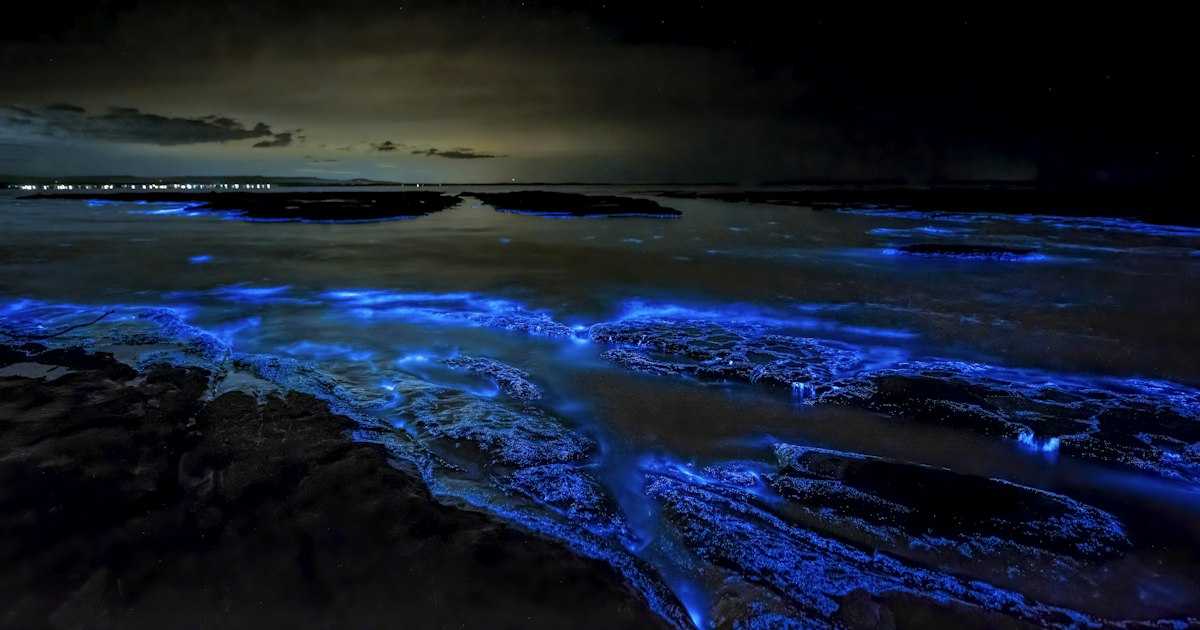
Photo by Trevor McKinnon on Unsplash
Every spring, the dark waters of Toyama Bay light up with one of Japan’s strangest natural spectacles: thousands of firefly squid rising to the surface and glowing an eerie blue. Hotaru ika (蛍烏賊, Watasenia scintillans) are only about 3-7 cm long, but they carry photophores that flash light for mating and defense — and for a few weeks each year, Toyama is the best place on earth to see and eat them. Here’s how to plan the trip properly, from the pre-dawn boat tours to the izakaya counters where they end up on your plate.
What Makes Toyama’s Firefly Squid Special
Firefly squid live throughout the Sea of Japan, but Toyama Bay is unusual because the seafloor drops off so steeply close to shore that the squid come in to spawn in shallow water near the coast, especially around the town of Namerikawa. The stretch of coastline where they gather has been protected as a Special Natural Monument since the 1920s, which is part of why this is treated as a genuine regional icon rather than just a seasonal seafood item — you’ll see hotaru ika motifs on manhole covers, station signage, and local sake labels around Toyama City.
Season and Best Timing
The season runs roughly mid-March through May, with the best glow-watching and freshest catch generally in April. A few things affect your odds on any given night:
- Moon phase: darker, moonless nights make the glow far more visible.
- Tide and wind: calm seas and an incoming tide push squid closer to shore; rough weather cancels viewing boats outright.
- Time of night: the squid rise in the very early hours, well before sunrise — this is not an after-dinner activity.
Because conditions matter so much, build in at least two nights in the area if seeing the live glow is your priority, and treat one clear viewing as a bonus rather than a guarantee.
Watching the Glow: Boat Tours and Shore Viewing
The main way to see firefly squid glowing in the wild is a firefly squid viewing boat (hotaru ika kansen) departing from Namerikawa fishing port, usually leaving around 1:30-3:00 AM during peak season. Tours run only when conditions allow, are frequently cancelled or rescheduled at short notice, and typically cost somewhere in the ¥2,000-2,500 range per adult — book ahead through the local tourism association rather than showing up on the night, and always confirm the current schedule and price before you travel, since operating dates shift slightly year to year. If you can’t manage the early boat departure, some years also see limited shore viewing or shallow-water scooping events near Namerikawa when the squid wash in especially close, though this is far less reliable than the boat.
The Firefly Squid Museum in Namerikawa
Right on the coast in Namerikawa, the Hotarui-ka Miryoku Taikan-kan (Firefly Squid Museum) is worth building your visit around, whether or not you get on a boat. It has tanks and exhibits explaining the squid’s biology and the local fishery, and during the season it occasionally darkens a tank so visitors can see the bioluminescence up close without going out on the water. Admission is inexpensive (roughly ¥500 for adults, less for children), and hours are typically around 9:00 AM to 5:00 PM, though the museum closes on some winter days and hours can vary by season — check the current schedule before you go. Namerikawa is about 15-20 minutes from Toyama Station by local train on the JR Ainokaze Toyama Line.
Where to Eat Hotaru Ika in Toyama
You don’t need to catch the tide right to taste hotaru ika — from March into May it shows up all over Toyama City. The classic preparation is boiled and dressed in vinegar-miso (sumiso-ae), which balances the squid’s rich, slightly bitter liver against a tangy sauce; it’s also served as tempura, in simmered dishes, and as sushi and sashimi when it’s fresh enough.
- Budget (¥300-800 per dish): Izakayas around Toyama Station and the Sogawa entertainment district serve hotaru ika sumiso-ae as a small plate, and department-store basement food halls (depachika, such as at Daiwa near the station) sell prepared trays to go.
- Mid-range (¥1,500-3,500 for a meal): Toyama is famous nationally for its conveyor-belt and counter sushi because Toyama Bay yields such a wide variety of fish — look for set menus pairing hotaru ika sushi with shiroebi (white shrimp), the bay’s other signature delicacy.
- Splurge (¥6,000+): Kaiseki-style dinners at ryokan and specialty seafood restaurants will incorporate hotaru ika as one course among several seasonal Toyama Bay dishes, often alongside sake from a local brewery.
If you’re interested in the drink side of the meal, it’s worth reading about Japan’s sake brewing districts before you go, since Toyama’s own breweries make food-pairing sake specifically meant for the region’s seafood, and a set of sake cups and a tokkuri make a fitting, packable souvenir from the trip.
Getting to Toyama and Namerikawa
Toyama City is on the Hokuriku Shinkansen line, about 2 hours 10 minutes from Tokyo and around 20 minutes from Kanazawa — an easy add-on if you’re already doing a Hokuriku or Kanazawa itinerary. If you want extra legroom and quiet for the ride in, it’s worth knowing how Green Car and Gran Class seating works on shinkansen before you book. From Toyama Station, Namerikawa is a short hop on the JR Ainokaze Toyama Line; if you’re taking a pre-dawn viewing boat, you’ll need a taxi or your own car, since local trains don’t run at 1-2 AM.
Common Mistakes to Avoid
- Assuming any night will do: the glow is genuinely weather- and tide-dependent — check conditions and be ready for a cancelled or rescheduled boat.
- Skipping the liver on your first try: the slightly bitter hepatopancreas is part of what makes sumiso-ae taste the way it does; if you’re squeamish, tempura is a gentler introduction.
- Only visiting Toyama City: the actual glowing spectacle happens off Namerikawa’s coast, not downtown — factor in the extra travel time and, ideally, a night lodging near Namerikawa or Toyama Station rather than a rushed day trip.
- Forgetting freshness windows: raw hotaru ika sashimi has食中毒 (food-safety) considerations around parasites, so reputable restaurants freeze it appropriately first — stick to established restaurants rather than buying raw squid to prepare yourself.
Firefly squid season is brief, weather-dependent, and very much a local specialty rather than a big-city attraction — which is exactly what makes it worth the detour. Pair a few nights in Toyama with a Kanazawa or Hokuriku itinerary, stay flexible about which night you go out on the water, and you’ll come away with one of the more genuinely offbeat travel memories Japan has to offer.