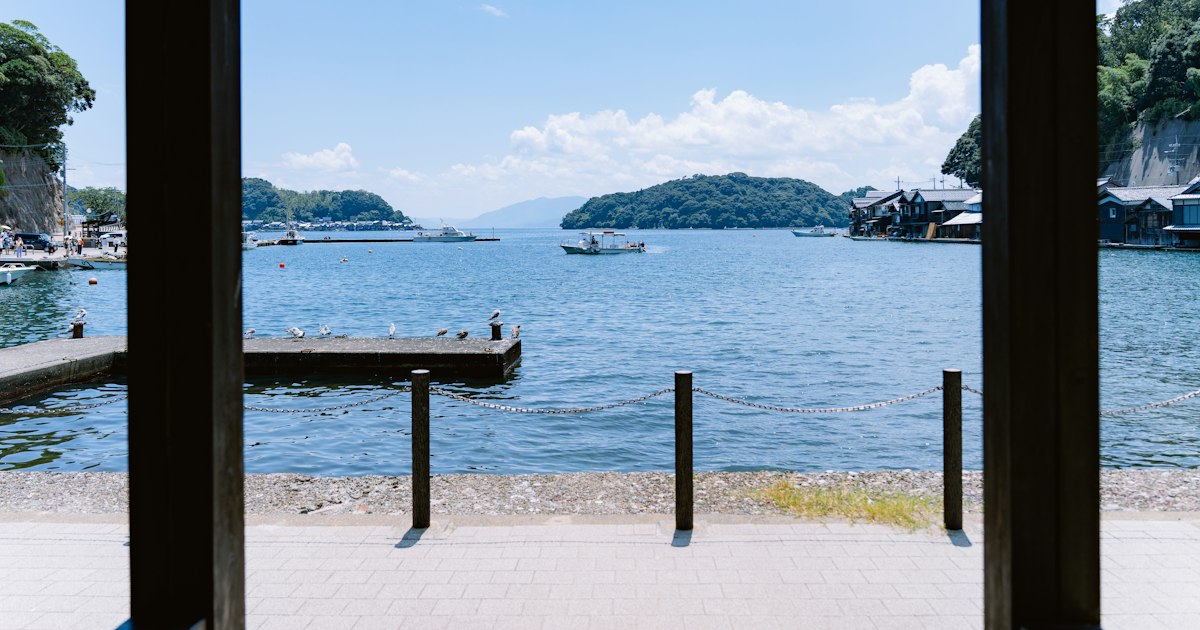
Most foreign visitors who make it to Tsushima pass directly over Iki without a second glance. That’s a shame, because this small Nagasaki-prefecture island sitting in the Genkai Sea — roughly halfway between Fukuoka and Tsushima, closer to the Kyushu mainland — packs an unusual density of shrines, some of the best squid and sea urchin in Japan, and a shochu tradition that predates the drink’s spread to the rest of the country. It’s an easy overnight or even day trip from Fukuoka, and almost nobody does it in English.
Where Iki Island Is and Why It’s Worth the Detour
Iki is about 138 square kilometers with a population of roughly 24,000, administratively part of Nagasaki Prefecture even though it’s geographically much closer to Fukuoka and Saga. The island shows up repeatedly in ancient Chinese records (the Gishiwajinden) as the kingdom of “Iki-koku,” and the Yayoi-period Harunotsuji ruins — a National Special Historic Site with an adjoining museum of bronze mirrors and excavated finds — are the physical proof. That history, plus the island’s role as a stepping stone between Kyushu and the Korean peninsula, is part of why it ended up with so many shrines packed into such a small area.
Getting There: Ferry, Jetfoil, or a 30-Minute Flight
Hakata Port in Fukuoka is the main gateway, operated by Kyushu Shosen:
- Jetfoil (“Venus”): about 1 hour to Indoji Port, roughly ¥6,500–7,000 one-way for an adult.
- Car ferry: about 2 hours 10 minutes to Indoji or Gonoura Port, roughly ¥3,300–4,000 one-way in 2nd class.
Karatsu (Saga Prefecture) also runs a car ferry to Gonoura, about 1 hour 40 minutes, favored by locals bringing their own vehicles over from the Kyushu mainland. For a faster option, Oriental Air Bridge flies small turboprops to Iki Airport from both Nagasaki Airport and Fukuoka Airport, each flight around 30 minutes; advance-purchase fares can come in well under the walk-up price, which otherwise runs ¥10,000–15,000. Whichever way you go, check the return schedule before you leave port — the last jetfoil back to Hakata is often as early as 17:00–18:00, and it’s genuinely easy to get stranded if you cut a day trip too close.
Shrines Everywhere: Iki’s Sacred Density
Iki is sometimes cited as having one of the highest shrine-to-resident ratios in Japan — around 150 shrines for 24,000 people. A few worth building a route around:
- Kojima Shrine (小島神社): a tiny shrine on a tidal islet near Gonoura, nicknamed “Iki’s Mont Saint-Michel.” You can only walk across the exposed seabed at low tide, so check tide tables before you go — there’s no fixed crossing schedule, and getting caught by the incoming water is a real risk, not a scare story.
- Hakusaki Shrine and the nearby Saruiwa (“Monkey Rock”), a wind-carved sea stack that genuinely looks like a seated monkey from the right angle.
- Tsukiyomi Shrine (月読神社): said by some traditions to be the origin shrine for every Tsukiyomi (moon-deity) shrine in Japan, tied historically to the Nakatomi/Urabe clan of diviners.
None of these charge admission, and most are unstaffed — treat them with the same quiet respect you’d give any working shrine on the mainland.
What to Eat: Squid, Sea Urchin, Wagyu, and Shochu
Iki’s food reputation is not hype. The island is one of Japan’s top squid grounds, and at night you can watch the fishing fleet’s blue-white jigging lights offshore near Katsumoto port. Order ika sashimi or ika somen (squid sliced into noodle-thin strands) at any harborside restaurant — it’s usually under ¥2,000. Anglers who recognize the egi squid jigs discussed in our guide to Japanese fishing lure collecting will find Katsumoto’s tackle shops worth a browse even if you’re not fishing yourself.
Sea urchin (uni) peaks from June through August; a bowl of uni-don at that time runs roughly ¥3,000–5,000. Iki is also a significant wagyu breeding ground — calves raised here are shipped out and finished under other regional brand names, but local yakiniku restaurants in Gonoura and Ashibe serve Iki beef directly, with set courses starting around ¥5,000 and splurge-level courses well over ¥10,000. Finally, Iki is the historical birthplace of mugi (barley) shochu, with a protected geographical-indication status similar to Scotch whisky’s. Small distilleries such as Genkai Shuzo and Yunotsu Shuzo offer free tours and tastings, and a 720ml bottle typically costs ¥1,000–2,000 at local shops — a far more distinctive souvenir than anything at the Hakata Port gift kiosks.
Getting Around and Where to Stay
There’s no train, and buses run only a handful of times a day on the main routes, so a rental car is close to essential. Counters exist at Indoji Port, Gonoura Port, and Iki Airport, typically around ¥5,000–7,000/day for a compact. If you’re visiting on a foreign license, confirm you’re carrying a valid permit before you land — our guide to International Driving Permits for Japan covers which countries’ licenses are actually accepted. Book ahead during Golden Week or Obon, when cars sell out.
Lodging ranges from budget minshuku with home-cooked meals (¥6,000–8,000/night) to business hotels in Gonoura or Ashibe (¥8,000–12,000) up to a handful of seaside ryokan with onsen and kaiseki dinners built around local squid, uni, and wagyu (¥20,000–30,000). Cash matters more here than in Fukuoka or Nagasaki city — many restaurants and smaller shops don’t take cards, and ATMs are limited to post offices and a few bank branches in the main towns, so stock up on yen before you leave the mainland; see our notes on currency exchange in Japan if you’re arriving low on cash.
Best Season and Mistakes to Avoid
Late spring (May–June) brings mild weather and good fishing conditions; July–August adds sea urchin season and swimming at beaches like Tsutsukihama and Nishihama. Winter is quieter and still good for squid and yellowtail, but expect colder wind and occasional jetfoil cancellations in rough seas — if your schedule is tight, build in a buffer day. The most common mistakes are treating Iki as a rushed half-day stop without checking the last boat back, skipping the tide check for Kojima Shrine, assuming cards work everywhere, and underestimating that a direct Iki–Tsushima connection is limited — many travelers have to route back through Fukuoka rather than hopping straight across. If you enjoy stitching together small, little-visited islands the way you might through the Seto Inland Sea or on a trip to Mikurajima off Tokyo, Iki rewards exactly that kind of unhurried, slightly off-script itinerary — just plan the logistics first.