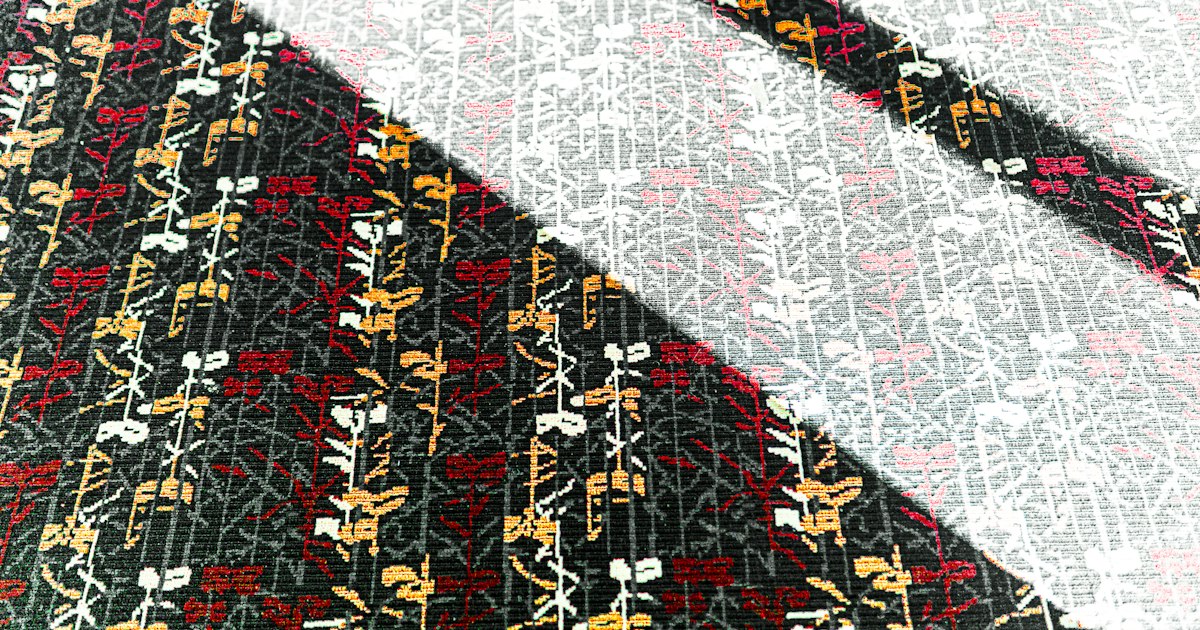
Photo by Sean Nufer on Unsplash
If you’ve wandered the men’s floor of a Japanese department store in June or ducked into a Don Quijote during a heat wave, you’ve probably seen racks of loose, knee-length shorts in cheerful stripes or indigo patterns labeled “ステテコ” (steteco). They look like old-fashioned underwear, and in a sense, they are — but they’ve also become one of Japan’s most practical souvenir buys for anyone suffering through the country’s humid summers. Here’s what steteco actually are, why Japanese men (and increasingly women) swear by them, and exactly where to find a good pair.
What Exactly Is Steteco?
Steteco are loose-fitting, lightweight cotton shorts that reach to just above or below the knee, traditionally worn as an underlayer beneath kimono or yukata to stop the fabric from chafing bare skin and to absorb sweat in summer. The name is thought to derive from the Meiji-era “sutetenko” or “steteko” dance craze of the 1870s, though the exact etymology is debated — what’s certain is that by the early 20th century, steteco had become standard men’s summer underwear across Japan, eventually losing ground to Western-style briefs and boxers in the postwar decades.
What makes them worth buying today isn’t nostalgia — it’s the cut. Steteco are wide through the thigh, have no tight elastic cuffs, and are almost always made of breathable cotton (often “tenjiku” double-weave cotton), so they trap far less heat than synthetic sleep shorts. On a 35°C Tokyo night, that difference is real.
Why Steteco Became a Modern Loungewear Trend
Around the mid-2010s, brands like Kyoto’s SOU•SOU and hosiery maker Gunze repositioned steteco from “old man’s underwear” to stylish summer room wear, printing them in bold Japanese patterns and marketing them as loungewear and pajama bottoms rather than something hidden under clothes. That rebrand worked: steteco now sit comfortably next to the jinbei (two-piece summer sets) and the loungewear popularized by brands like Gelato Pique on seasonal shop floors every summer. The key difference from jinbei is that steteco are shorts only, meant to be worn with a plain T-shirt, not a matching top — so don’t buy them expecting a two-piece set unless the package explicitly says so.
Where to Buy Steteco in Japan
Budget (¥980–1,500): Don Quijote is the easiest option for visitors — most stores stock a basic steteco corner near the men’s underwear section, with plain navy, grey, or striped cotton pairs from around ¥980. Don Quijote’s big Tokyo locations (Shibuya, Akihabara, Shinjuku) tend to carry the widest size range and stay open late or 24 hours, which is handy if you’re shopping after a long day of sightseeing.
Mid-range (¥1,290–2,990): MUJI sells clean, unpatterned steteco in cotton and cotton-linen blends, usually in the men’s sleepwear section, with sizes clearly marked M/L/LL. Gunze, the century-old Kyoto hosiery company that helped popularize the modern steteco revival, sells its BODY WILD and seasonal steteco lines in department stores like Isetan and Takashimaya, as well as in Aeon supermarkets nationwide — look for the summer “steteco” seasonal end-cap display, usually set up from late April through August.
Splurge (¥5,000–8,000+): SOU•SOU, based in Kyoto’s Kiyamachi/Shijo area near the Kamo River, sells steteco in distinctive Japanese-pattern cotton — indigo-dyed, kasuri weave, or ukiyo-e-inspired prints — that double as genuinely good-looking loungewear rather than something you’d hide. These make far better gifts than the budget versions, and the fabric quality (often 100% cotton tenjiku weave) is noticeably softer after a few washes. If you’re already in Kyoto shopping for textile crafts, it’s worth pairing a SOU•SOU stop with a look at traditional tool shops, the way enthusiasts browse Japanese woodworking hand tools for the same mix of function and craft.
Sizing, Fabric, and Common Mistakes
Japanese sizing runs smaller than US/EU standards, so check the waist measurement in centimeters rather than relying on the letter size — M is typically a 70–80cm waist, L around 80–90cm, and LL up to 100cm. Steteco have no fitted waistband; most use a drawstring or soft elastic, so there’s more forgiveness than with regular shorts, but if you’re above a US size 38 waist, go straight for LL or check Gunze’s extended sizing before committing to a Don Quijote impulse buy.
The biggest mistake visitors make is grabbing a polyester or poly-cotton blend because it’s cheaper — it defeats the entire purpose, since synthetic fabric traps heat and sweat exactly like the cuffed Western shorts steteco were designed to replace. Check the tag for “綿100%” (100% cotton) or at least a majority-cotton blend. The second mistake is wearing them as outerwear in public; despite the stylish prints, steteco are still culturally understood as an indoor or underlayer garment in Japan, and older generations in particular will read them as underwear if worn alone outside the house or a ryokan.
Best Time to Shop for Steteco
Stock and selection peak from late April through August, when department stores and Don Quijote roll out dedicated summer displays; this is also when you’ll find the most pattern variety at SOU•SOU and similar boutiques. By September, remaining stock often goes on clearance at 30–50% off, which is a good window if you don’t care about color choice. Outside of summer, steteco are still sold year-round at MUJI and Gunze outlets, just with a far smaller selection — don’t expect to find them easily in winter at a general supermarket.
How to Wear Them
The standard pairing is a steteco with a plain crew-neck T-shirt as sleepwear or at-home wear, which is also how they’re displayed in-store. If you’re staying somewhere warm and humid with no air conditioning at night — a guesthouse, a share house, or a budget ryokan — a cotton steteco under loose sleep shorts genuinely helps with the heat, much the way breathable fabric choices matter when picking Japanese deodorants and antiperspirants suited to the climate rather than what you’d normally buy at home. For travelers packing light, steteco also roll up small and dry quickly, making them a smart addition to a carry-on alongside other practical Japan-specific buys, the same logic that applies when picking up specialty gear like a sukumizu for Japan’s public pools — niche, but genuinely useful once you understand what it’s for.
Whether you grab a ¥980 pair from Don Quijote on a whim or invest in a patterned SOU•SOU set as a souvenir, steteco are one of the few traditional Japanese garments that are both authentic and immediately practical for a hot-weather trip — no special occasion or styling knowledge required, just a hot night and the right fabric.