Some links below are affiliate links. If you book through them, Japan Trove may earn a small commission at no extra cost to you.
Hakone is the classic hot-spring escape from Tokyo — onsen ryokan, Mt. Fuji views, open-air art, and a fun loop of quirky transport. It’s a perfect one- or two-night trip. Here’s how to do it.
The Hakone loop
Half the fun is the circuit of transport that links the sights: train, switchback railway, cablecar, ropeway, and a pirate-ship cruise on Lake Ashi. The Hakone Free Pass covers most of it and saves money.
What to see & do
- Onsen — the whole point; soak at a ryokan or day-use bath. Tattooed? See our tattoo & onsen guide.
- Owakudani — a volcanic valley with steam vents and black eggs boiled in the springs.
- Lake Ashi — Fuji views and the Hakone Shrine torii on the water.
- Hakone Open-Air Museum — sculptures and a Picasso collection.
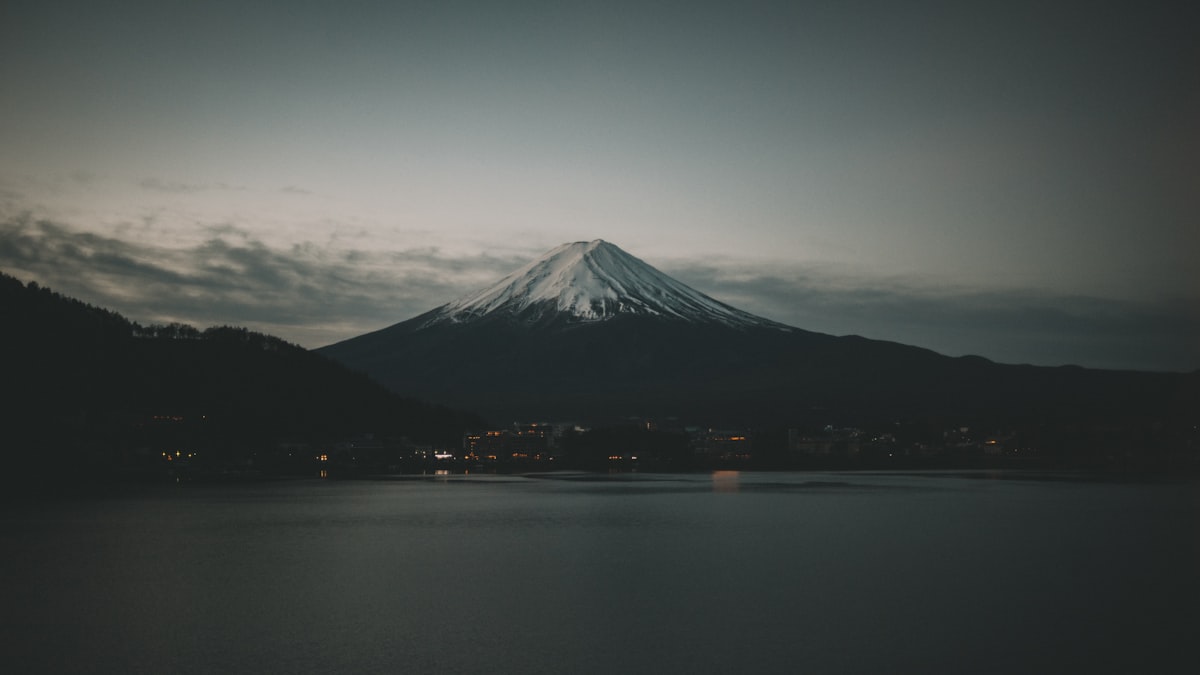
- Mt. Fuji views — on clear days; see how to see Mt. Fuji.
Where to stay
Hakone is ryokan country — book one with an onsen (private baths help if you have tattoos). Reserve early for weekends and autumn; compare on Booking.com .
Getting there
- About 1.5 hours from Shinjuku on the Odakyu line (the Romancecar is a comfy direct option).
- The Hakone Free Pass bundles the round trip plus the loop transport.
- Grab an eSIM for maps and timetables.
Day trip vs overnight
You can loop Hakone as a long day trip, but staying overnight lets you enjoy the onsen properly and catch clearer morning Fuji views. Fold it into a 7-day itinerary.
What things cost
- The Hakone Free Pass runs about JPY 6,100 from Shinjuku (2-day) and covers the round-trip Odakyu train plus unlimited use of the local loop transport — generally cheaper than paying for the train, cablecar, ropeway, and boat separately if you’re using more than two or three of them.
- A ryokan stay with dinner and breakfast runs JPY 20,000-45,000 per person depending on the property and whether the room has a private bath — Hakone’s proximity to Tokyo means it commands slightly higher prices than more remote onsen towns.
- Owakudani’s famous black eggs (kuro-tamago) cost about JPY 500 for a pack of five, said to add years to your life — a fun, inexpensive stop at the volcanic valley regardless of whether you believe the legend.
Common mistakes to avoid
- Trying to do the full loop in a single rushed day trip — while technically possible, cramming the train, cablecar, ropeway, boat cruise, and museum into one day from Tokyo leaves little time to actually enjoy any single stop; an overnight ryokan stay changes the whole pace of the visit.
- Skipping ropeway operation checks — the Owakudani section occasionally closes due to volcanic gas activity; check current status before planning your day around it specifically.
- Booking a ryokan without confirming bath type if you have tattoos — private in-room baths sidestep any policy question entirely; see our tattoo and onsen guide if choosing a shared bath instead.
Best season for Fuji views from Hakone
Winter and early spring mornings offer the clearest odds of an unobstructed Mt. Fuji view from Lake Ashi’s pirate ship cruise or the Hakone Shrine torii gate, since summer humidity and haze frequently obscure the mountain even on otherwise clear days.
Day trip vs overnight, revisited
If time genuinely only allows a day trip, prioritize either the Owakudani-Lake Ashi loop or a single onsen day-use visit rather than trying for both — attempting the complete circuit plus a proper bath in one day from Tokyo usually means rushing the transport loop to make a return train, which defeats much of the point of a relaxing Hakone visit.