If you’ve ever squinted at a tiny plastic Tokyo Tower in a souvenir shop window and wondered how anyone assembles something that small, you’ve met nanoblock. Made by the Japanese toy company Kawada, these building blocks are roughly a quarter the size of standard interlocking bricks, which lets designers recreate landmarks, characters, and vehicles with a level of detail that larger block systems simply can’t match. For visitors who like souvenirs with substance — something you actually build rather than just display — nanoblock is one of the most satisfying things to shop for in Japan.
What Makes Nanoblock Different From Other Building Blocks
Kawada launched nanoblock in 2008, and the core block measures about 4mm x 4mm x 5mm — small enough that a finished Tokyo Skytree model can sit in your palm while still showing recognizable architectural detail. Because of the scale, most sets carry an age recommendation of 12 and up; the pieces are a genuine choking hazard for small children, and the fiddly assembly will frustrate anyone under that age anyway. The line splits roughly into three tiers: palm-sized “Mini” figures and animals, the mid-size “Sights to See” series covering famous buildings and landmarks, and “Deluxe” sets that run into the thousands of pieces for things like Tokyo Station or Himeji Castle.
How Much Nanoblock Sets Cost, From Pocket Change to Splurge
Budget shoppers can pick up a Mini figure — a single animal, a character head, a small food item — for around ¥500 to ¥800. The classic “Sights to See” landmark kits (Tokyo Tower, Mount Fuji, a torii gate) typically run ¥1,200 to ¥2,500 and make genuinely good gifts since they fit in a coat pocket until you’re ready to build them at home. Mid-range collectors often go for the character collaboration sets — Hello Kitty, Snoopy, Studio Ghibli, Pokémon — which land in the ¥2,000 to ¥4,000 range depending on piece count. For a splurge, the Deluxe architectural kits (several thousand pieces, a full evening or two of assembly) sell for roughly ¥6,000 to ¥15,000, and rare retired Deluxe sets can fetch several times that on the secondhand market once they’re out of production.
Where to Buy Nanoblock in Japan
You don’t need to hunt obscure shops for the basics. Large toy floors at Yodobashi Camera and Bic Camera carry a wide current-catalog selection, as do Loft and Tokyu Hands stores, and Don Quijote branches stock the smaller Mini figures near the checkout aisles. In Tokyo, Akihabara’s multi-floor toy and hobby stores are reliable for both new releases and recent back-catalog sets. For older, discontinued, or harder-to-find kits, Nakano Broadway and Mandarake branches are worth the trip — these secondhand and specialty shops are where completed collections and sealed vintage boxes tend to surface, at a price premium that reflects scarcity rather than the original retail tag.
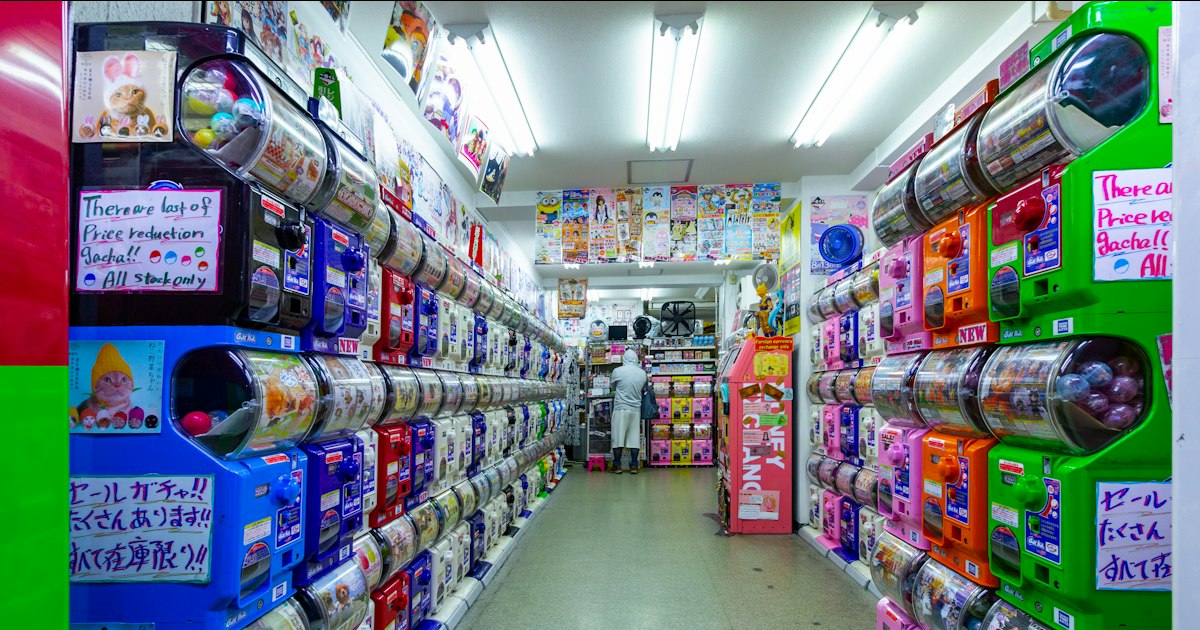
Outside Tokyo, Osaka’s long covered shopping streets are good hunting ground too — if you’re already walking Tenjinbashi-suji, Japan’s longest shopping arcade, keep an eye out for hobby and variety shops tucked between the food stalls, since toy retailers along the arcade often carry regional nanoblock stock you won’t see in Tokyo chains. If collecting small, portable Japanese character goods is your thing generally, it’s worth comparing notes with how enthusiasts approach collecting phone straps from gacha machines and character shops — the hunting instinct and the shops that carry both overlap more than you’d expect.
Hunting Down Limited and Regional-Exclusive Sets
The real draw for serious shoppers is the region-limited sets. Many of Japan’s most-visited landmarks sell a nanoblock replica of themselves as an official souvenir, available only at that site’s own gift shop — a Tokyo Tower set sold inside the Tokyo Tower complex, a Himeji Castle version sold at Himeji, an Osaka Castle set sold on the castle grounds. These aren’t stocked at general toy retailers, so if you want the Osaka Castle edition, you buy it at Osaka Castle, full stop. Airport duty-free shops at Narita and Haneda also carry their own exclusive travel-themed sets from time to time, aimed squarely at departing tourists. Because these exclusives are tied to physical locations and often produced in smaller runs than the mainline catalog, they’re the sets most likely to disappear from shelves and show up later at a markup in secondhand shops.
Best Timing for New Releases and Seasonal Exclusives
Kawada refreshes the catalog several times a year, with new character collaborations and seasonal sets appearing around spring (cherry blossom and graduation themes), summer, and especially late autumn into December ahead of Christmas and New Year gift-buying. New Year is worth watching closely: Kawada regularly releases a small zodiac-animal nanoblock figure tied to the coming year’s sign, in the same spirit as the broader wave of eto zodiac-themed New Year goods sold across Japan every December and January. If you’re traveling in that window, check shop shelves in late December — these zodiac figures sell through quickly once the new year starts and aren’t usually restocked.
Common Mistakes to Avoid
The biggest trap is mistaking a cheap “micro block” clone for genuine nanoblock. ¥100 shops and some souvenir stalls sell lookalike sets from unrelated manufacturers; they’re compatible-ish at best and often missing the precision that makes nanoblock’s detail work. Check for the Kawada name and the nanoblock logo on the box before buying, especially if you’re paying landmark-exclusive prices. Second, don’t buy opened or loose secondhand sets without checking a piece count or parts list — missing a handful of 4mm pieces from a 1,000+ piece Deluxe set is a real possibility at secondhand shops, and replacement pieces aren’t something you can easily source once you’re home. Third, remember the age-12-plus warning is there for a reason: these are not stocking-stuffer toys for toddlers traveling with you.
Bringing Your Nanoblock Haul Home
Unbuilt sets pack flat and survive a suitcase fine — the boxes are sturdy and the pieces are sealed in bags, so there’s no customs or liquid-restriction issue to worry about. If you’ve already built something before your flight, it’s worth disassembling architectural models back into a bag of pieces for the trip home rather than risking a Deluxe-tier build getting crushed in checked luggage; nanoblock connections are snug but not indestructible, and losing a painstakingly placed roof section to turbulence is a genuinely common disappointment among buyers who build on the road.