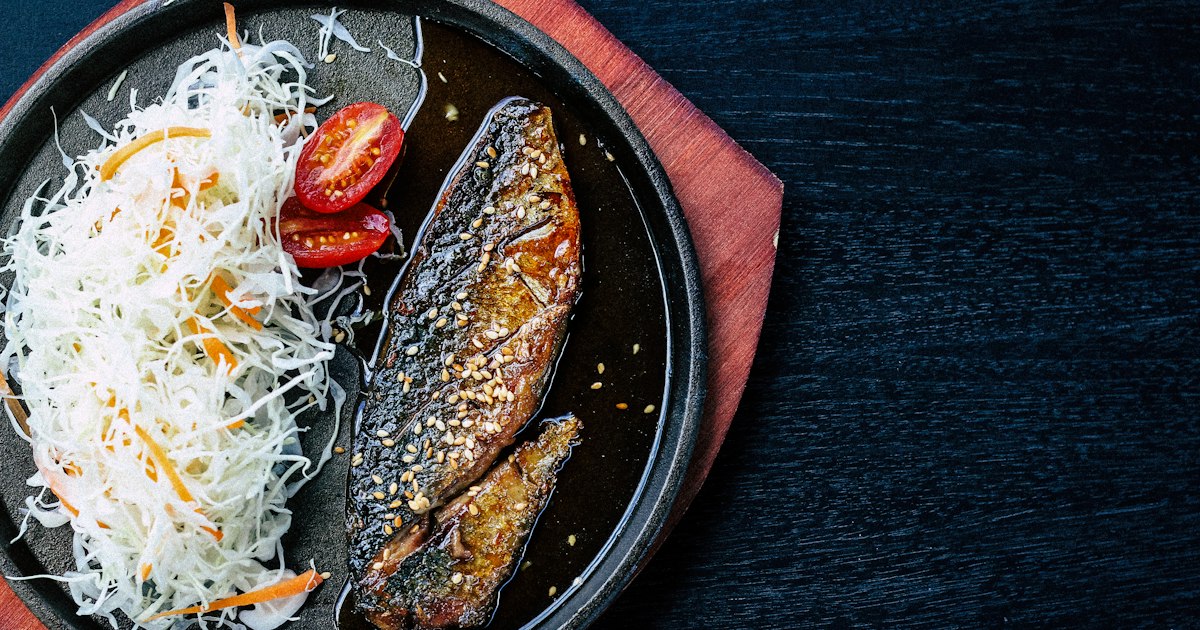
Photo by Vinn Koonyosying on Unsplash
If your idea of teriyaki comes from a takeout container — thick, glossy, studded with sesame seeds and a little too sweet — you’re not wrong, exactly. You’re just thinking of a different dish. “Teriyaki” in Japan is a cooking technique, not a sauce flavor, and the food that comes out of it looks and tastes noticeably different from the bottled version that conquered supermarkets abroad. Here’s what’s actually going on, and where to taste the real thing.
What “Teriyaki” Actually Means in Japanese Cooking
The word breaks down simply: teri means “shine” or “luster,” and yaki means “grilled” or “pan-seared.” Put together, teriyaki describes a method — grilling or pan-frying something while repeatedly brushing on a thin soy-mirin-sake glaze so the surface builds up a lacquered sheen as it cooks. It’s the technique, not a fixed recipe, and the classic home version uses only four ingredients: soy sauce, mirin, sake, and a little sugar, simmered down and basted on in layers rather than poured over a marinated piece of meat all at once.
That basting process matters. Because the glaze is built in thin coats during cooking rather than soaked in beforehand, the result is less sweet, less sticky, and noticeably thinner than what most people picture. There’s no garlic, ginger, sesame oil, or pineapple in the traditional version — those are additions that entered the dish later, mostly outside Japan.
The Classic Dish: Why Fish, Not Chicken, Comes First
Ask a Japanese home cook what “teriyaki” means to them, and many will say buri — yellowtail — before they say chicken. Buri teriyaki is a staple of home cooking and teishoku (set-meal) restaurants, especially in winter. Chicken teriyaki (tori no teriyaki) exists too, mostly as a bento or home-dinner item, but it’s rarely the headline dish at a restaurant the way it is on Western Japanese menus. Mackerel (saba) and amberjack relatives like hamachi also show up teriyaki-style, grilled fish being the more natural partner for a glaze that’s meant to highlight rather than smother. If you’re curious about how Japan treats other non-salmon, non-tuna fish, the breakdown in Hirame and Kanpachi: Japan’s White-Fish Sashimi Pairings Beyond Tuna and Salmon covers kanpachi, a close cousin of buri, and is a useful companion read if you want to understand the fish side of Japanese cooking beyond the usual suspects.
Timing matters for buri specifically. Yellowtail caught in winter — known as kan-buri, roughly December through February — carries far more fat than the same fish in summer, and that fat is what makes teriyaki buri worth seeking out. Toyama Bay and the Noto Peninsula are famous for it, but you’ll find excellent kan-buri teishoku in Tokyo and Osaka during these months too, no special trip required.
How the Sauce Compares to Bottled “Teriyaki” Abroad
The commercial teriyaki sauce sold overseas — including Kikkoman’s own export “teriyaki marinade,” ironically made by the same company that dominates the Japanese market — is formulated differently on purpose. It typically includes garlic, ginger, sesame oil, sometimes pineapple juice, and a cornstarch or starch thickener to make it cling as a marinade rather than a basting glaze. It’s built to be poured over raw meat before cooking, which Japanese teriyaki traditionally isn’t. The pineapple-and-garlic lineage most Americans know actually traces more directly to Hawaiian and Japanese-American cooking than to mainland Japan, which is a related but genuinely separate culinary branch.
In Japan, bottled teriyaki “tare” (sauce) sold in supermarkets — brands like Kikkoman, Yamasa, and Ebara — stays closer to the classic four-ingredient formula: soy, mirin, sake or sweet cooking sake, and sugar. These run about 300–500 JPY a bottle and are a genuinely useful, lightweight souvenir if you want to cook the real thing once you’re home, since they don’t need refrigeration until opened and pack flat in a suitcase.
Where and When to Eat Real Teriyaki in Japan
The easiest place to try it isn’t a specialty restaurant — it’s a teishoku chain. Ootoya and Yayoiken, both common across Tokyo and other major cities, serve rotating set meals that regularly include saba or buri teriyaki with rice, miso soup, and a small side, typically 900–1,400 JPY. Hours vary by branch but most run roughly 11:00–23:00. A step down in price, convenience stores sell teriyaki chicken onigiri and bento boxes for 150–500 JPY, and they’re genuinely good for a quick, cheap introduction to the flavor profile — milder and less syrupy than you’d expect.
For something with a bit more novelty, McDonald’s Japan has sold a Teriyaki McBurger since 1991 for around 490 JPY; it’s become enough of a fixture that trying one is a reasonable, if silly, way to taste how differently Japan calibrates “teriyaki” even in fast food. At the splurge end, a sit-down Japanese restaurant serving premium kan-buri teriyaki or a wagyu teriyaki steak set will run 3,000–8,000 JPY, and is worth it in winter specifically for the fat content of the fish.
If you’re eating at an izakaya with a group and ordering a few teriyaki dishes to share alongside other plates, it helps to know how the bill actually gets settled — see Warikan: How Bill-Splitting Actually Works at Japanese Restaurants and Izakaya before the check arrives.
Common Mistakes Visitors Make
- Expecting chicken. Scanning a menu for “teriyaki chicken” and not finding it is normal — look for fish first, or ask for tori no teriyaki specifically if that’s what you want.
- Expecting it very sweet. Home-style and restaurant teriyaki in Japan is noticeably less sugary than the takeout version abroad. If you want the sweeter profile you’re used to, some casual family restaurants (famiresu) do lean sweeter — it’s not universal, but it’s a reasonable fallback.
- Assuming it’s always grilled. Teriyaki can be pan-fried in a skillet at home just as often as grilled, which is part of why the glaze stays thin rather than caramelized and sticky.
- Skipping winter. If buri teriyaki is on your list, summer-caught yellowtail is leaner and noticeably less impressive than the same dish made with kan-buri in December through February.
Bringing Teriyaki Home: Sauces Worth Buying
Supermarkets (not just souvenir shops) are the right place to buy teriyaki tare — a basic supermarket like Aeon or a local Seiyu will have a better selection and better prices than an airport. Look for bottles labeled simply 照り焼きのたれ (teriyaki no tare); avoid ones with added garlic or sesame listed high in the ingredients if you want the closer-to-traditional flavor. Pair it with a bag of Japanese short-grain rice or, if you’re set up for home cooking back home, consider whether a Japanese rice cooker is worth the shipping hassle — Domestic vs Export Rice Cookers in Japan: Which One Should You Actually Ship Home? walks through that decision in more detail.
Either way, the gap between the teriyaki you’ll eat in Japan and the one you grew up with isn’t a quality difference — it’s just two dishes that share a name and a soy-sauce base but took different paths. Tasting the original, thinner, fish-forward version is one of the easier small rewards of an otherwise packed Japan itinerary.