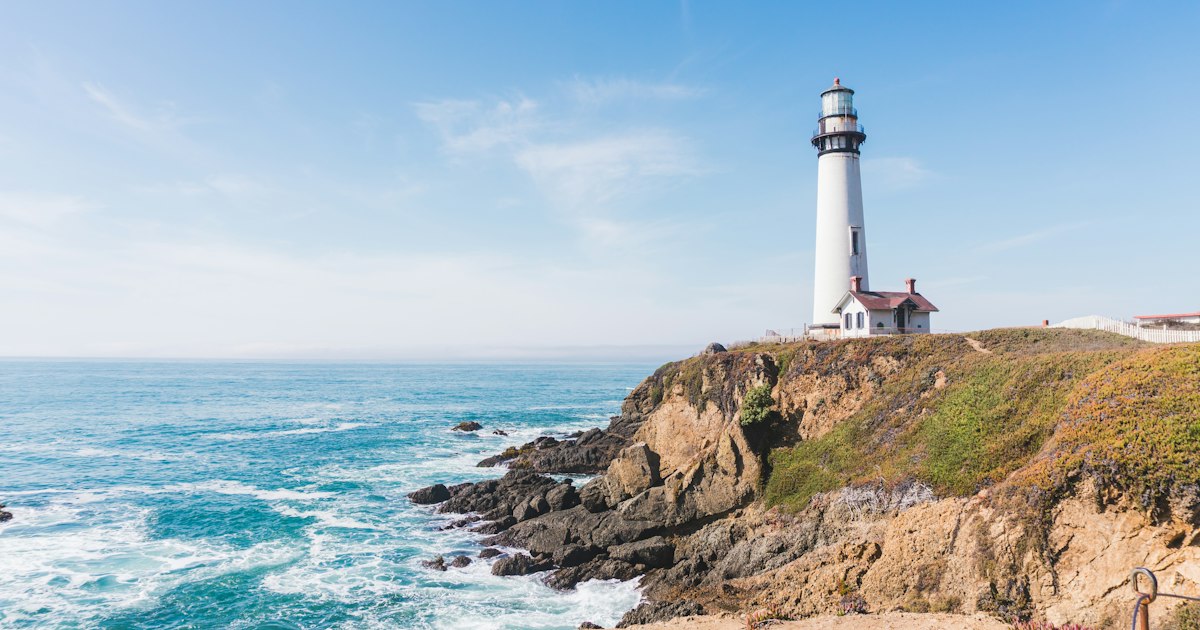
Photo by Courtney Corlew on Unsplash
Cape Ashizuri sits at the very bottom of Shikoku, a wind-scoured finger of rock jutting into the Pacific where the Kuroshio Current keeps the water a deep, warm blue even in winter. It isn’t a convenient stop you stumble onto between bigger sights — getting there from Kochi city takes real commitment, several hours each way — which is exactly why it still feels undeveloped and quiet compared to Shikoku’s better-known pilgrimage towns. If you want cliffs, a working lighthouse, a temple tied to one of Japan’s most famous castaways, and almost no other tourists, this is the detour worth planning around.
Where Cape Ashizuri Is and Why It’s Worth the Trip
Cape Ashizuri (足摺岬) is the southernmost point of Shikoku, in Tosashimizu City at the far southwestern edge of Kochi Prefecture. The draw isn’t one single landmark but the combination: a 1914 lighthouse standing on sheer cliffs above the open Pacific, subtropical vegetation along a cliffside walking path, and Kongofuku-ji, the 38th temple of the Shikoku 88-temple pilgrimage, tucked into the forest just behind the point. Because the cape faces open ocean with nothing between it and the horizon, it’s also promoted locally as a good spot for hatsuhinode — the first sunrise of the New Year — though that’s a cold, early, and crowded-by-local-standards exception to the usual calm.
Getting There from Kochi
There’s no direct train to the cape itself, so the trip happens in two legs. From Kochi Station, take the JR Shikoku limited express “Ashizuri” (あしずり), which runs along the Dosan Line and Tosa Kuroshio Railway down to Nakamura Station — roughly 1 hour 20 minutes to 1 hour 30 minutes, with a one-way fare in the ballpark of ¥4,000–5,000 including the limited express surcharge. From Nakamura Station, transfer to a Kochi Seinan Kotsu bus bound for Ashizuri; the ride is around 70–90 minutes and costs roughly ¥1,500–2,000 one way. All told, budget at least 3 hours of travel each way from central Kochi.
Buses from Nakamura to the cape run only a handful of times a day, so check the schedule before you leave Kochi — not after you arrive in Nakamura. Missing the last bus back means an expensive taxi or an unplanned night in a town with limited lodging. If you’re traveling with others and want flexibility, renting a car in Kochi and driving down via Route 56 and Route 321 is the better option; it’s a scenic coastal drive of about 2.5–3 hours and lets you stop at fishing villages along the way without working around bus timetables.
What to See at the Cape
The lighthouse (Ashizuri Misaki Toudai) is the visual anchor — a tall white tower on black volcanic cliffs, still operating as a navigational aid. Unlike Choshi’s Inubosaki Lighthouse, which visitors can climb, Ashizuri’s tower isn’t open for entry, so the experience here is about the cliff walk and views rather than climbing stairs.
A short walking path (the Ashizuri Promenade) loops along the cliffs through dense, almost tropical-feeling forest — a reminder of how far south and how warm this stretch of coast runs year-round. Partway along sits a statue of Nakahama Manjiro, better known as John Manjiro, the local fisherman rescued by an American whaling ship in 1841 after being shipwrecked; he later became one of the first Japanese people to live in the United States and played a key role as an interpreter when Japan reopened to the West. The statue faces the Pacific he was swept into as a teenager.
Just behind the point is Kongofuku-ji, founded in 822 and traditionally attributed to the monk Kukai (Kobo Daishi). Like most temples on the Shikoku pilgrimage route, the grounds are free to enter and generally accessible from early morning to around 5pm; the nokyo stamp office keeping similar hours. Even if you’re not walking the pilgrimage, it’s worth fifteen minutes to see the garden and bell tower before heading back to the cliffs.
If you have extra time and your own transport, the Tatsukushi area a short drive north has glass-bottom boat tours over coral formations kept alive by the same warm current — a genuinely unusual sight this far from Okinawa, for roughly ¥2,000–2,500 per adult.
Best Time to Visit
Spring (April–May) and autumn (October–November) bring the most comfortable hiking weather along the cliff path. Summer is hot and humid but still workable if you don’t mind heat; avoid late August through September when typhoons regularly track along this exposed Pacific coast and can shut down bus services entirely. Winter is mild by Japanese standards thanks to the Kuroshio Current, and if you’re chasing the first sunrise of the year, this is one of the more accessible southern-tip viewpoints in the country — just expect the only hotel in town to be booked out well in advance for December 31st.
Where to Stay and Eat
Because the round trip eats most of a day, an overnight stay turns Cape Ashizuri from a rushed errand into an actual visit, and Ashizuri Onsen’s small hot-spring district right by the cape makes that easy.
- Budget: Minshuku and simple guesthouses near the cape run roughly ¥6,000–9,000 per person including breakfast — basic but typically include a small shared onsen bath.
- Mid-range: Hotels like the Ashizuri area’s onsen hotels charge around ¥12,000–20,000 per person with dinner included, usually featuring local seafood such as katsuo (bonito) tataki, a Kochi specialty.
- Splurge: Pair the trip with a rental car and book an ocean-view room at one of the nicer ryokan in the onsen town, often ¥25,000 and up per person, for private bath access and a sunrise view without leaving your room.
If you’re dining as a group at a local izakaya on the way down or back through Kochi city, it’s worth knowing how warikan bill-splitting actually works in Japan before the check arrives.
Common Mistakes to Avoid
- Treating it as a quick side trip: With roughly 6+ hours of round-trip travel from Kochi city, this isn’t a stop you squeeze in alongside other Kochi sightseeing in one day unless that’s your entire itinerary.
- Not checking bus frequency: Services between Nakamura and the cape run only a few times daily. Confirm the return bus time before you leave Nakamura, not after you’ve already reached the point.
- Assuming cards work everywhere: Rural minshuku, small restaurants, and some bus fares are cash-only. Carry enough yen before you leave Kochi city.
- Ignoring the weather: The cape is fully exposed to the open Pacific, so wind and rain here can be far stronger than in sheltered Kochi city, especially during typhoon season.
Mobile coverage thins out considerably once you’re past Nakamura, so sort out your connectivity — whether that’s pocket WiFi or a data SIM — before you leave a city with reliable signal, and if you’re traveling without travel insurance, it’s worth understanding in advance what a hospital visit in Japan actually costs, given how far the nearest major hospital is from the cape itself.
For travelers who enjoyed pairing a hot spring with scenery closer to a big city, Cape Ashizuri’s onsen town has a similar appeal to spots like Jozankei Onsen near Sapporo — just with a much longer, much more rewarding journey to get there.