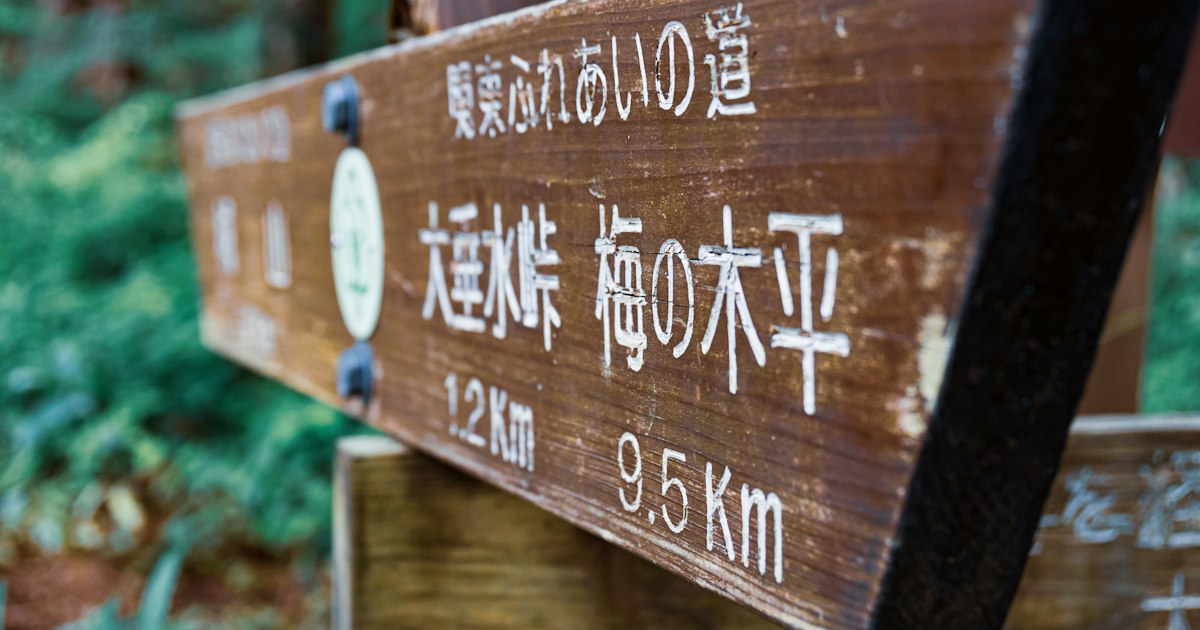
Photo by Se. Tsuchiya on Unsplash
Japan has tens of thousands of active geocaches hidden in city parks, shrine approach paths, coastal lookouts and deep mountain trails, making it one of the more rewarding countries in Asia for the hobby. If you already geocache at home, your account and app work exactly the same way here — you just need to know where locals actually hide things, which spots are off-limits for cultural or security reasons, and how to handle the logistics of GPS and data while traveling. Here’s what first-time geocachers in Japan need to know before heading out.
What Geocaching in Japan Actually Involves
Geocaching works the same way it does anywhere: cache owners hide a small waterproof container (often called a “nano” if it’s coin-sized, or a larger ammo-can-style box) at GPS coordinates, log the find on Geocaching.com or the official app, and other players navigate to the spot, sign the paper logbook inside, and sometimes trade a small trinket. Japan’s density of caches is highest around Tokyo, Osaka, Kyoto and Fukuoka, but rural prefectures have plenty too, often placed by local players along scenic trails, riverbanks and small shrines rather than famous tourist landmarks. Many caches reward you with a view or a quiet corner of a city you’d never have found otherwise — that’s generally the point, and it’s part of why the hobby pairs well with other slow, outdoor ways of seeing Japan, like disc golf or guided kayaking on rivers and mangrove coastlines.
Getting Started: Apps, Accounts and Gear
Download the official Geocaching app (iOS/Android) and create a free Basic account — this is enough to see nearby traditional caches on the map and log finds. A Premium membership (roughly $29.99/year, about ¥4,500 at current rates) unlocks puzzle caches, bonus caches, and better filtering by difficulty and terrain, which is worth it if you’re planning more than a day or two of searching. You’ll also want a Japanese data connection: an airport-rental pocket Wi-Fi (around ¥800–1,200/day) or a prepaid eSIM (from roughly ¥2,000 for a week) keeps the GPS and map tiles working outside Wi-Fi range. Bring a pen for logbooks, a small bag of swap trinkets if you want to trade, hand sanitizer, and — for anything in forested hills — insect repellent and, in Hokkaido or Tohoku backcountry, a bear bell, since several well-reviewed caches sit on trails that double as bear habitat in warmer months.
Best Regions and Specific Spots to Try
Tokyo’s large parks (Yoyogi, Ueno, Showa Kinen in Tachikawa) have clusters of easy urban caches reachable by train, though access is limited to each park’s daytime opening hours, typically from early morning until dusk or around 9–10pm in central Tokyo parks. Mount Takao, 50 minutes from Shinjuku by the Keio Line, has caches scattered along its hiking trails and near the cable car station, making it a good half-day trip that combines geocaching with a proper mountain view. Kyoto and Nara have caches tucked along temple approach paths (not inside temple grounds themselves — more on that below). For something more ambitious, remote caches on islands like those near Hateruma Island, Japan’s southernmost inhabited point, or in northern landscapes around Lake Towada in Aomori, give dedicated players a genuine “I went out of my way for this” trophy find. Okinawa and the smaller Yaeyama islands also have a growing number of caches along beaches and mangrove boardwalks.
Etiquette and Legal Pitfalls Unique to Japan
Japan’s security culture around unattended objects is stricter than in most Western countries, and this matters directly for geocaching. Never place or search for caches near train station coin lockers, platform benches, or station entrances — an unfamiliar container found by staff or police can trigger a full security response, including platform closures, and several real caches have been removed by local Geocaching reviewers for exactly this reason. Stick to parks, trailheads, riverbanks and rural roadside spots instead. On shrine and temple grounds, assume the inner precincts are off-limits; caches that exist near religious sites are almost always placed on the public approach path (sando) or adjacent public land, not within the gates, and you should never hide anything on private or religious property without clear permission. Also be discreet around “muggles” (non-geocachers) — rummaging visibly near a quiet residential wall or a war memorial draws attention fast in a country where public space is kept very tidy and watched.
Best Season and Timing
Spring (April–May) and autumn (October–November) are the most comfortable for trail and mountain caches, with mild temperatures and good visibility. Summer (July–August) brings heat, humidity and, in Honshu, a real risk of heatstroke on exposed trails — stick to shaded urban park caches or go early morning. Winter is fine for city caches but many mountain and Tohoku/Hokkaido caches are buried under snow from December through March and effectively inaccessible until spring thaw, so check recent log entries on the app before planning a trip around a specific rural cache.
Budget vs Premium: What It Actually Costs
On a budget, a Basic free account and a day of train travel (roughly ¥200–500 in local fares) is enough to find a handful of urban caches with zero added cost. A mid-range trip adds Premium membership (~¥4,500/year) plus a rental pocket Wi-Fi (~¥800–1,200/day) for reliable navigation outside the city, opening up puzzle caches and better route planning. For a splurge, combine geocaching with a multi-day remote itinerary — flights and ferries to islands like Hateruma, or a guided river/mangrove paddle that passes known cache coordinates — and pick up a few Japan-exclusive trackable geocoins along the way (generally ¥1,000–3,000 each from hobby shops or event meetups), which make a genuinely original souvenir for collectors back home, in the same spirit as Japan’s other niche collectible hobbies.
Common Mistakes First-Timers Make
The most frequent error is searching too close to transit infrastructure — move away from stations and coin lockers entirely. Second is not downloading offline maps before heading into rural or mountainous areas, where data coverage drops fast; cache your route in the app beforehand. Third is forgetting that many caches require re-hiding exactly as found, including re-sealing waterproof containers — Japan’s humidity in summer ruins paper logbooks quickly if a container is left open or poorly sealed. Fourth, don’t assume a cache near a famous landmark means you can search on landmark grounds; read the cache description’s access notes carefully, since Japanese cache owners are usually precise about boundaries. Finally, pack out everything you bring, including any trade items you decide not to leave — Japan has very few public trash cans, and leaving litter near a cache site is the fastest way to get it reported and removed by local reviewers.