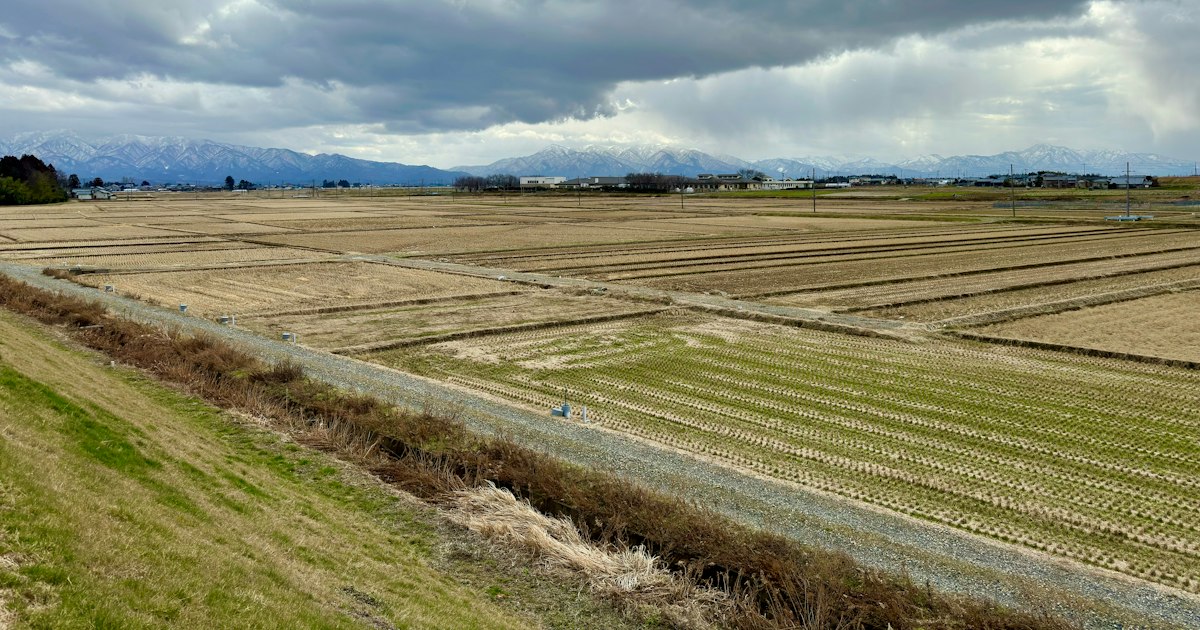
Photo by Eric Schabel on Unsplash
Ask someone from Niigata what their hometown’s soul food is, and most won’t say rice or sake — they’ll say noppe. This thick, glossy stew of root vegetables, mushrooms, and often a little seafood shows up at New Year’s tables, summer festivals, and funerals alike, which tells you something about how deeply it’s woven into local life. It rarely appears on English menus and almost never makes it onto a “top Niigata foods” listicle written for tourists, which makes it one of the more rewarding regional dishes to seek out on purpose.
What Is Noppe, Exactly?
Noppe (also written noppei-jiru elsewhere in Japan) is a simmered vegetable stew built on a dashi base, typically containing satoimo (taro root), carrot, daikon, gobo (burdock root), konnyaku, shiitake mushroom, and chikuwa (tube-shaped fish cake). Niigata City versions often add salmon or a scattering of ikura (salmon roe) on top, since the Shinano and Agano rivers that run through the prefecture have historically supplied both. The name comes from “nopperi,” meaning smooth or flat — a nod to the stew’s signature texture. Unlike most nimono (simmered dishes), noppe isn’t thickened with added starch; the natural starch released from the taro as it simmers gives the broth its light, slightly sticky sheen. Done well, it should cling lightly to the vegetables rather than sit as a thin broth around them.
Why It’s Served Cold (and Why That’s Not a Mistake)
This trips up a lot of first-time visitors. Elsewhere in Japan, a vegetable stew like this would be served piping hot. In Niigata, noppe is frequently served chilled or at room temperature, especially in summer and during the New Year holidays, when households make a large pot and eat from it over several days as part of osechi. If a bowl arrives lukewarm or cold at a restaurant, it’s almost certainly intentional, not a kitchen mistake — the vegetables firm up slightly and the dashi turns more gelatinous as it cools, which locals consider part of the appeal rather than a flaw.
Where to Try Noppe in Niigata City
You don’t need a reservation or a special trip to find noppe — it’s a standard item at home-style restaurants (shokudo) and izakaya around Niigata Station and the Furumachi entertainment district, Niigata City’s traditional nightlife quarter a short taxi or bus ride from the station. Expect noppe to appear as a side dish (around ¥500–900) on a teishoku set menu, or as one of several small plates at an izakaya ordering à la carte, where it usually runs ¥600–1,000. A full teishoku set that includes noppe alongside grilled fish and rice typically costs ¥1,200–2,000.
Izakaya in Furumachi generally open around 17:00 and run until 23:00 or midnight; shokudo near the station tend to serve lunch from 11:00–14:00 and dinner from 17:00–21:00, with many closing one day a week (often Sunday or Monday — check before you go, since hours vary shop to shop). CoCoLo, the shopping and dining complex built into Niigata Station itself, is a reliable fallback if you’re short on time between trains, with several restaurants serving regional Niigata cuisine including noppe.
Budget travelers can also look for noppe at food stalls during local festivals (matsuri), where it’s sometimes ladled into disposable cups for ¥300–500 — a cheap, filling way to try it without committing to a sit-down meal.
Sado Island’s Seafood-Rich Version
If you’re extending your trip to Sado Island, a roughly one-hour jetfoil ride from Niigata Port, look for the local variation, which leans harder on seafood — scallops and ikura show up more generously than on the mainland. Small minshuku (family-run guesthouses) and local diners near Ryotsu port serve home-style set meals that include it, particularly around New Year and summer festival season. It’s a reasonable pairing with a Sado day trip if you’re already exploring the island’s temples and gold-mine history and want a local lunch stop.
Best Time of Year to Order It
Noppe is available at local restaurants year-round, but it’s most prominent — and most likely to be made with fresh seasonal vegetables rather than frozen or preserved ones — during two windows: New Year (late December through early January), when it’s part of osechi spreads, and summer through early autumn, when it’s served cold as a refreshing side at festivals and home gatherings. If you’re visiting in winter outside the New Year period, you’re more likely to get a warm bowl with heartier root vegetables; in summer, expect the chilled version with a lighter mix. Neither is more “authentic” than the other — they’re just seasonal variants of the same dish.
Common Mistakes Visitors Make
- Expecting it hot. As noted above, a cold or room-temperature bowl is normal, not a service error.
- Assuming it’s identical everywhere in Niigata. Coastal Niigata City versions use more seafood; inland and mountain-adjacent areas sometimes swap in foraged greens. If you’ve already read about sansai, Japan’s foraged mountain vegetables, that same spring-foraging tradition occasionally turns up in mountain-village noppe recipes, giving the stew a noticeably earthier, greener character than the city version.
- Confusing it with noppei-jiru from other prefectures. Nagano, Yamagata, and parts of Akita all have their own noppei-jiru, generally thinner and more broth-forward. Niigata’s noppe is distinguished by its thicker, more stew-like consistency and the taro-derived sheen.
- Skipping it because it looks plain. It’s a quiet, unglamorous dish next to flashier regional specialties, but it’s one of the most genuinely home-cooked tastes you’ll find on a restaurant menu in Niigata. If you enjoy that style of simmered, savory-sweet home cooking, it sits in similar territory to saba no misoni, Japan’s miso-simmered mackerel, or the simple, warming suiton dumpling soup from Gunma and Tochigi — both worth seeking out if noppe turns out to be your kind of comfort food.
Getting to Niigata
Niigata City is a straightforward day trip or overnight stop from Tokyo via the Joetsu Shinkansen, which takes about two hours from Tokyo Station and costs roughly ¥10,000–11,000 one-way for an unreserved seat (less with a rail pass that covers the route). Niigata Airport also has domestic flights from Osaka, Sapporo, and a handful of other cities, plus seasonal international routes. Once in the city, the Furumachi district and most noppe-serving restaurants are reachable by local bus or a short taxi ride (around ¥1,000–1,500) from Niigata Station. For Sado Island, ferries and jetfoils depart from Niigata Port, roughly a 10-minute taxi ride from the station.