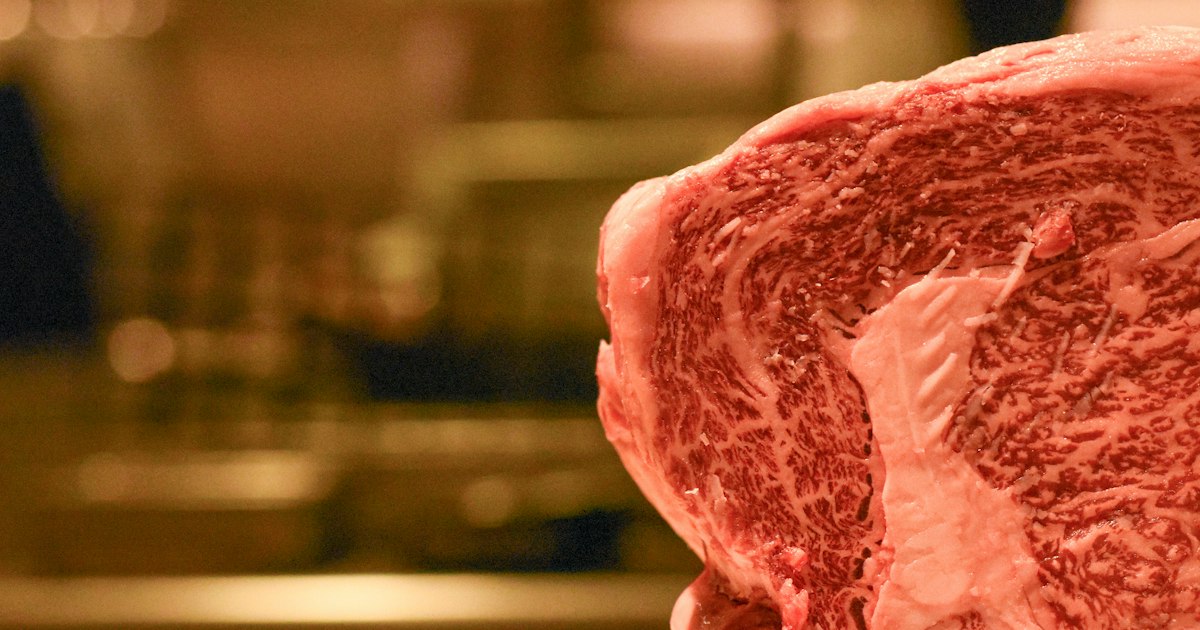
Photo by blackieshoot on Unsplash
Every visitor who tastes A5 wagyu at a Kyoto yakiniku counter or digs into a bowl of glossy, charcoal-grilled unagi in Nagoya has the same thought: “I need to bring this home.” Japan’s domestic cold-chain shipping network is genuinely excellent — you can send chilled or frozen food across the country overnight without a cooler box in sight. The problem isn’t Japan’s logistics. It’s your home country’s customs agency, and almost nobody figures that out until they’re standing at a department store food hall with a credit card in hand.
The Core Problem: Animal Products and International Customs
Japan’s cold-chain couriers — Yamato Transport’s “Cool Takkyubin” and Japan Post’s chilled/frozen Yu-Pack service — are built for domestic delivery. They’ll move a sealed box of raw wagyu from a butcher in Matsusaka to a hotel in Tokyo at a controlled temperature, arriving the next day. What neither service does is clear customs on your behalf when the package crosses an international border, and that’s where fresh meat and some seafood run into trouble.
Most major destinations — the United States, the EU, the UK, Australia, Canada, and South Korea among them — prohibit or heavily restrict the personal, non-commercial import of fresh, frozen, or chilled meat, including beef, regardless of where it was purchased. This isn’t a Japan-specific rule; it applies to meat from almost every country, tied to animal disease controls (foot-and-mouth disease, BSE, and similar concerns) rather than anything about quality or safety. In practice, this means raw wagyu — however beautifully it’s vacuum-packed — is not something you can legally mail or carry home as a tourist to any of those destinations. There is no “small personal quantity” exemption for meat in most countries.
Unagi (eel) sits in a different regulatory bucket because it’s seafood, not meat, and seafood is typically overseen by food-safety agencies (like the FDA in the US) rather than agricultural ones. Many countries allow personal import of a reasonable, properly declared quantity of commercially packaged seafood. But “many countries allow it” is not the same as “every country allows it,” and the rules change without much warning — so this is genuinely a case where you should check your own country’s customs or biosecurity website before you buy, not after.
What You Can Realistically Bring or Ship Home
Given those restrictions, the honest answer for most travelers heading to the US, EU, UK, Australia, or similar markets is: not the fresh stuff. What does travel well, legally and logistically:
- Retort-pouch or vacuum-sealed, shelf-stable unagi kabayaki — sold at department store food halls and airport shops, cooked and sealed so it needs no refrigeration. Still an animal product, so declare it on your customs form, but it’s far less likely to be confiscated than raw fish or meat and survives a 10+ hour flight without ice.
- Dried, cured, or powdered wagyu products — beef jerky–style snacks, wagyu tallow, or seasoning blends are processed goods that face a lower bar than raw meat, though some destinations still restrict any beef-derived product. Check before buying if this matters to your trip.
- Non-animal souvenirs that scratch the same itch — a tin of high-grade matcha, bonito flakes, or a box of Akafuku mochi won’t trigger meat or seafood restrictions at all, which is why so many travelers default to these instead of fighting customs over fish.
If your destination is one of the handful of markets with more open meat-import rules (parts of Asia, for instance), a specialist wagyu retailer may offer international courier shipping of frozen beef with the correct export paperwork — but this is arranged by the shop as a commercial export, not something you can replicate yourself by dropping a package at a convenience store counter.
Japan’s Domestic Cold-Chain Options — and When They’re Actually Useful
Where Yamato’s Cool Takkyubin and Japan Post’s chilled Yu-Pack genuinely shine is inside Japan. If you buy wagyu at a regional specialty shop early in your trip and don’t want to carry a cooler bag for the next five days, you can ship it ahead, chilled or frozen, to your hotel in Tokyo or Osaka to pick up right before you fly home — or send it to a Japan-based friend or relative as a gift. Cool Takkyubin adds roughly ¥200–350 to a standard parcel fee depending on box size and distance, with a typical 60-size box running somewhere in the ¥1,000–2,200 range domestically before the cold surcharge; Japan Post’s chilled/frozen Yu-Pack is priced similarly. Both guarantee next-day delivery to most of the country and let you choose a delivery time window, which matters if you’re shipping to a hotel that can only hold refrigerated items for a short period.
This domestic cold-chain trick is especially handy if you’ve been shopping across multiple regions, similar in spirit to the logistics question covered in Shipping Antique Furniture and Large Purchases Home from Japan — the general lesson there (figure out the domestic leg before you worry about the international one) applies just as much to a box of eel as it does to a lacquer cabinet.
If You’re Carrying It Yourself: Dry Ice and Checked Luggage
Some travelers try to carry frozen wagyu or unagi home in checked luggage packed with dry ice. This is allowed by most airlines, including ANA and JAL, but within strict limits: typically up to 2.5 kg of dry ice per passenger, in packaging that allows carbon dioxide gas to vent (never sealed airtight), and declared to check-in staff. Vacuum-sealed frozen food packed in an insulated box with dry ice can survive a long-haul flight, but you still face the same customs rule at your destination — a well-insulated bag doesn’t make raw meat legal to import. This method mainly solves the “keeping it cold for 12 hours” problem, not the “is this allowed in the country” problem.
Common Mistakes
- Assuming vacuum-sealed means customs-exempt. Sealed packaging prevents leaks, not legal problems — it has no bearing on whether a meat product is admissible.
- Checking only Japan’s export rules. Japan is generally happy to let you export food; the restriction almost always sits on the import side, at your destination’s border.
- Buying first, researching later. A5 wagyu isn’t cheap — a decent gift box easily runs ¥15,000–40,000 — so confirm your destination’s meat and seafood import rules on its official customs or biosecurity website before you spend the money, not while standing at the airport check-in counter.
- Forgetting the declaration form. Even permitted seafood items need to be declared; undeclared animal products are the single most common reason for confiscation and fines, far more than the product itself being restricted.
Where to Buy: Budget to Splurge
For a budget taste-of-Japan gift that travels without any customs headache, a box of shelf-stable bonito flakes or rice crackers (¥500–1,500) from any station kiosk is the safe default. At the mid-range, vacuum-sealed, shelf-stable unagi kabayaki from a department store depachika (¥2,000–4,000 for two servings) is the closest you’ll get to the real thing without refrigeration — worth comparing against curiosities like shiokara if you want to bring home something genuinely adventurous instead. For a splurge, A5 wagyu gift sets (¥15,000 and up) from a specialty butcher are worth buying to eat fresh in Japan or to ship domestically ahead to your last hotel — just go in knowing that, for most travelers flying to the US, Europe, or Australia, the beef itself is staying in Japan, and the memory is what’s coming home.