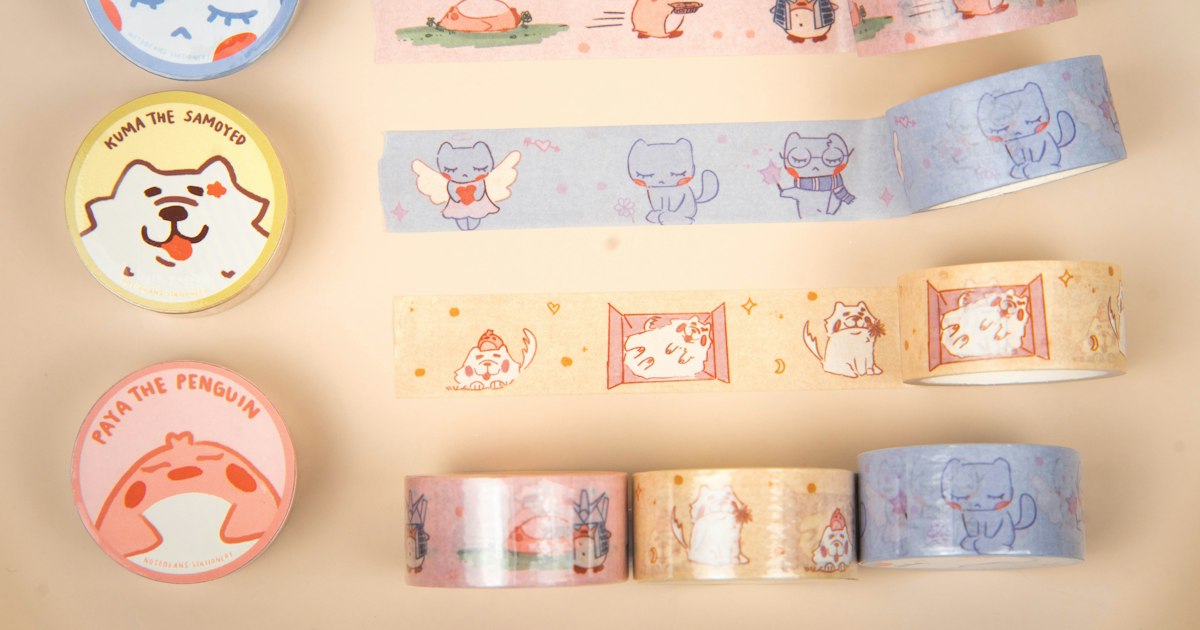
Photo by Madeline Liu on Unsplash
There is something particularly satisfying about writing a postcard home while sitting at a low table in a ryokan room, tea cooling beside you, rain or snow outside the window. It feels more honest than sending a photo from your phone. If you want the stationery to match the moment, Japan’s washi paper shops sell letter sets styled after the old hikyaku courier runners who once carried mail on foot between cities — and they make a far better souvenir, and a far better gift, than anything printed on glossy card stock. Here’s how to find the right set, what it should cost, and how to actually get it mailed before you check out.
What “Hikyaku-Style” Actually Means
Hikyaku were the relay runners of the Edo period who carried letters and small parcels along routes like the Tokaido, often covering the distance between Edo and Kyoto in a matter of days. Stationery sold under hikyaku branding today borrows the visual language of that era: letters folded into a tied packet rather than sealed in a Western-style envelope, twisted paper cord (mizuhiki or plain koyori) standing in for an envelope flap, and sometimes a wax-free wafer seal or a printed stamp motif referencing old courier way-stations. It’s decorative rather than historically literal, but it looks and feels distinct from anything you’ll find at a stationery aisle back home.
The paper itself is the real draw. Washi is made from the long fibers of kozo (mulberry), mitsumata, or gampi, which is why it doesn’t tear the way wood-pulp paper does when folded or when a brush pen drags across it. Regional papers worth knowing by name: Mino washi from Gifu (thin, strong, used for lanterns and letter paper alike), Echizen washi from Fukui (long associated with official and ceremonial paper), and Kurotani washi from Kyoto. Shops will often label which region a sheet comes from — it’s a reasonable proxy for quality.
Where to Buy It
In Kyoto, head to Morita Washi in Nakagyo-ku, a long-running paper specialist near Nijo Castle that sells loose sheets as well as made-up letter sets, with staff who are used to foreign visitors asking basic questions about which paper takes ink well. Kyoto’s Nishiki Market area and the lanes around Teramachi also have smaller paper and stationery stalls worth a browse if you’re already shopping there.
In Tokyo, two names come up repeatedly. Haibara in Nihonbashi has been selling washi since 1806 and carries some of the most refined (and most expensive) letter sets in the city, including boxed sets with matching envelopes and cord ties. Kyukyodo’s Ginza flagship, in business even longer as an incense and paper merchant, sells traditional letter paper alongside its incense and brushes — it’s a good one-stop if you’re also looking for a seal or ink stone. Itoya’s main Ginza store devotes multiple floors to paper goods and stocks a wide range of washi letter sets at friendlier prices than Haibara, which makes it a good first stop if you want to compare before committing to a splurge purchase. If your ryokan is near a well-off shopping district rather than a historic one, it’s worth checking local department store stationery floors too — areas like Futako-Tamagawa have boutiques that carry curated washi goods alongside other design items.
Budget, Mid-Range, and Splurge Picks
You don’t need to spend a fortune to get something genuinely nice:
- Budget (¥300–800): A small set of 5–10 washi postcards, or a simple letter pad with a handful of matching envelopes, from a department store stationery floor or a local craft shop. Daiso and other ¥100-yen shops also sell washi-pattern postcards and envelope sets for ¥100–300 each — the paper is thinner and machine-printed rather than hand-made, but the patterns are genuinely attractive, and the flagship stores stock a wider pattern range than small branches do, as covered in this comparison of Daiso’s Harajuku flagship versus a neighborhood branch.
- Mid-range (¥1,000–3,000): A proper hikyaku-style set with 5–10 sheets of washi letter paper, matching envelopes, and a twisted-paper closing cord, from Itoya or a regional craft fair. This is the sweet spot for most visitors — nice enough to feel special, light enough to carry several sets home.
- Splurge (¥4,000–15,000+): Boxed sets from Haibara or Kyukyodo using handmade washi, sometimes with woodblock-printed patterns or gold-leaf accents, packaged in a wooden or lacquer box. These make excellent gifts for someone back home who writes letters seriously, but they’re overkill for a quick postcard — save them for an actual letter.
Actually Getting It Mailed from the Ryokan
This is where plans go wrong. Many ryokan, especially smaller family-run ones in onsen towns, do not have a mailbox on site, and the front desk may or may not sell stamps. Ask at check-in whether the ryokan can post mail for you — a good number will, especially if you hand it over the evening before checkout, but don’t assume it. If they can’t, you have two realistic options: find the nearest post office (look for the stylized red “〒” symbol) or a red postbox on the street, which exist even in small towns near the station.
Post office hours in smaller towns are typically weekdays 9:00–17:00, with Saturday, Sunday, and holiday closures — larger central post offices in cities keep longer hours and some stay open on Saturdays for window service. Buy stamps there rather than guessing; postal rates are revised periodically (Japan Post raised domestic rates in October 2024), so confirm the current postcard rate at the counter or at japanpost.jp rather than relying on an old number. As a rule of thumb, international postcards run in the ¥70–100 range depending on destination zone, but treat that as a starting estimate, not gospel.
If you’re staying somewhere remote for a multi-stop itinerary, it’s worth writing and buying stamps for several postcards in one post office visit rather than hunting for a mailbox at every stop — especially if you’re using luggage forwarding between hotels and won’t be near your main bags to restock supplies.
Best Timing to Shop and Write
Washi shops are busiest — and best stocked with seasonal patterns — from late October through December, when shoppers are buying nengajo New Year’s cards, so this is actually a good window to find autumn-leaf or pine-and-crane motifs specific to the season. Spring (cherry blossom patterns) is the other peak design period. If you’re traveling in high summer, selection skews toward plainer stock since it’s the off-season for seasonal card buying. Whatever the season, write and seal your postcards the same day you buy the stationery if possible — washi absorbs humidity, and a set left loose in a backpack through a rainy day can curl or pick up moisture stains.
Common Mistakes to Avoid
- Using a fountain pen or felt-tip on thin, unsized washi. Some washi is lightly sized (treated to resist bleed) and some isn’t — ask the shop, or test on a scrap sheet, before writing on your only matching envelope.
- Assuming the ryokan has stamps. Confirm at check-in, and have a backup plan for a post office or postbox.
- Buying the splurge box for casual postcards. Save boxed Haibara or Kyukyodo sets for a real letter — a quick “having a great trip” note doesn’t need gold-leafed paper.
- Forgetting customs-friendly sizing. Oversized handmade washi envelopes sometimes exceed standard postcard/letter dimensions and get charged a higher rate — check size against the rate chart posted at the counter.
However you book the ryokan itself — whether through Rakuten Travel, Jalan, or Booking.com — budgeting an hour in a washi shop before you check in is a small addition to the itinerary that pays off the moment you sit down with tea and a blank sheet of handmade paper.