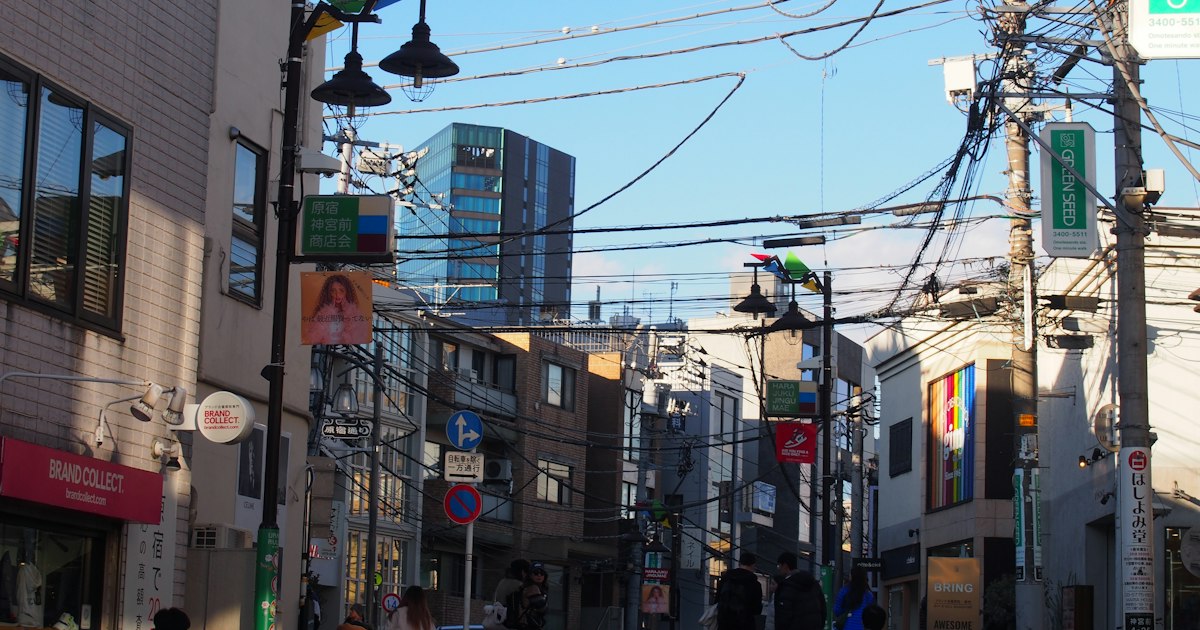
Photo by Kei Selma on Unsplash
Every Daiso looks the same from the doorway — red signage, narrow aisles, the promise that almost everything costs around 100 yen. But walk into the Harajuku flagship on Takeshita-dori and then into a small Daiso near your hotel a few days later, and you’ll notice the gap immediately: entire categories of merchandise exist in one and not the other. That’s not random. It comes down to square footage, foot traffic, and what each store’s buyers decide is worth the shelf space. Here’s how to shop Daiso strategically depending on which version of the store you’re standing in.
Why the Harajuku Store Is a Different Animal
The Harajuku Daiso sits right on Takeshita-dori, the pedestrian shopping street that runs from Harajuku Station toward Omotesando, and it spans multiple floors packed into a relatively narrow footprint. Because it’s one of the highest-traffic Daiso locations in the country — hit by school groups, international tourists, and local teenagers all in the same afternoon — it carries a deeper and wider product range than almost any neighborhood branch. Expect dedicated sections for cosmetics and skincare, a large stationery floor with seasonal and character-branded goods (Sanrio, Disney, seasonal anime tie-ins), travel-size toiletries sized for carry-on luggage, and novelty snack displays that rotate often. Smaller suburban stores simply don’t have the floor space to stock all of that at once, so they carry the core essentials — cleaning supplies, basic kitchenware, storage boxes, stationery basics — and skip the trend-driven or tourist-facing inventory.
What You’ll Actually Find at the Flagship That Your Local Branch Skips
A few categories consistently show up at large flagship stores like Harajuku but get cut from smaller ones:
- Cosmetics and skincare lines — full shelves of face masks, nail products, and makeup tools rather than a single small rack.
- Character and anime merchandise — licensed goods tend to get allocated to high-traffic tourist stores first.
- Travel and packing goods — compression bags, TSA-style locks, and compact toiletry bottles sell better near a tourist corridor than in a residential suburb.
- Novelty kitchen tools — things like fish-shaped griddle molds and themed bento gear show up in larger assortments at flagship stores. If you’re curious how those compare to dedicated taiyaki pans, our guide to kanban-yaki molds vs taiyaki pans is worth a look before you buy.
- Seasonal stationery and educational toys — larger Daiso stores sometimes stock simplified soroban (Japanese abacus) sets and practice flashcards as novelty souvenirs, a cheaper entry point than the specialty kits covered in our soroban workbooks and flashcards guide.
None of this means the neighborhood store is worse — it’s just optimized for locals doing a weekly restock of sponges, hangers, and snack food, not for someone hunting a specific souvenir.
Prices: Still Mostly 100 Yen, But Not Entirely
The baseline Daiso price is 100 yen plus 10% tax (110 yen out the door), and that’s still true at both flagship and neighborhood stores. What changes with store size is the proportion of higher-tier items. Bigger stores carry more 300 yen, 500 yen, and occasionally 1,000 yen products — better cosmetics, electronics accessories, larger storage containers — simply because there’s room to display them and enough customer volume to justify restocking. A small branch might have one short shelf of “premium” items; Harajuku has entire sections. Budget shoppers can still fill a basket for under 1,000 yen at either location, but if you’re after a specific higher-end item (a multi-port USB charger, a decent cosmetic brush set), the flagship is far more likely to have it in stock.
Getting There and When to Go
The Harajuku flagship is an easy walk from JR Harajuku Station (Takeshita-dori exit) or Meiji-Jingumae Station on the Chiyoda and Fukutoshin subway lines — about 3-5 minutes on foot either way. It generally keeps long hours, open into the evening (check the storefront signage or Daiso’s official store locator for the current posted hours, since they do shift seasonally), which makes it a good stop after Meiji Shrine or Takeshita-dori crepe hunting rather than a first-thing-in-the-morning errand.
Timing matters more here than at a quiet suburban branch. Takeshita-dori gets genuinely packed on weekend afternoons, especially during spring break, Golden Week (late April–early May), and summer school holidays, and the Daiso entrance can bottleneck with tour groups. Weekday mornings, right after opening, are noticeably calmer and let you actually browse the upper floors instead of shuffling through a crowd. If your trip overlaps with cedar pollen season and you’re already stocking up on masks and eye drops per our pollen forecast guide, the flagship’s larger drugstore-adjacent section is a convenient one-stop add-on.
Common Mistakes Visitors Make
- Assuming any Daiso will have “that one item” you saw online. Viral Daiso finds are almost always flagship-store or seasonal-batch items. If a product looks unusually elaborate for 100 yen, it’s more likely stocked at large stores like Harajuku, Shibuya, or Shinjuku than at a small branch near your accommodation.
- Not budgeting extra time for the crowds. People treat the Harajuku store like a quick five-minute stop and end up spending 40 minutes just navigating floors during peak hours.
- Overbuying bulky souvenirs without a shipping plan. Storage boxes, kitchenware, and novelty goods add up fast in both weight and suitcase space. If you’re stacking up Daiso finds alongside other shopping, it’s worth reading about hotel-to-hotel luggage forwarding so you’re not hauling an extra bag through train stations.
- Expecting tax-free shopping like at department stores. Daiso doesn’t typically offer the same tourist tax exemption counters you’ll find at larger retailers — prices are what they are, which is part of why the store is cheap to begin with.
Budget, Mid-Range, and Splurge Picks at the Flagship
For a quick framework while browsing: budget shoppers should stick to the classic 100 yen tier — snacks, stationery, kitchen basics, which are identical in quality whether bought in Harajuku or a quiet suburb, so don’t feel pressure to buy everything there. Mid-range shoppers should look at the 300-500 yen cosmetics, organizational goods, and novelty kitchen tools that are genuinely harder to find at smaller stores. Splurge shoppers (by Daiso standards, meaning anything near 1,000 yen) should check the electronics-accessory and larger storage/furniture-adjacent sections, which only show up in the flagship’s larger footprint and can still beat convenience-store or department-store prices for the same item.
The short version: your neighborhood Daiso is fine for daily-life restocking, but if you’re souvenir hunting or chasing something specific, make time for one of the big-city flagship stores — Harajuku chief among them — before you assume Daiso “didn’t have it.”