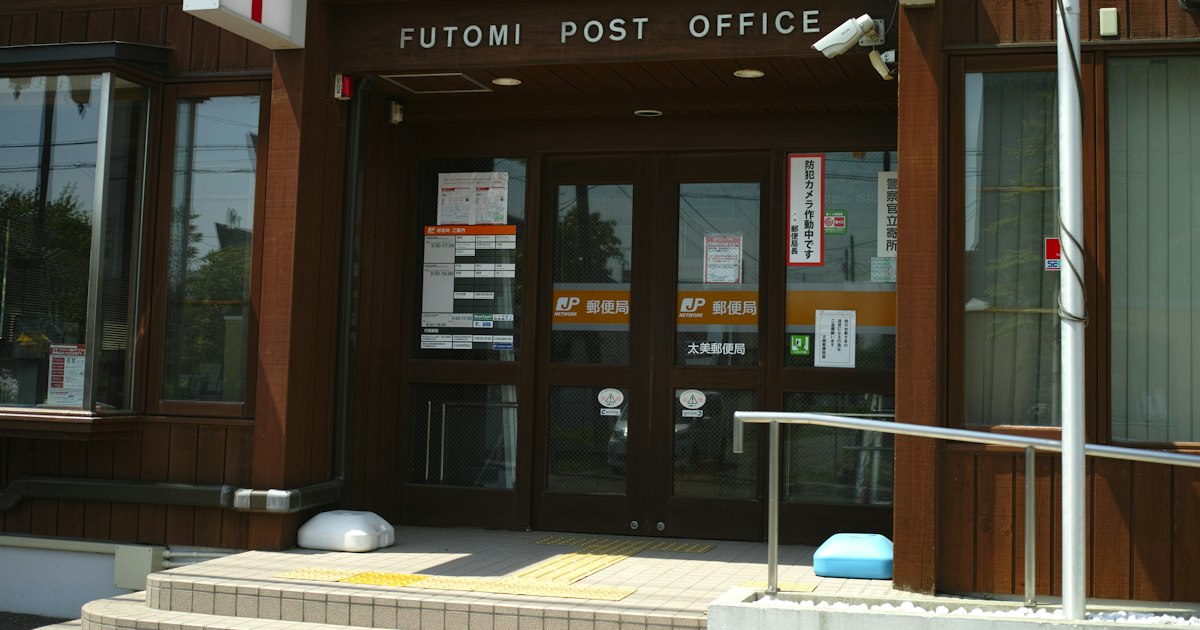
Photo by Magic Mary on Unsplash
Sending a postcard home is one of the cheapest, most satisfying souvenirs you can bring back from Japan — except you don’t keep it, someone else gets the joy of finding it in their mailbox weeks later. The process is simple once you know where to buy stamps, where the mailboxes are, and how long it actually takes. Here’s everything you need to pull it off without a wasted trip to the post office.
Where to Buy Stamps (Kitte)
Japanese postage stamps (切手, kitte) are sold at every post office counter, but you don’t need to track one down specifically for this — stamps are also sold at convenience stores (Lawson, FamilyMart, 7-Eleven) if you ask at the register, though stock is often limited to the most common denominations. Post offices themselves are the most reliable source and often sell postcard-friendly novelty stamp sheets featuring seasonal designs, anime characters, or regional motifs, which make nice souvenirs even unused.
As of 2024, a standard postcard mailed internationally from Japan costs 85 yen. Domestic postcards cost 63 yen. Always confirm current rates at the counter, since postal rates do shift periodically — the clerk will weigh and check your postcard if you’re unsure which stamp denomination to use, which is the safest way to avoid an underpaid card getting held up overseas.
Finding a Mailbox
Japan’s post boxes are bright red, cylindrical or box-shaped, and genuinely everywhere — outside post offices, near train stations, by convenience stores, and along shopping streets. Each box has two slots: one for regular mail (普通) and one for larger or non-standard items (大型・その他). Postcards always go in the regular slot. If a box looks locked or unusually quiet, don’t worry — these are just emptied on a set schedule printed on a small sign on the box itself, often once or twice daily.
If you’d rather hand your postcard directly to a person, any post office counter will take it, stamp it, and send it off the same day, which is reassuring if you’re nervous about a card sitting in a random street box.
Post Office Hours and Logistics
Regular post offices (郵便局) are typically open 9:00 AM–5:00 PM on weekdays and closed on weekends and public holidays — a schedule that catches a lot of travelers off guard since so much else in Japan runs late and seven days a week. Larger central post offices in big cities, however, often have extended hours, and some — like Tokyo Central Post Office near Tokyo Station — stay open into the evening or even operate a 24-hour counter for mail and parcels. If you’re arriving via Narita, note that post office hours are a different beast entirely from the efficient airport transfers covered in our Narita Express vs. Keisei Skyliner guide — don’t assume postal services will be as convenient as the trains.
Budget tip: if you’re buying stamps for a handful of postcards, convenience stores are fastest and open 24 hours, but for anything requiring weighing, customs forms, or unusual destinations, go to a proper post office.
Best Time to Mail Postcards
There’s no bad season to send a postcard, but timing matters if you want it to arrive before you’re home. International postcards from Japan typically take 1–2 weeks to North America, Europe, and Australia via standard airmail — occasionally longer during the New Year period (late December–early January) when Japan’s domestic mail volume spikes with nengajo (New Year’s cards) and processing slows everywhere. If you’re traveling during Golden Week (late April–early May) or Obon (mid-August), post offices will have reduced hours or closures, so mail postcards before or after those windows if timing matters to you.
A nice trick: buy and write your postcards early in the trip, while you’re still near post offices in Tokyo or Kyoto, rather than scrambling on your last day when you might be somewhere rural with no post office in sight.
Common Mistakes to Avoid
- Underpaying postage. Oversized or thick novelty postcards sometimes exceed standard postcard weight/size limits and need extra postage — have the counter clerk check if your card feels unusually heavy or textured.
- Assuming weekend post office access. Regular post offices are closed Saturday and Sunday; plan around this rather than discovering it on a Sunday afternoon.
- Writing the address in the wrong format. For international mail, write the destination country name clearly in English/Roman letters, and write the address in the normal format for that country (not Japanese order) so it’s legible to the receiving postal service.
- Forgetting customs forms for anything beyond a postcard. If you’re mailing a small gift alongside your postcard — say, a little omiyage sweet from our Tokyo Banana and Japan’s Iconic Omiyage Sweets guide — that becomes a parcel, not a postcard, and needs a customs declaration at the counter.
Where to Find Beautiful Postcards to Send
Souvenir shops near major shrines and stations sell standard tourist postcards, but for something more distinctive, look in neighborhoods known for craft and design. Daikanyama’s boutique shops often stock beautifully designed stationery and postcard sets from independent Japanese illustrators, a step up from generic rack postcards. If you’re drawn to traditional crafts, postcards featuring textile and washi paper motifs pair nicely with a stop at Nishijin-ori in Kyoto, where you can see the silk-weaving tradition that inspires a lot of that imagery firsthand.
Budget option: 100-yen shops and train station kiosks sell perfectly decent postcards for 100–200 yen each. Mid-range: boutique stationery shops run 300–600 yen for higher-quality card stock and original art. Splurge: limited-edition museum or temple postcard sets, sometimes boxed, can run 1,000–2,000 yen but make excellent gifts in their own right.
Final Tip: Send One to Yourself
A postcard mailed to your own address is a small, inexpensive time capsule — it’ll arrive after you’re home, stamped and dated, as a tangible memory of the trip. Combine it with a quick post office stop near your hotel on day one or two, before the itinerary gets busy, and you’ll have one less thing to worry about later.