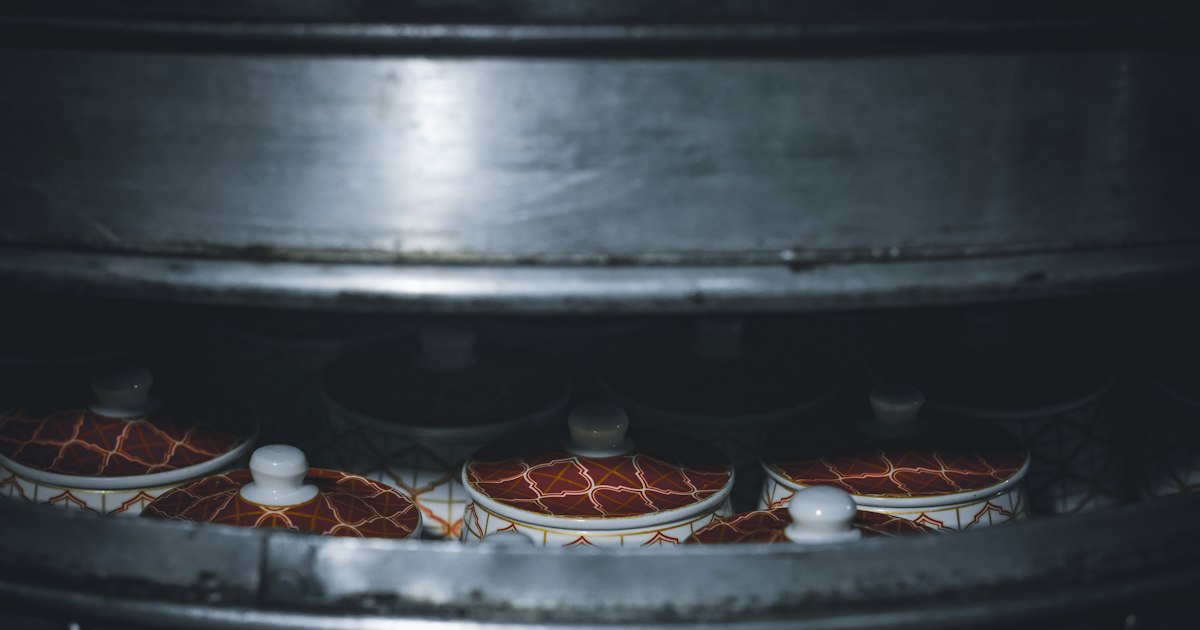
Photo by Alan Jiang on Unsplash
Walk through any kitchenware district in Japan and you’ll see stacks of pale, woven bamboo baskets piled up like drums — these are mushiki (蒸し器), the steamer baskets used for everything from chawanmushi to shumai to a simple plate of sweet potatoes. They’re inexpensive, light enough to pack, and genuinely change how you cook once you get home. This guide covers where to buy one, how to pick the right size, and how to season and use it so it doesn’t warp, mold, or smell like a wet basement after two uses.
What Is Mushiki, and Why Buy One in Japan?
A mushiki is a stackable bamboo basket with a woven lattice bottom, designed to sit over a wok or a pot of boiling water (or on top of a matching metal steamer pot sold as a set). Unlike metal steamer inserts, bamboo absorbs excess moisture as it cooks, so food doesn’t get that slightly soggy, condensation-soaked texture you get from stainless steel. It’s the standard tool in Chinese-Japanese cooking (chukazai) for dim sum, but Japanese home cooks also use it for vegetables, siu mai, mushi-pan (steamed bread), and reheating rice or buns without drying them out.
You can buy bamboo steamers outside Japan, but the ones sold in Japanese kitchen districts are generally better made — tighter weave, straighter rims, and sold in sizes that actually match the woks and pots available locally. Prices are also noticeably lower than importing the same quality elsewhere.
Where to Buy a Bamboo Steamer in Japan
The best-known destination is Kappabashi (also written Kappabashi-dori), Tokyo’s kitchen-supply street in Asakusa, about a 7-minute walk from Tawaramachi Station on the Ginza Line. Dozens of shops here sell nothing but professional and home kitchenware, and several specialize in steamers and woks.
- Kama-asa Shoten — a long-running Kappabashi shop known for knives and cookware; carries bamboo steamers from roughly ¥1,500 for a small single-tier basket. Open daily except Wednesdays, generally 10:00–17:30.
- Tokyo Biken / general Kappabashi steamer specialists — several unnamed storefronts along the main street sell stacked sets (two baskets plus a lid) for ¥3,000–¥6,000 depending on diameter.
- Nishiki Market, Kyoto — a few kitchenware stalls among the food shops sell smaller steamers aimed at home cooks, usually ¥2,000–¥4,000 for a basic set. Most shops open around 9:00 and close by 18:00.
- Tokyu Hands and Loft — department store chains in most major cities carry mass-produced bamboo steamers (often made in China rather than Japan) for ¥1,000–¥2,500. Fine for a budget option, but check the weave quality in person before buying.
Weekday mornings are the best time to shop Kappabashi — it’s a working wholesale street, not a tourist attraction, so shops are quieter and staff have time to explain sizing. Many close on Sundays or Wednesdays depending on the shop, so check before making a special trip.
Choosing the Right Size and Type
Mushiki are sized by diameter in centimeters — common home sizes are 21cm, 24cm, 27cm, and 30cm. Buy based on what you’ll cook most and what pot or wok you already own:
- 21–24cm — good for one or two servings, individual chawanmushi cups, or a small batch of dumplings. Fits inside most standard home woks.
- 27–30cm — better for whole fish, a full plate of vegetables, or steaming for a family. Needs a larger wok or a wide pot.
Most sets sold in Japan come as two stacked baskets with one lid, which lets you steam two dishes at once (useful for keeping a protein separate from a vegetable). Check that the rim sits flush and doesn’t wobble — uneven weaving lets steam escape and extends cooking time.
How to Season a New Steamer Before First Use
New bamboo steamers need a quick seasoning step before cooking, or they can taste faintly of raw bamboo and shed loose fibers.
- Rinse the basket under running water, scrubbing lightly with a soft brush — no soap.
- Steam it empty over boiling water for 10–15 minutes. This tightens the weave and removes the raw smell.
- Let it air dry completely, upside down, away from direct sun (which can crack the bamboo).
Do this once before the first real use, and the basket is ready for years of regular cooking.
Cooking With Mushiki at Home: Common Mistakes
Bamboo steamers are forgiving, but a few habits cause most of the problems people run into:
- Not lining the basket. Food sticks directly to the bamboo lattice and tears when you lift it off. Use napa cabbage leaves, parchment paper with holes punched in it, or the perforated paper liners sold alongside the steamers themselves (around ¥300 for a pack at any Kappabashi shop).
- Letting the water run dry. Bamboo can scorch if the pot underneath boils dry — check the water level every 15–20 minutes for longer steams.
- Washing with soap. Soap soaks into the porous bamboo and lingers. Rinse with hot water only, and scrub stuck bits with a bamboo brush.
- Storing it wet. This is the single biggest cause of mold. Always dry the steamer fully — ideally outdoors or near good airflow — before stacking it away.
- Oversized gaps between the basket and the wok rim. If steam escapes around the edges, cooking times stretch and the food can dry out. A damp cloth draped loosely over the gap helps if your basket runs slightly smaller than your wok.
Budget, Mid-Range, and Splurge Options
Budget (¥1,000–¥2,000): A single-tier 21cm basket from a department store chain like Tokyu Hands. Fine for occasional use, less durable with heavy rotation.
Mid-range (¥3,000–¥6,000): A two-tier 24–27cm set from a Kappabashi specialist — tighter weave, straighter rim, and the size most Japanese home cooks actually use.
Splurge (¥8,000+): Handmade sets from older Kappabashi workshops, sometimes paired with a matching copper or stainless steamer pot sized specifically for the basket. These last decades with proper care and are worth it if you cook with one weekly.
If you’re furnishing a kitchen for a longer stay in Japan rather than just visiting, it’s worth reading about renting a storage unit (trunk room) in Japan for extended stays — bulky kitchenware like a stacked steamer set is exactly the kind of thing that’s easier to store between trips than to keep re-packing.
Bringing It Home and Pairing It With Other Japanese Kitchenware
Bamboo steamers pack flat-ish in a suitcase if you nest the baskets and wrap them in clothing to prevent crushing the rim. Declare them as wood/bamboo if asked at customs — they’re not a restricted item, just an agricultural product in some countries, so check your destination’s import rules for untreated plant material.
If you’re shopping for Japanese kitchen and home goods more broadly, Kappabashi is worth a half-day on its own, and it pairs naturally with a wider look at Japanese craft goods — lacquerware like the pieces covered in our guide to Kiso Shikki, Nagano’s lacquerware tradition makes a nice companion purchase for serving whatever comes out of the steamer. And if you’re setting up a longer-term home base in a traditional apartment, it’s also worth knowing where renters in Japan buy washi paper and repair kits for shoji screens — a different kind of shopping trip, but the same neighborhoods often cover both.
Once you’ve got the basket home, start simple: steamed vegetables with a little sesame oil and salt, or frozen gyoza straight into a lined basket for 8–10 minutes. It’s a low-effort way to keep the trip’s most practical souvenir in regular use instead of letting it sit in a cupboard.