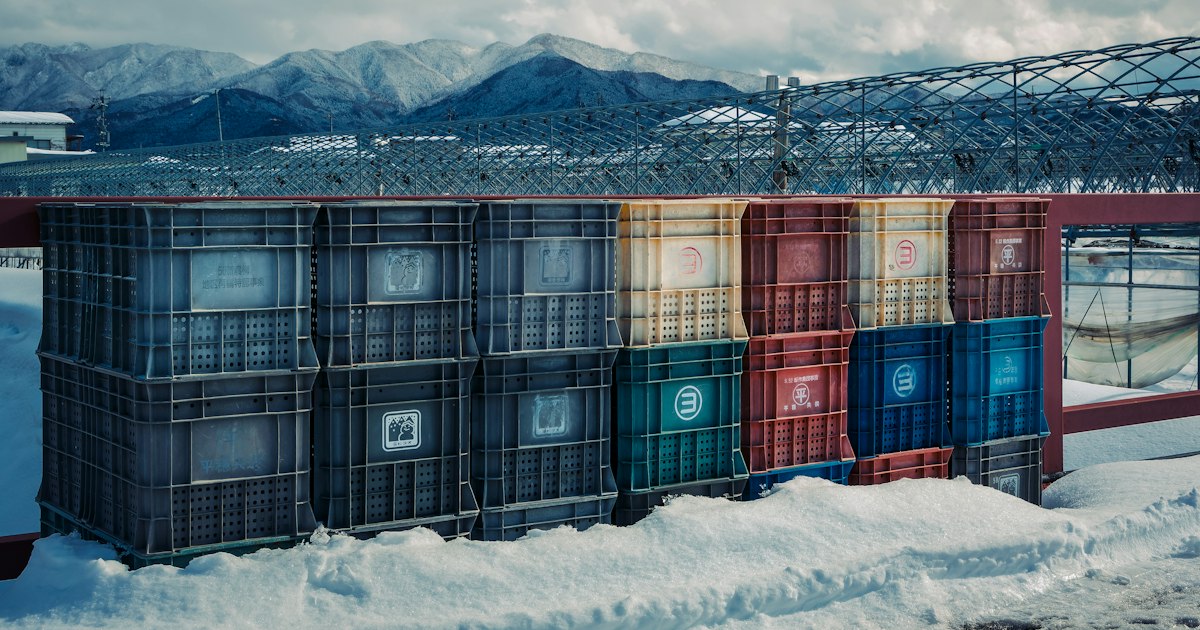
Photo by Terumi Tokino on Unsplash
If you’re staying in Japan for more than a few weeks — doing a working holiday, studying, between apartments, or just touring the country with more luggage than your next guesthouse can hold — you’ll eventually run into the same problem: where do you put your stuff? Japan’s answer is the “trunk room” (トランクルーム), a storage unit system that’s cheaper, more flexible, and more foreigner-friendly than most visitors expect. Here’s how it actually works.
What a Japanese Trunk Room Actually Is
“Trunk room” covers two different things, and knowing the difference saves you money:
- Outdoor container-type storage — shipping containers in a parking lot or vacant lot, usually unmanned, accessed with a key or PIN code. Cheapest option, but temperature and humidity aren’t controlled.
- Indoor climate-controlled storage — inside a building, often with air conditioning and dehumidifiers. Pricier, but necessary for anything that reacts to Japan’s brutal summer humidity: electronics, leather, kimono, books, musical instruments.
Major chains include Hello Storage, Soko Trunk, Quraz, and Alta Trunk Room, all with English-language or at least pictogram-heavy websites and app-based access. They operate thousands of locations nationwide, concentrated in Tokyo, Osaka, Nagoya, and Fukuoka.
Typical Prices and Unit Sizes
Pricing is monthly, with no long-term contract required at most chains:
- 0.1–0.2 tsubo (roughly a tall locker, ~0.3–0.5㎥): ¥3,000–6,000/month — fits a few suitcases, seasonal clothes, a folding bike.
- 0.5–1 tsubo (a small closet): ¥8,000–15,000/month — fits boxed-up apartment contents for one person, snowboard gear, a bicycle.
- 2+ tsubo (walk-in size): ¥20,000–40,000/month — used by small businesses or people storing full furniture sets between moves.
Prices in central Tokyo (Shibuya, Minato) run 20–40% higher than the same size unit in the suburbs or in cities like Nagoya or Fukuoka. Indoor climate-controlled units typically cost 1.5–2x the outdoor container equivalent. Almost every provider waives the admin fee (often ¥3,000–5,000) during seasonal campaigns, so it’s worth checking their site before signing up rather than booking the moment you need space.
How to Book One
The process is simpler than renting an apartment, and most chains let you do it entirely online:
- Search by nearest train station on the provider’s site (Hello Storage and Soko Trunk both have map search).
- Reserve online — you’ll need a Japanese phone number and, for most providers, a Japanese bank account or credit card for the monthly direct debit.
- Pay the first month plus a deposit (usually one month’s rent, refundable) and admin fee.
- You’ll get an access code or physical key sent by mail, or set up app-based unlocking, within a few days.
If you don’t yet have a Japanese bank account, some chains accept international credit cards for billing, but not all — check before you reserve. If you’re planning a longer stay and haven’t set one up, our guide on opening a Japanese bank account covers what long-term visitors and working holidaymakers actually need to get one.
Best Timing and Seasonal Considerations
Japan’s moving season — late February through early April, driven by the fiscal and school year starting April 1 — is when storage demand spikes and some urban locations sell out. If you know you’ll need a unit around that window, book 2–3 weeks ahead. Outside that period, availability is generally easy same-week.
Climate matters more than most visitors expect. Japan’s rainy season (tsuyu, mid-June to mid-July) and the humid stretch through September make outdoor container units risky for anything with fabric, leather, or electronics — mold and rust are real problems. If your stay spans summer and you’re storing more than off-season clothes, pay the premium for an indoor climate-controlled unit.
Access, Location, and Getting There
Most chains list access hours on the unit page — container-type storage is often 24/7 via keypad, while indoor facilities inside buildings may restrict hours to roughly 7:00–23:00 to match building security. Choose a location within a 10–15 minute walk or one train stop of where you’re actually staying; people consistently underestimate how annoying it is to haul a suitcase across town, and the cheapest unit in a different ward isn’t a deal if you need three train transfers to reach it.
If you’re storing a bicycle (common for working holidaymakers) look specifically for container-type units — most are ground-level with wide doors, unlike indoor units that may require navigating narrow building corridors or elevators.
Common Mistakes to Avoid
- Booking a unit too small. Providers list internal dimensions in centimeters — measure your actual boxes and suitcases rather than guessing from the tsubo number.
- Forgetting the cancellation notice period. Most contracts require 1 month’s written notice before move-out, given via the app or website, or you’re billed for an extra month. Set a calendar reminder when you know your departure date.
- Storing anything flammable, perishable, or valuable without insurance. Trunk rooms are not bonded storage — theft/fire coverage is usually optional and cheap (a few hundred yen/month) but not automatic. Add it if you’re storing electronics or anything irreplaceable.
- Assuming it doubles as a mailing address. Trunk rooms are storage only — you can’t receive mail or packages there, unlike a sharehouse or coworking space.
If what you actually need is a few days of luggage storage rather than monthly storage — say, you’re doing a side trip and don’t want to drag bags along — that’s a different, much cheaper service (coin lockers or hotel baggage storage), not a trunk room. Trunk rooms only make financial sense once you’re storing for a full month or more; anything shorter and lockers at the station will beat the price every time.
Budget, Mid-Range, and Splurge Picks
- Budget: An outdoor container unit (0.1–0.2 tsubo) for off-season clothes and gear you won’t need for months — roughly ¥3,000–5,000/month.
- Mid-range: A 0.5 tsubo indoor unit near your sharehouse or apartment, good for a working holidaymaker storing a season’s worth of belongings — around ¥10,000–13,000/month.
- Splurge: A climate-controlled 1+ tsubo unit with insurance add-on, useful if you’re storing a full apartment’s contents during a multi-month trip home or an inter-lease gap — ¥18,000–25,000/month.
Trunk rooms are one of the small pieces of infrastructure that make extended stays in Japan far more workable than people assume before they arrive — right alongside things like self check-in hotels for flexible lodging and knowing the basics of apartment upkeep, like how renters handle small repairs. Sort out storage early, and the logistics of a long Japan stay get a lot less stressful.