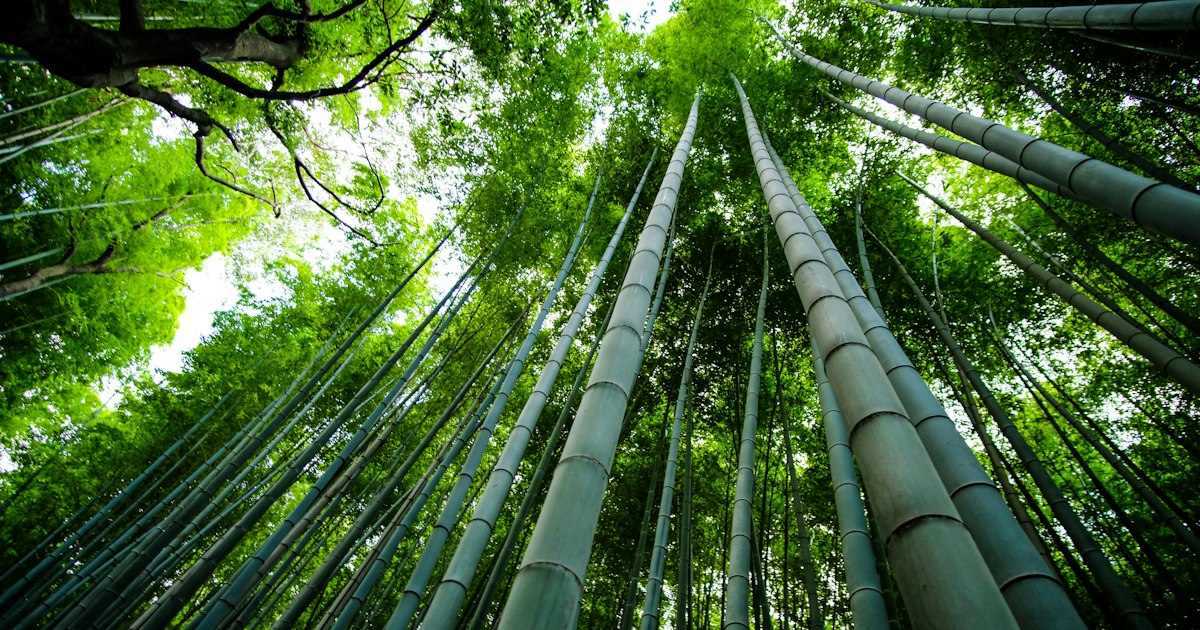
Photo by Eleonora Albasi on Unsplash
Somewhere between a meal and a game, nagashi somen sends thin, chilled wheat noodles shooting down a bamboo flume of cold running water, and you catch them with chopsticks before they slide past. It’s one of the most photogenic ways to eat in Japan during the hot, humid summer months, and it’s far easier to experience than most visitors assume. Here’s how it works, where to go, and how not to embarrass yourself at the flume.
What Exactly Is Nagashi Somen?
Somen are very thin wheat noodles, usually eaten cold with a light soy-and-dashi dipping sauce called tsuyu, often topped with grated ginger, sliced scallion, or a dab of wasabi. In the “nagashi” (flowing) version, a length of split bamboo is set up as a chute with water running through it, and noodles are fed in from the top in small batches. Diners sit along the sides with chopsticks ready, snag a few strands as they pass, dip them in a small cup of tsuyu, and eat. It’s communal, a little competitive, and genuinely refreshing on a sweltering afternoon — the water is usually drawn straight from a mountain stream, so it stays cold even in August.
The exact origin is debated — several towns in Kyushu claim to have invented it in the postwar years — but it spread nationwide as a summer restaurant gimmick and is now a fixture of the season, alongside kakigori shaved ice as one of Japan’s classic warm-weather treats.
Where to Try It: Kibune, Kyoto
The single best-known spot for visitors is Kibune (貴船), a small riverside village in the mountains north of Kyoto. Several restaurants here build “kawadoko” — wooden platforms suspended directly over the Kibune River — so you dine with your feet almost skimming the water while the temperature drops several degrees below downtown Kyoto. The most famous is Hirobun (ひろ文), which runs a long bamboo flume down the middle of its riverside platform specifically for nagashi somen.
- What it costs: Expect roughly ¥1,300–¥1,900 for an all-you-can-eat nagashi somen set (prices are revised most years, so treat this as a ballpark rather than a fixed figure).
- How it works: You’re seated at the flume, noodles come down continuously in batches, and you signal for more (or stop) using a small marker or by simply waiting for the next batch to keep flowing. Portions are generous — most people find one round plenty.
- Hours and season: The kawadoko platforms typically operate from around the first week of May through late September, with lunch service roughly 11:00–15:00 (an evening izakaya menu often continues later without the noodle flume). Exact dates shift year to year depending on weather and river conditions, so check ahead if you’re visiting at the very start or end of the season.
- Reservations: Not always required for lunch, but weekends and August afternoons get busy — arriving right at opening or booking ahead avoids a wait in the heat.
How to Get to Kibune
From central Kyoto, take the Eizan Electric Railway from Demachiyanagi Station to Kibuneguchi Station (about 30 minutes, roughly ¥470 one-way). From Kibuneguchi, it’s either a short Kyoto Bus ride or a scenic 25–30 minute walk uphill along the river to Kibune village. The neighboring village of Kurama, one stop earlier on the same line, has its own onsen and the atmospheric Kurama-dera temple, so many visitors combine both into a half-day trip out of the city. If you’re coming from Kyoto Station and don’t want to haul luggage the whole way, it’s worth reading up on coin lockers in Japan to stash your bags before heading out.
Best Season and Timing
Nagashi somen is strictly a warm-weather food — most restaurants only run the flumes from late spring through early autumn, since the whole appeal is the contrast between icy water and summer heat. July and August are peak season and peak crowds; early May or September gives you cooler mountain air, thinner crowds, and (in Kibune specifically) fewer mosquitoes near the river. Aim for a weekday lunch if you can — weekend afternoons in July and August can mean a 30–60 minute wait for a table at the most popular kawadoko restaurants.
Other Ways to Experience It
Kibune isn’t the only option. Summer festivals, beer gardens, and department store rooftop events around the country frequently set up temporary bamboo flumes as a one-off attraction — keep an eye out at local matsuri if you’re traveling outside Kyoto in July or August. Some ryokan and mountain resorts with their own streams also offer it as a seasonal lunch add-on.
If you want to try it at home, compact plastic or bamboo nagashi somen flume sets (some with a small circulating pump) are sold at Japanese home goods stores and larger supermarkets, and dried somen noodles themselves are cheap and available everywhere — a bundle at a discount grocery chain like the ones covered in this guide to gyomu super and local supermarkets in Japan typically costs a few hundred yen for enough to feed a family.
Common Mistakes to Avoid
- Grabbing too much at once. The etiquette is to take a modest few strands per pass and let others get their turn — the noodles keep coming, so there’s no need to scoop a whole clump.
- Dipping the whole bite in the shared tsuyu pot. You’re given an individual cup; don’t double-dip communal sauce if it’s set up that way.
- Wrong chopstick technique. Fast-moving wet noodles are genuinely harder to catch than they look. If your own chopstick skills are rusty, it’s worth a quick refresher — see this guide to Japanese chopsticks for grip basics before you’re racing cold noodles downstream.
- Showing up starving. A single somen course, even all-you-can-eat, is light on calories. Many Kibune restaurants pair it with a small kaiseki-style set (tempura, rice, pickles) for a fuller lunch — worth asking about if you want more than noodles.
- Assuming it runs year-round. Because the flumes depend on outdoor river platforms, most locations close for winter entirely. Don’t plan a trip around it outside roughly May–September.
Budget, Mid-Range, and Splurge Options
At the budget end, a bowl of ordinary chilled somen at any noodle shop or home-cooked with a store-bought flume kit costs next to nothing. Mid-range is the classic Kibune experience — around ¥1,500–¥2,000 for the all-you-can-eat nagashi somen course at Hirobun or similar kawadoko restaurants, plus transport. For a splurge, several Kibune ryokan and restaurants offer a full kawadoko kaiseki lunch (grilled river fish, seasonal vegetables, a small hot course) with nagashi somen served as the finale, running roughly ¥5,000–¥10,000 per person — a good option if you want the riverside atmosphere paired with a proper multi-course meal rather than noodles alone.