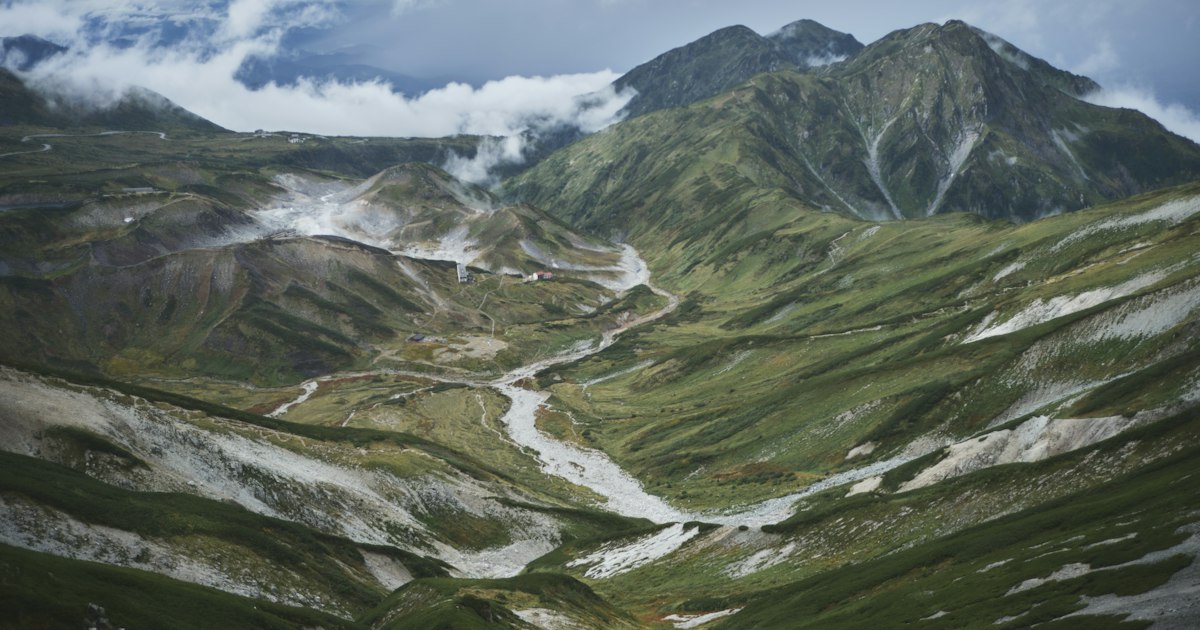
Photo by Bill Michaud on Unsplash
Two and a half hours north of Tokyo, Nasu Highland climbs the slopes of an active volcano into cool forest, steaming hot spring villages, and grasslands where lions and giraffes roam in sight of the Imperial family’s old summer retreat. It’s one of Tochigi Prefecture’s most-visited escapes, but also one of the most spread-out — attractions here are scattered across a mountainside rather than clustered in a walkable town, which trips up a lot of first-time visitors. Here’s how to actually plan it.
Getting There: Shinkansen, Bus, or Car
The fastest route from Tokyo is the Tohoku Shinkansen to Nasushiobara Station — note that only the Yamabiko and Nasuno trains stop there, not the faster Hayabusa, so check your train type when booking. The ride takes roughly 70 minutes and costs around ¥5,500 one-way unreserved. From Nasushiobara Station, local buses (the JR Bus Kanto and Tohoku Bus lines) run up to the Nasu Onsen area in about 40–50 minutes; from there, individual sights like the safari park or the imperial villa grounds need another short bus hop or taxi, since they sit several kilometers apart on the mountain.
Driving is far more convenient if you’re visiting more than one attraction in a day. Take the Tohoku Expressway to Nasu IC, then follow Route 17/Nasu Kogen Line up the mountain — about 2.5–3 hours from central Tokyo depending on traffic. If you’re renting a car for the trip and have only driven in Japanese cities before, it’s worth knowing that rural Tochigi parking works differently from the coin-parking lots you’ll have used in Tokyo; our guide to parking in Japan covers how to read the signage and apps before you head out of the city.
The Nasu Imperial Villa and Heisei Forest
Nasu’s imperial connection dates to 1926, when the Imperial Household built a summer villa here — following the lead of Western missionaries who’d already discovered the highland’s cool air decades earlier and built their own cottages nearby. The villa itself isn’t open to the public, but a large portion of its grounds were opened in 2011 as Nasu Heisei no Mori (Nasu Heisei Forest), named for the era of the emperor who chose to share it.
Admission is free. There are two walking options: a short, self-guided forest loop near the visitor center that takes about 50 minutes and needs no reservation, and a deeper “Okunomori” course that requires a nature guide and advance booking, with a cap on daily visitor numbers — book this one online a few days ahead if you want it, especially on weekends and during autumn leaf season. The park is typically closed on Mondays; plan your visit day accordingly.
Nasu Safari Park and Nasu Animal Kingdom
Nasu Safari Park is the area’s original drive-through animal park: you can tour the lion and tiger enclosures in your own car (or a park ranger bus if you didn’t drive) before walking through a separate zone with elephants, bears, and smaller animals. Expect to pay roughly ¥2,600–2,800 for adults, with discounted child tickets. Hours generally run around 9:00–16:30, with reduced hours and some closed days in winter, so check the current schedule before you go.
A few kilometers away in neighboring Nasushiobara, Nasu Animal Kingdom is the newer, more polished alternative — famous online for its hands-on capybara and otter feeding, plus a separate “Big Cat” safari bus tour sold as an add-on ticket. If you only have time for one, families with young kids tend to prefer Animal Kingdom’s interactive feel; visitors who want a classic drive-through safari experience should stick with Nasu Safari Park.
Nasu Onsen: One of Japan’s Oldest Hot Spring Towns
Nasu Onsen has been in continuous use for over a thousand years, name-checked in classical poetry and visited by the haiku poet Matsuo Basho on his famous journey north. It’s actually a cluster of smaller spring villages — Yumoto, Benten, Taka, Kita, and others, collectively called the Nasu Shichito (“seven hot springs”) — each with a slightly different water mineral profile, ranging from clear sulfur springs to cloudy white ones.
Most visitors base themselves in Nasu-Yumoto, the oldest and most developed of the villages, where you’ll find public bathhouses charging a few hundred yen for a soak alongside full ryokan (traditional inn) stays. If a multi-day soak leaves your shoulders tight, many onsen towns in Japan — Nasu included — have shiatsu and amma massage parlors or in-room services; our guide to booking a traditional Japanese massage as a tourist explains how to arrange one even if you don’t speak Japanese.
Right by Yumoto is Sessho-seki (“Killing Stone”), a volcanic rock tied to the legend of a fox spirit, Tamamo-no-Mae, said to have been sealed inside it. The rock made international news in 2022 when it cracked in two, which locals read as an old omen loosening its grip. It’s a free, 10-minute walk from the nearby parking area through a short volcanic gully — worth the detour even if you’re skeptical of the folklore.
Mt. Nasu Ropeway and Best Season to Visit
For views over the whole highland, the Nasu Ropeway carries visitors most of the way up Chausu-dake, Nasu’s active volcanic peak, where steam vents are still visible near the summit trail. A round trip runs around ¥1,800 for adults, with service roughly 8:30–16:30 depending on season and weather — strong wind can shut it down, so build in a backup plan if you’re visiting on a gusty day.
Summer (June–August) is peak season for a reason: nighttime temperatures run noticeably cooler than Tokyo, which is exactly why missionaries and the Imperial family chose this spot in the first place. Autumn color usually peaks in early-to-mid October up near the ropeway and progresses down the mountain through late October. Winter brings skiing at the Nasu Onsen Family Ski Resort, while spring (late April–May) is quieter and good for fresh greenery without summer crowds.
Where to Stay, and Common Mistakes to Avoid
Budget travelers can find guesthouses and pensions around Nasu Kogen for roughly ¥5,000–8,000 per person a night. Mid-range visitors typically book a family-run ryokan in Yumoto or Nasu Kogen with dinner and breakfast included, around ¥15,000–25,000 per person. For a splurge, several higher-end resort ryokans on the upper mountain offer private rotenburo (outdoor baths) attached to the room, often ¥40,000+ per person per night. Whichever tier you pick, remember that Japanese accommodation requires ID at check-in; if it’s your first ryokan stay, our guide to checking into a Japanese hotel walks through what foreign guests need to have ready.
The single biggest mistake visitors make is assuming Nasu Highland is walkable like a town center — it isn’t. The imperial villa grounds, the safari park, Yumoto Onsen, and the ropeway base are all several kilometers apart on a mountain road with infrequent bus service, sometimes just one bus an hour. Rent a car or budget for taxis between stops. Second, don’t underestimate the altitude: even in midsummer, evenings on the highland can be genuinely cold, and older ryokans up here sometimes still warm guest rooms with kerosene stoves in the shoulder seasons rather than central heating — if that sounds unfamiliar, our piece on Japan’s old-school kerosene heaters explains how they work and what that faint kerosene smell in your room is. Finally, if you want the guided forest course at the imperial villa grounds or a weekend ropeway slot in peak autumn, book ahead — same-day availability during leaf season is unreliable.