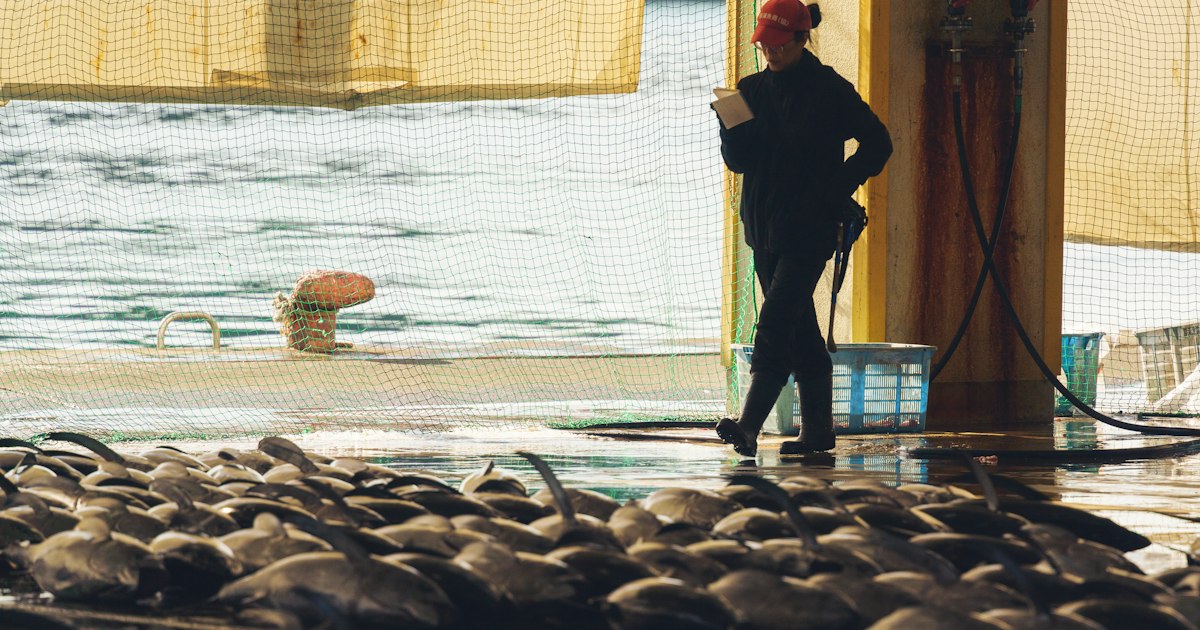
Photo by Red Shuheart on Unsplash
An hour and a half from Tokyo, on the edge of Suruga Bay, Numazu does one thing better than almost anywhere else in Japan: it puts the morning’s catch on your plate before lunch. This is a working fishing port first and a tourist destination second, which is exactly why the kaisendon (seafood rice bowls) here taste the way they do. If you want to understand why Shizuoka Prefecture punches so far above its weight for seafood, a half-day in Numazu will show you.
Why Numazu Port Is Worth the Detour
Suruga Bay is one of the deepest bays in Japan, plunging to over 2,000 meters just offshore. That depth means boats based in Numazu haul in an unusually wide range of fish within a short run — shallow-water staples like aji (horse mackerel) and tachiuo (hairtail) alongside deep-sea species that rarely show up on menus elsewhere in the country. The port itself, Numazu Uogashi, is a working wholesale market with sushi counters and donburi shops built right into the building, so the fish moving through the auction floor downstairs is the same fish going into your bowl upstairs, often within hours.
Getting There from Tokyo
Numazu is easier to reach than its “regional day trip” reputation suggests. The simplest route is the Tokaido Shinkansen from Tokyo Station to Mishima (about 50–55 minutes on a Kodama, since Hikari and Nozomi don’t stop there), then a short local JR Tokaido Line transfer to Numazu Station, about 5 minutes and one stop. Total travel time is roughly an hour and a quarter.
Budget travelers can skip the Shinkansen entirely and ride the JR Tokaido Line local or rapid train directly from Tokyo Station to Numazu — no transfer needed, just a longer ride of around 1 hour 45 minutes to 2 hours at a fraction of the cost. From Numazu Station, the port area (Numazu Uogashi) is about a 20-minute walk or a short taxi/bus ride; signs toward “沼津港” (Numazu Port) make it easy to follow on foot. If you’re driving down from Tokyo or combining the trip with the Izu Peninsula, note that the streets right around the port fill up fast on weekends — look for the marked coin lots near the market rather than circling for street parking, which Japan generally doesn’t allow casually (see our guide to coin parking lots and apps in Japan if you’re unfamiliar with how that system works).
Numazu Uogashi: Where to Eat Kaisendon
The market complex has two adjoining sections — Numazu Uogashi proper and the neighboring Minato Shin Sengyo Center — packed with seafood restaurants, sushi counters, and retail stalls selling dried fish, fish cakes, and souvenirs. Most restaurants open between 8:00 and 9:00 AM and start winding down mid-afternoon, around 16:00–16:30; this is a breakfast-and-lunch destination, not a dinner one.
Expect to pay roughly ¥1,500–2,000 for a solid standard kaisendon, ¥2,500–3,500 for a mid-range bowl with a wider variety of cuts, and ¥4,000 or more for premium versions loaded with uni, ikura, and otoro. A bowl of just-caught aji or a daily sashimi set can run even cheaper, closer to ¥1,200–1,500, if you’re happy with fewer varieties. Arrive before 11:00 AM if you can — the most popular counters routinely form 30–60 minute lines by midday on weekends, and the fish selection is at its freshest and most varied earlier in the day anyway.
If you’re eating at a sushi or donburi counter, the usual Japanese dining etiquette applies, including a few habits that trip up first-time visitors — our rundown on chopstick taboos in Japan is worth a quick read before you sit down, since sticking chopsticks upright in rice or passing food chopstick-to-chopstick are both easy mistakes to avoid once you know them.
What to Order: Suruga Bay’s Signature Catches
A few items are worth seeking out specifically because they’re regional specialties rather than generic sushi-counter staples:
- Numazu aji (horse mackerel) — served raw as sashimi or tataki, prized for its clean, slightly sweet flavor; available nearly year-round but best in late spring and summer.
- Sakura ebi (sakura shrimp) — a translucent pink shrimp fished in Suruga Bay during two short seasons, roughly mid-March through early June and again late October through December; outside those windows most shops serve frozen or dried versions, which are still good but noticeably different from the fresh catch.
- Tachiuo (hairtail/beltfish) — a long, silvery fish usually served grilled or as sashimi, in season through summer and into autumn.
- Deep-sea specialties — because of the bay’s depth, some shops serve unusual catches like deep-sea crab or firefly squid depending on the day’s landings; ask staff what came in that morning rather than ordering from a fixed photo menu.
Beyond the Market: Byuo Tower and the Deep Sea Aquarium
Right next to the port stands Byuo (びゅうお), a tsunami floodgate with a public observation deck on top. For a ¥100 entry fee, you get an elevated view over the harbor, the fishing boats, and — on a clear day, especially in winter — Mt. Fuji across the bay. It’s a five-minute visit, but hard to beat for the price.
A few minutes’ walk away is the Numazu Port Deep Sea Aquarium (沼津港深海水族館), a small but genuinely distinctive aquarium built around Suruga Bay’s deep-water ecosystem, including coelacanth specimens and other creatures you won’t see at Japan’s larger aquariums. Admission for adults runs around ¥1,800. It pairs naturally with a market visit since it’s built on the same theme — the bay’s unusual depth is the reason both the fish on your plate and the aquarium’s exhibits are so distinctive.
Anglers will also notice Numazu’s fishing-town character extends to its tackle shops near the harbor, which stock the same serious gear used by local boat crews. If you’re into fishing gear, it’s worth knowing that two of Japan’s best-known reel makers trace back to this coast — see our guide to Shimano and Daiwa fishing reels for where enthusiasts actually shop in Japan.
Best Time to Visit and Common Mistakes
Go on a weekday morning if your schedule allows — the market is noticeably calmer and the fresh-catch selection hasn’t been picked over. Weekend late mornings and early afternoons are the busiest window by far. Winter is a particularly good season for a visit: the air is clearer for Mt. Fuji views from Byuo, and several seasonal fish, including aji and tachiuo variants, are at good quality.
The most common mistake visitors make is treating Numazu as a dinner destination — nearly everything in the market closes by late afternoon, so plan this as a morning or lunchtime trip rather than building an evening itinerary around it. The second is assuming every stall keeps the same hours or rest days; individual shops within the complex close on rotating days (often a Wednesday, but not uniformly across the whole market), so if a specific restaurant you had in mind is your main goal, it’s worth a quick search the day before to confirm it’s open. Finally, when buying dried fish, fish cakes, or other packaged souvenirs to take home, remember that the displayed price typically excludes Japan’s consumption tax — it’s added at checkout, which can be a small surprise if you’re budgeting precisely; our explainer on Japan’s consumption tax breaks down why sticker prices and register totals don’t match.
Numazu isn’t trying to be a polished tourist attraction, and that’s the point — it’s a real port town where the main event is simply very good, very fresh fish, eaten close to where it was caught.