Japan’s reputation for step-free stations, tactile paving, and patient staff makes it one of the easier countries in Asia to navigate with limited mobility — but renting the right equipment still takes some planning. Free airport loans cover you for a few hours, theme parks rent by the day, and nationwide delivery services can have a scooter waiting in your hotel room for a two-week trip. Here’s how the options actually break down, with real prices and booking windows.
Manual Wheelchair or Electric Scooter: Know the Difference First
Most rental programs in Japan split into two categories: manual wheelchairs (which require a companion to push, or that you self-propel) and electric scooters, often called ECVs (electric convenience vehicles) or by the brand name WHILL, a Japanese company whose compact four-wheeled scooters have become the default at airports and attractions nationwide. Manual chairs are cheaper and fold small enough for shinkansen luggage racks; electric scooters are far less tiring for a full day of walking-heavy sightseeing but are heavier, need charging overnight, and don’t fold as compactly, which matters if you’re changing hotels every two or three nights.
Free Wheelchair Loans at Airports and Train Stations
Narita, Haneda, Kansai, and Chubu Centrair airports all lend manual wheelchairs free of charge from their special-assistance or information counters, and Haneda also has WHILL robotic scooters available for navigating the terminal — reservable through the airport’s accessibility desk or requested on arrival. There’s no charge, but during peak holiday periods (New Year, Golden Week in late April/early May, mid-August Obon) it’s worth contacting your airline’s special-assistance line 48 hours ahead so a chair is ready at the gate.
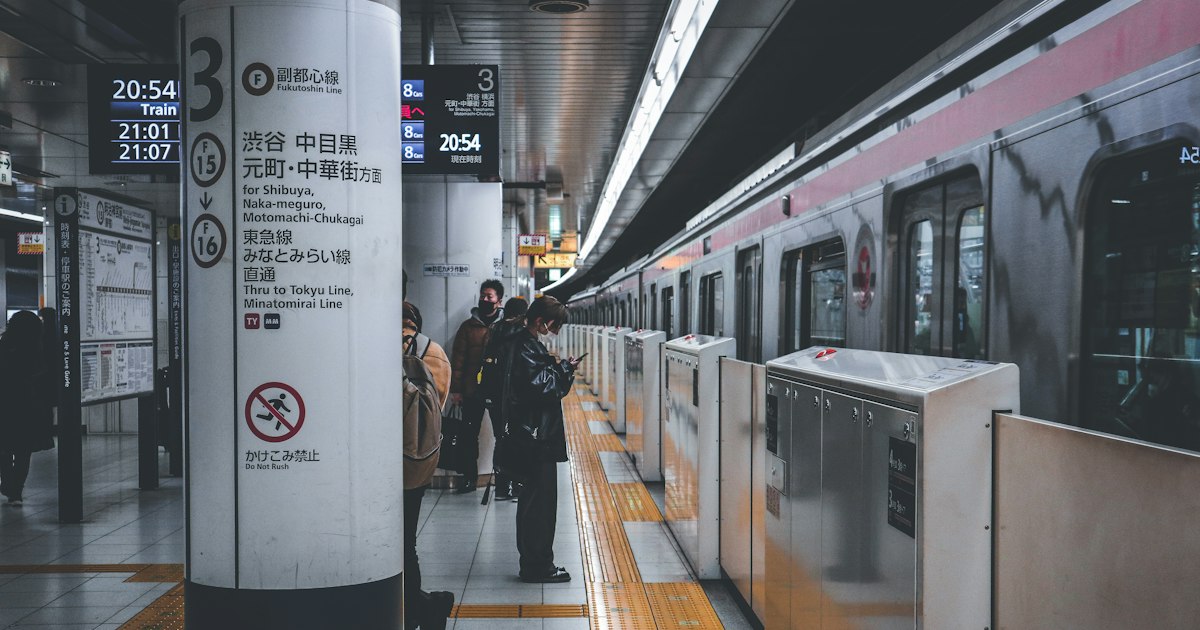
JR and most private railway stations keep a small number of wheelchairs on hand for getting between the platform and the station exit, and staff will set up a boarding ramp for the train itself — but this requires advance notice, especially at smaller or rural stations that aren’t staffed around the clock. For shinkansen travel, request the multipurpose room or an accessible seat near a wheelchair space when you book your ticket, ideally a day or two ahead through a JR ticket office (midori-no-madoguchi) rather than an ordinary vending machine, which won’t have this option.
Renting at Theme Parks and Major Attractions
If your mobility needs are mostly for a single big day out, Tokyo Disney Resort and Universal Studios Japan both rent manual wheelchairs for roughly ¥500 per day and electric scooters for around ¥2,000 per day, available at guest services near the main entrance on a first-come, first-served basis (no advance reservation at most locations). Prices and exact rental points occasionally change, so it’s worth checking the park’s official accessibility page the week before your visit. Many museums, aquariums, and large shopping complexes — including big stations and department stores — also keep a few manual chairs at the information counter that you can borrow free for the day, no ID or deposit required in most cases.
Nationwide Delivery Rental Services for Multi-Day Trips
For a trip that spans several cities, the more useful option is a specialist rental company that ships an electric wheelchair or scooter directly to your first hotel and picks it up at your last. These services typically charge somewhere in the ¥3,000–¥6,000 range per day for an electric scooter, with discounted weekly rates often landing around ¥15,000–¥25,000, plus a separate delivery and collection fee of roughly ¥2,000–¥5,000 depending on distance. Manual wheelchairs through the same companies usually run cheaper. Book at least one to two weeks ahead of arrival — these are small operations without walk-in stock, and popular travel seasons fill their schedules fast. Most ask for a credit card on file for the deposit, though a few older operators still prefer a cash deposit paid on delivery, so having yen on hand matters; if you need to top up cash for that, Japan Post Bank ATMs are one of the most reliable options for foreign cards anywhere in the country.
Costs at a Glance
- Budget: Free airport and station wheelchair loans; free chairs at museums, department stores, and aquarium/zoo information counters.
- Mid-range: Theme park day rentals, ¥500 (manual) to ¥2,000 (electric) per day, no reservation needed.
- Splurge/long-trip: Hotel-delivery electric scooter rental for a multi-city itinerary, roughly ¥3,000–¥6,000/day or ¥15,000–¥25,000/week plus delivery fees, booked well in advance.
Common Mistakes to Avoid
The biggest one is assuming a scooter booked for Tokyo will also work in Kyoto or Osaka — most delivery rental companies serve specific regions or require you to arrange separate pickup/drop-off in each city, so confirm coverage before you build a multi-city itinerary around one rental. Second, don’t assume every attraction is step-free just because the station is: older temples, traditional ryokan, and narrow shopping streets (especially covered shotengai arcades and areas with original Edo- or Meiji-era layouts) can still have stairs, gravel, or raised thresholds, so check accessibility specifics for must-see sites rather than the city in general. Third, travelers often underestimate how much advance notice station staff need for ramp assistance on local and regional lines — walking up to the gate and expecting immediate help works at major Tokyo stations but is unreliable in smaller towns. Finally, if you’re renting a scooter rather than a manual chair, ask about charging cables and battery range up front; a scooter with a 20km range sounds generous until you’re covering a full day of museum-hopping and backtracking for a souvenir shop you missed.
Timing Your Rental Around the Weather
Outdoor mobility is noticeably easier in Japan’s spring (late March–April) and autumn (October–November) shoulder seasons, when temperatures are mild and rain is less frequent. Summer brings both heat and the rainy season, and travelers with mobility aids should pay particular attention to typhoon season, roughly August through October, since typhoons can suspend train services and close outdoor attractions with only a day or two of warning — not ideal when a rental scooter is scheduled for pickup on a fixed date. Building a one-day buffer into your itinerary around any scooter delivery or collection appointment during that window is cheap insurance against a schedule that otherwise can’t flex.
One last practical note: plenty of rental counters, theme parks, and smaller attraction gift shops now accept PayPay or Rakuten Pay for incidental charges like extra-day fees, which is handy if you’d rather not carry a large cash deposit around all day. With the booking done and a rough weather buffer in place, the equipment itself is the easy part — Japan’s elevators, ramps, and station staff tend to do the rest.