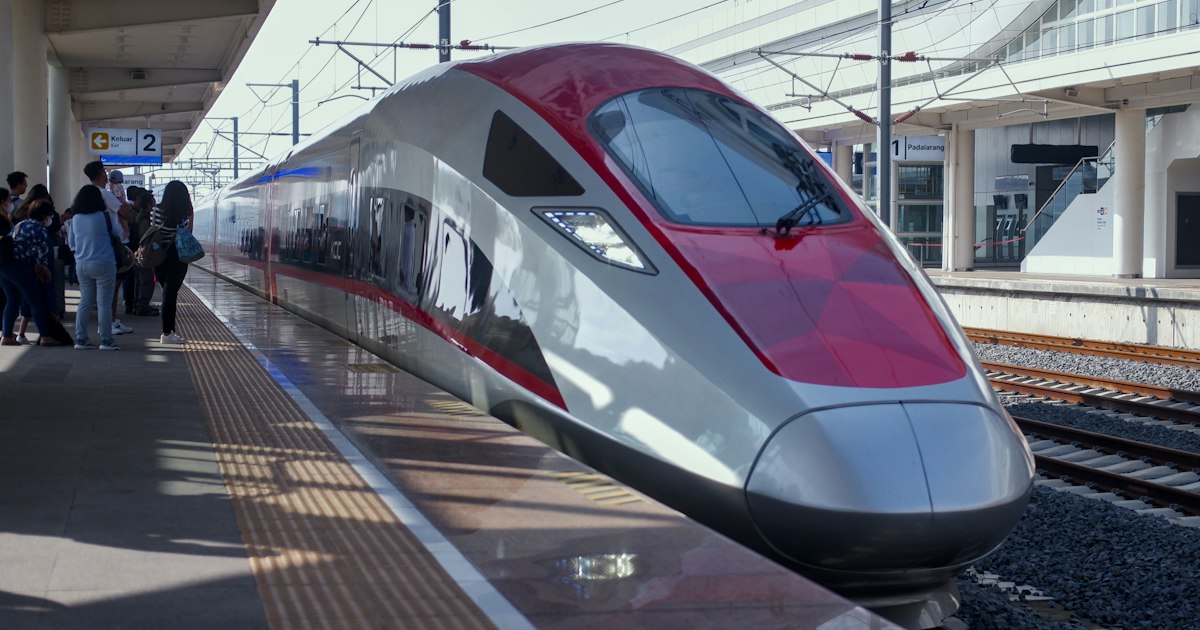
If you smoke and you’re riding the Shinkansen, the rules have gotten confusing fast. A few years ago almost every bullet train had an onboard smoking room tucked between cars. Today, depending on which line you’re riding, that room might not exist anymore — or it might be exactly where it’s always been. Here’s what’s actually true in 2026, line by line, plus how to find the room on your specific train before you’re standing in the aisle with a cigarette and nowhere to go.
The Big Change: Tokaido Shinkansen Is Now Smoke-Free Onboard
The most-used bullet train route in the country — the Tokaido Shinkansen between Tokyo, Nagoya, Kyoto, and Osaka (Nozomi, Hikari, and Kodama services) — no longer has smoking rooms on any of its trains. JR Central phased them out of its N700S and N700A fleets, completing the switch by 2024. If you’re booking Tokyo–Kyoto or Tokyo–Osaka, plan on a fully non-smoking two-and-a-half-hour ride with no onboard option at all.
This matters for connecting trips too: Nozomi and some Hikari services continue past Osaka onto the San’yo Shinkansen toward Hiroshima and Hakata, and because it’s the same physical train, those extended runs are smoke-free as well. The old rule of thumb — “there’s always a smoking room a few cars down” — simply doesn’t apply on this line anymore.
Where Smoking Rooms Still Exist
JR East’s network is where smoking rooms survive. As of now, you can still find them on:
- Tohoku/Hokkaido Shinkansen (Hayabusa, Yamabiko, Hayate) running Tokyo–Sendai–Shin-Aomori–Shin-Hakodate-Hokuto
- Akita Shinkansen (Komachi)
- Yamagata Shinkansen (Tsubasa)
- Joetsu Shinkansen (Toki, Tanigawa)
- Hokuriku Shinkansen (Kagayaki, Hakutaka) running Tokyo–Nagano–Kanazawa
Not every single trainset on these lines is guaranteed to have one — fleets get renovated gradually — but as a general rule, JR East has kept smoking rooms in service far longer than JR Central. If your itinerary includes somewhere like Obuse via the Hokuriku Shinkansen to Nagano, or a side trip from Tokyo up toward Lake Chuzenji and Kegon Falls via the Tohoku Shinkansen to Utsunomiya, you’re on a line where smoking rooms are still realistic to count on.
Kyushu Shinkansen (Sakura, Mizuho, Tsubame) and San’yo-only Kodama services are mixed and have been trending toward removal too, so don’t assume — verify before you board (see below).
How to Find the Smoking Room on Your Train
Smoking rooms are never in a fixed car number across the whole network — it depends on the specific train type (E5, E6, E7, W7, and so on), and car numbering runs in opposite directions depending on the service. The reliable ways to check:
- Car diagrams inside the train — every car has a facilities chart posted near the doors showing toilets, the multipurpose room, and the smoking room (marked with a cigarette icon) for that entire train.
- JR East’s or JR West’s official site — before booking, their “train facilities” or seating guide pages show smoking room locations per train type.
- Ask the conductor (shashō) when they pass through checking tickets — they’ll point you in the right direction without needing much Japanese; “tabako-beya wa dokodesu ka” (Where’s the smoking room?) works fine.
- Walk and look — smoking rooms sit at one end of a car, behind a glass door, usually near the vestibule between carriages, not inside the main seating area.
If you have a choice of seat when booking, picking a seat in or near the car that has the smoking room saves you from walking the length of a moving 16-car train — useful on longer hauls like Tokyo to Shin-Hakodate-Hokuto, which takes over four hours.
What’s Inside: Size, Rules, and Etiquette
Don’t expect a lounge. A Shinkansen smoking room is a small glass-walled booth, standing room only, built for two to four people at a time with a strong ventilation/air-filtration unit running constantly. There are no seats, no tables, and no food or drinks allowed inside. Heated tobacco products (IQOS, glo, Ploom) use the same room as regular cigarettes — there’s no separate space for them. Vaping with nicotine-free e-liquid is generally tolerated the same way, but when in doubt, treat it as a smoking room rule, not a free-for-all.
The room is shared across all ticket classes — ordinary car, Green Car, and Gran Class passengers all use the same smoking room if the train has one; there’s no separate smoking room reserved for Green Car. Keep visits brief during busy travel periods (Friday evenings, Sunday afternoons, holiday weeks like Golden Week or New Year) since two or three people can fill the booth and create a short queue.
Platform Smoking Booths: Your Backup Option
Most major Shinkansen stations — Tokyo, Shin-Osaka, Sendai, Omiya, Nagano, Kanazawa — have enclosed smoking booths on the platforms themselves, separate from the trains. These are free to use, open during normal station operating hours (roughly first train around 6am to last train around midnight), and are a good move if you have a layover of 10 minutes or more between transfers, or if you’re boarding a Tokaido Shinkansen that has no onboard option at all. Look for the glass booth with a cigarette icon near the platform’s vending machines or benches; staff can point you to the nearest one if you ask at the gate.
Common Mistakes to Avoid
- Assuming every bullet train has a smoking room. The Tokaido Shinkansen doesn’t anymore, and the trend elsewhere is toward removal, not addition.
- Confusing the multipurpose room with the smoking room. The multipurpose room (tamokuteki-shitsu) is for nursing mothers, wheelchair users, and people who feel unwell — smoking there is not allowed and will get you politely but firmly redirected.
- Lighting up in the vestibule or restroom. Fines and a very uncomfortable conversation with the conductor are both possible; smoke detectors in train toilets are standard.
- Not checking before buying a ticket. If smoking access matters to your trip, confirm it when you book rather than discovering the answer once you’re already on board.
A pack of cigarettes in Japan currently runs around 600 yen, and convenience stores near every major station sell them — but remember Japan requires a domestic Taspo card or a staffed register purchase, so pick up what you need before boarding rather than counting on finding cigarettes en route.
If train travel in Japan has you curious about more than just where to smoke, it’s worth a look at Japan’s trainspotting subculture — the obsession with Shinkansen design runs deep here, and understanding it makes the ride itself more interesting, smoking room or not.