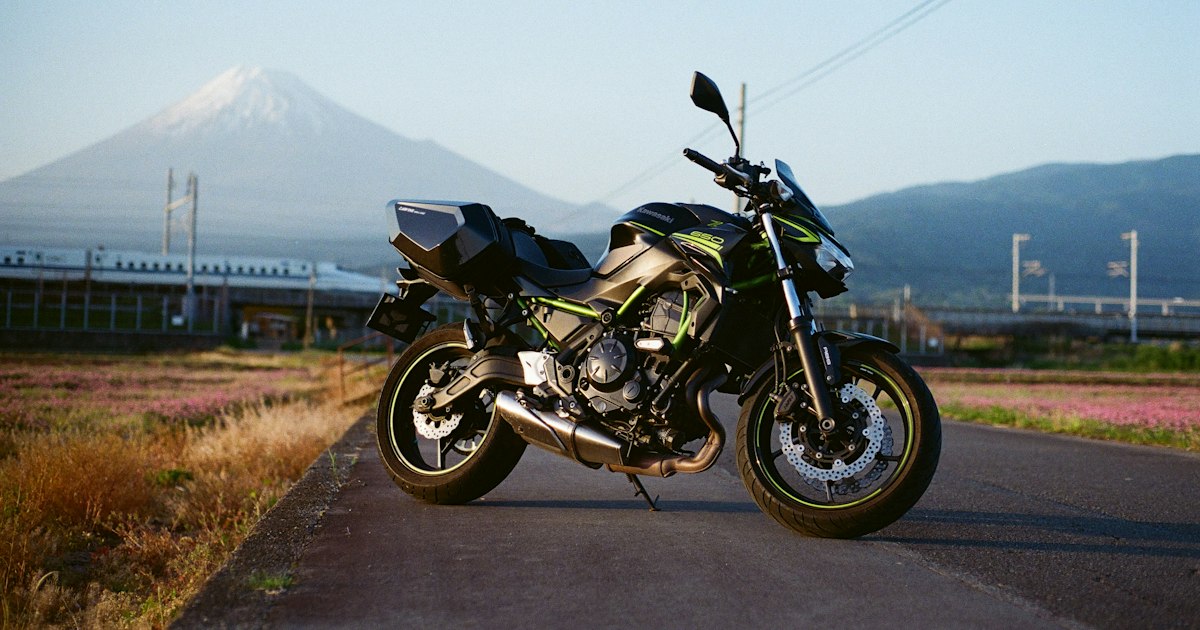
Photo by Spenser Sembrat on Unsplash
Japan looks completely different from the seat of a scooter. Coastal roads that trains never touch, mountain passes above the tree line, rice-paddy backroads where the nearest convenience store is twenty minutes away—two wheels get you there. But motorcycle and scooter rental in Japan has its own rulebook, and the single most common mistake foreign visitors make (renting the wrong class of license or vehicle) can end a trip before it starts. Here’s what actually matters.
Do You Need a Special License?
Yes, and it’s stricter than car rental in one specific way. Like driving a car, you’ll need either a valid Japanese driver’s license, an International Driving Permit (IDP) issued under the 1949 Geneva Convention, or—if you hold a license from Switzerland, Germany, France, Belgium, Monaco, or Taiwan—an official Japanese translation of your home license arranged through JAF (Japan Automobile Federation).
The catch: the Geneva Convention IDP has a specific category for motorcycles (usually listed as “A”), and it does not have a category for Japan’s smallest engine class, the 50cc “gentsuki” moped. If your home country’s licensing system doesn’t issue a motorcycle category on the IDP, you legally cannot rent anything—not even a 50cc scooter—no matter how harmless it looks. Shops will ask to see the motorcycle category explicitly before handing over keys, and reputable ones will turn you away rather than risk it. Before you travel, check your IDP application form for the motorcycle box, and if you’re unsure, email the rental shop with a photo of your license and IDP in advance.
Where and How to Rent
Rental shops cluster near train stations in cities and resort towns, with nationwide chains (Rental819 is the largest, with dozens of locations from Sapporo to Naha) alongside independent local operators who often cater specifically to touring riders and speak some English. Expect to show your passport, license, and IDP, sign a rental agreement in Japanese (ask for an English summary if needed), and leave a credit card for deposit.
Typical daily rates, including basic liability insurance:
- Budget: 50cc scooter, roughly ¥3,000–5,000/day—fine for a single city or short coastal hop, but barred from expressways and most car-only “motorway” sections.
- Mid-range: 125cc–250cc scooter or light motorcycle, roughly ¥6,000–9,000/day—the sweet spot for most touring routes, since 125cc+ opens up expressway access.
- Splurge: 400cc–750cc touring motorcycle, roughly ¥12,000–22,000/day plus upgraded collision-damage waiver insurance (¥1,500–2,500/day)—worth it for multi-day mountain or coastal routes with sustained highway stretches.
Most shops want reservations at least a few days ahead, and far earlier around national holidays—see our guide to Japan’s Silver Week if your trip overlaps late September, since rental fleets can sell out completely during that cluster of holidays.
Choosing the Right Engine Size for Your Route
Engine size isn’t just about speed—it determines which roads you’re legally allowed to use. Japan’s expressways (toll roads marked with green signs) and many scenic “skyline” or “parkway” routes require at least 125cc. A 50cc scooter is restricted to ordinary roads, which is still plenty for exploring a single town or coastline, but will shut you out of some of the best mountain routes described below. If your plan involves any real distance between towns, rent at least a 125cc.
Five Scenic Routes Worth the Ride
Izu Skyline (Shizuoka): A ridge-top toll road south of Mt. Fuji with ocean views on one side and the volcano on the other—popular enough with Japanese riders that weekend mornings get crowded with sport bikes, so go on a weekday if you can.
Noto Peninsula (Ishikawa): A full-day coastal loop past fishing villages, rice terraces that meet the sea, and almost no traffic once you’re past Wajima. Fuel stops are sparse on the northern tip, so top off before heading out.
Aso Panorama Line (Kumamoto): A sweeping road across the rim of one of the world’s largest volcanic calderas in Kyushu, with grazing cattle and steam vents visible from the saddle.
Sakurajima coastal road (Kagoshima): A short but dramatic loop around an active volcano rising straight out of the bay—easily combined with the city itself; see our guide to Kagoshima and Sakurajima for what to do once you park the bike.
Hokkaido backroads (around Otaru and beyond): Wide, empty roads built for long sightlines, especially between Sapporo and the canal town of Otaru—a manageable half-day ride that pairs well with glassblowing studios and a seafood lunch at the end.
If a route doesn’t call for a vehicle at all—dense city centers like Naha, for instance—public transit can be the better call; Okinawa’s Yui Rail monorail covers the city core well, leaving a rental scooter for day trips up the island instead.
Season, Weather, and Timing
Late April through early June and October through mid-November are the best windows: mild temperatures, low humidity, and (outside holiday weeks) manageable traffic. Avoid the rainy season (tsuyu, roughly mid-June to mid-July) and typhoon season (August–September) if you can, since mountain roads close with little warning when storms hit. Northern routes in Hokkaido and high-altitude passes elsewhere can see snow or ice as early as October and well into April, so always check road status before a long tour outside peak summer.
Common Mistakes to Avoid
- Assuming a 50cc rental is as simple as a car rental. It isn’t—see the IDP motorcycle category issue above.
- Skipping the helmet. Helmets are legally required for riders and passengers on every class of motorized two-wheeler in Japan, no exceptions.
- Underestimating rural fuel stops. Stations can be scarce on peninsula and mountain routes; fill up whenever you’re below half a tank.
- Not budgeting for tolls. Expressways and skyline roads charge tolls, usually payable in cash at the booth if your rental bike isn’t fitted with an ETC card reader.
- Booking lodging as an afterthought. For multi-day tours, a minshuku along the route makes a great overnight stop—home-cooked meals, a hot bath for tired shoulders, and often a covered spot to park the bike overnight.
Get the license paperwork right before you fly, pick an engine size that matches your route, and the reward is some of the best open-road riding anywhere in Asia.