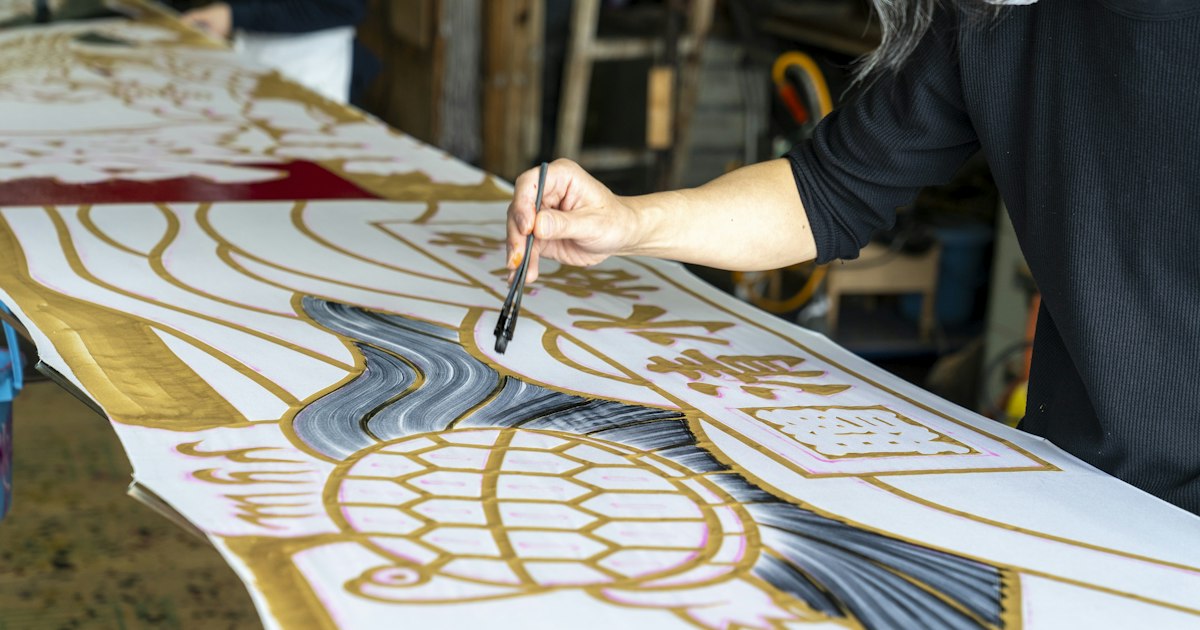
Photo by Hendrik Morkel on Unsplash
Wajima-nuri is widely considered Japan’s finest lacquerware, prized for a durability that lets a bowl survive decades of daily use without losing its shine. It comes from Wajima, a small city on the tip of the Noto Peninsula in Ishikawa Prefecture, where the craft has been refined since at least the 16th century. If you’re planning to buy a piece — or to visit the region where it’s made — here’s what you actually need to know, including an important update on how the 2024 earthquake has changed the picture.
What Makes Wajima-nuri Different
Most lacquerware is beautiful but fragile. Wajima-nuri is built to be used. The base layer uses jinoko, a powder made from local diatomaceous earth, mixed into the lacquer undercoat and reinforced with hemp cloth at stress points like rims and bottoms. Craftsmen then apply dozens of coats of urushi (lacquer sap), sanding between each one — a finished piece can go through 20 to more than 100 distinct steps and take anywhere from several weeks to over a year to complete. That’s why an authentic Wajima-nuri bowl feels noticeably heavier and more rigid than a cheap imitation, and why it can be used with hot soup daily for 20+ years without cracking.
Decoration is the other half of the story. Look for maki-e (designs built up with sprinkled gold or silver powder) and chinkin (patterns carved into the lacquer and filled with gold leaf). These techniques are what separate a 5,000-yen rice bowl from a 500,000-yen jewelry box, and genuine hand-applied maki-e should show slight texture and depth under raking light, not a flat printed sheen.
A Necessary Note: The 2024 Noto Earthquake
The January 1, 2024 earthquake that struck the Noto Peninsula caused severe damage in Wajima city itself, including fires in the historic morning market area where many lacquerware shops and workshops were concentrated. Recovery has been ongoing but uneven, and some workshops, retail streets, and tourist facilities have faced long closures or relocations. Before building a trip around visiting Wajima in person, check current conditions directly — local tourism sites and the Ishikawa Prefecture travel pages carry the latest status on which shops, museums, and roads are operating. This isn’t a reason to skip the region, but it is a reason to confirm specifics rather than assume a pre-2024 guidebook is still accurate.
The good news for shoppers: Wajima-nuri is sold well beyond Wajima itself, including in Kanazawa, Tokyo, and online, so you can buy genuine pieces even if your itinerary doesn’t make it out to the peninsula.
How to Get to Wajima
There’s no train service to Wajima — the rail line was discontinued years ago, well before the earthquake. The standard route is a highway bus from Kanazawa Station, run by Hokutetsu, taking roughly 2 to 2.5 hours one way depending on the route and stops. If you’re coming from Kanazawa for a day trip, that’s effectively 4-5 hours of travel alone, so plan for an overnight stay in the area if conditions allow, rather than rushing it as a day excursion. Given the post-earthquake disruptions, double-check current bus schedules and whether your planned stops are open before departure.
If you’re already routing through the Hokuriku region — say, combining this with the Tateyama Kurobe Alpine Route or the Kurobe Gorge Railway in neighboring Toyama — Kanazawa makes a logical base, with Wajima as a further add-on if time and conditions allow.
Where to Buy: Budget, Mid-Range, and Splurge
Budget (around 2,000–8,000 yen): Lacquered chopsticks, small coasters, and single rice bowls (owan) are the easiest entry point and pack well for travel. These make solid, well-received gifts — if you’re buying for colleagues back home, it’s worth reading up on omiyage etiquette first, since presentation and individual wrapping matter more in Japan than you might expect.
Mid-range (around 8,000–40,000 yen): Lidded soup bowls, trays, and small decorated boxes with simple maki-e accents fall in this range. This is where quality differences become obvious — ask whether a piece is honshitsu (real lacquer, multiple coats) versus a cheaper synthetic-lacquer hybrid, since both get sold to tourists.
Splurge (40,000 yen and up, into the hundreds of thousands): Large decorated boxes, tea ceremony items, and museum-quality pieces with elaborate chinkin or maki-e work by named craftsmen. These are investment pieces meant to be heirlooms, not everyday tableware, though many are still functional.
Outside Wajima, Kanazawa’s Omicho Market area and specialty craft stores near Kanazawa Station carry a solid range of genuine Wajima-nuri, and department stores in Tokyo (Mitsukoshi, Takashimaya, and similar) regularly stock curated selections in their craft or homeware floors, often with English-speaking staff and tax-free processing for purchases over 5,000 yen before tax.
Best Time to Visit
If you do make it to the Noto Peninsula, spring (April–May) and autumn (September–November) offer the most comfortable travel weather for a region with limited indoor tourist infrastructure. Winter brings heavy snow to parts of the peninsula and can disrupt bus schedules, which is worth factoring in given the already-reduced transit options post-earthquake. Regardless of season, call ahead or check online before traveling — opening hours for craft workshops and small retail shops in the region have been less predictable since 2024 than they were before.
Common Mistakes to Avoid
- Assuming “lacquerware” sold anywhere in Ishikawa is Wajima-nuri. Ask explicitly, or look for a certification sticker/tag — Yamanaka and other Ishikawa lacquerware traditions are also excellent but are distinct products, and sellers won’t always clarify unprompted.
- Washing it like ceramic. Real urushi lacquerware should be hand-washed with mild soap and a soft sponge, never put in a dishwasher or microwave, and dried promptly rather than left to air-dry in standing water.
- Buying the first thing you see at inflated tourist pricing without comparing. Prices for similar-tier pieces can vary meaningfully between shops, so it’s worth browsing a couple of stores before committing to a mid-range or splurge purchase.
- Packing it loose in a suitcase. Most reputable shops will wrap pieces properly for travel, but ask for extra padding or a hard box for anything with delicate maki-e decoration — the lacquer surface itself is durable, but gold decoration can scratch against other items.
Wajima-nuri rewards a bit of homework: knowing the difference between a genuine hand-finished piece and a quick synthetic imitation will save you from overpaying, and understanding the region’s current situation will save you a frustrating detour. Whether you buy it from a department store in Tokyo or track it down closer to its source in Ishikawa, it remains one of the most functional, long-lasting souvenirs you can bring home from Japan.