Some links below are affiliate links. If you buy through them, Japan Trove may earn a small commission at no extra cost to you.
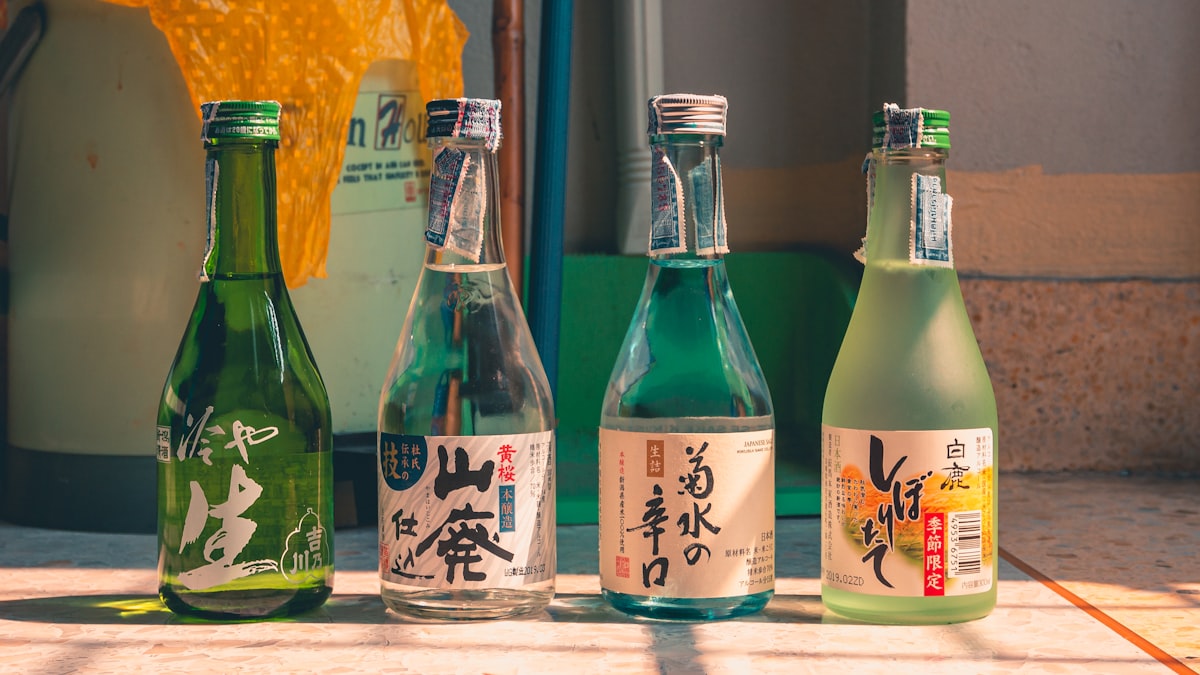
Sake (nihonshu) is Japan’s iconic rice wine, and understanding a few basics turns a confusing shelf into a delicious adventure. Here’s a beginner’s guide plus what to buy.
Sake grades, decoded
- Junmai — pure rice sake, no added alcohol; rich and full.
- Ginjo — rice polished more (≥40% removed); fruity and fragrant.
- Daiginjo — highly polished (≥50% removed); delicate, premium.
- Honjozo — a little distilled alcohol added; light and easy.
- Nigori — cloudy, unfiltered, often sweet.
“Junmai Daiginjo” simply means pure-rice and highly polished — usually the premium end.
Sweet or dry?
Check the Sake Meter Value (SMV / nihonshu-do): positive = drier, negative = sweeter. Beginners often enjoy a fruity ginjo or a slightly sweet nigori.
Hot or cold?
Premium ginjo/daiginjo shine chilled. Rustic junmai and honjozo can be lovely warm (kan) in cooler months. Cheap sake is often served hot to smooth it out.
What to try
- Dassai — a famous, approachable daiginjo, easy to find.
- Regional jizake — local brews from Niigata, Nagano, and Tohoku are prized.
- Tasting flights — many Kyoto and Tokyo bars offer sampler sets.
Where to buy & bring home
- Department-store basements (depachika), sake specialty shops, and Don Quijote.
- Buy tax-free with your passport — see tax-free shopping.
- From abroad, find bottles and sake sets on Amazon , or use a proxy service for rare labels.
Pair your bottle with the right cup — see our Japanese ceramics guide. Prefer whisky? Read our Japanese whisky guide.
What sake typically costs
- A solid entry-level junmai or honjozo runs JPY 1,500-3,000 for a standard 720ml bottle, a genuinely good starting point for tasting the style before spending more.
- Premium daiginjo bottles run JPY 4,000-10,000+, with rare or award-winning regional labels sometimes reaching JPY 20,000 or more for special editions.
- Tasting flights at specialty bars run JPY 1,500-3,500 for 3-4 small pours, an efficient and affordable way to compare styles before committing to a full bottle purchase.
Common mistakes to avoid
- Buying based on price alone assuming higher means better for your taste — daiginjo’s delicate, polished profile isn’t universally preferred; some drinkers genuinely enjoy a robust junmai’s fuller flavor more, so let a tasting guide your purchase rather than the grade hierarchy alone.
- Storing sake like wine for long-term aging — most sake (except specific aged styles) is meant to be enjoyed within a year of bottling and doesn’t improve with age the way wine does; buy what you’ll drink relatively soon.
- Serving a delicate ginjo warm — heat can mute the fruity aromatics that define the style; save warming for rustic junmai and cheaper table sake, where it genuinely improves the drinking experience.
Visiting a sake brewery
Regions like Niigata, Nada (near Kobe), and parts of Tohoku offer brewery tours and tastings, often for a modest fee or free with a purchase — a worthwhile detour if sake is a genuine trip interest, giving context (rice variety, water source, brewing method) that a bottle shop shelf simply can’t provide.
Packing bottles safely
Wrap glass sake bottles in clothing and pack them centrally in checked luggage, ideally inside a sealed bag in case of breakage in transit — airlines vary on liquid allowances in checked bags, so confirm your specific carrier’s alcohol policy, particularly for higher-proof specialty sake, before assuming a bottle will travel without issue.