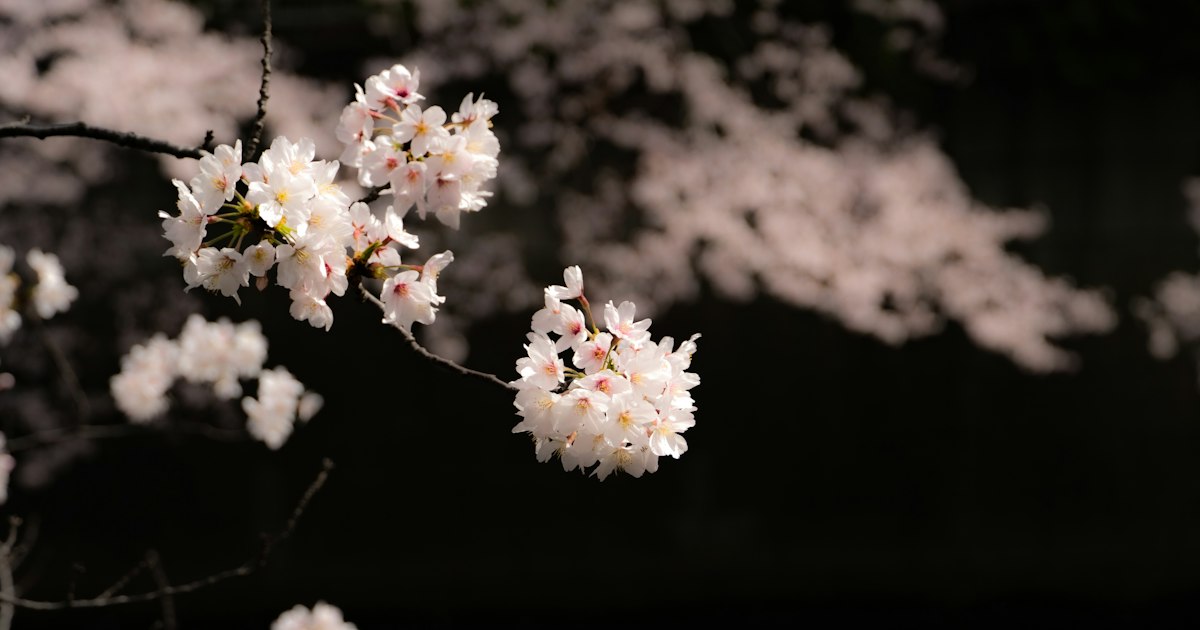
Photo by kaori kubota on Unsplash
Kakunodate, a small town tucked into the mountains of Akita Prefecture, is often billed as “Little Kyoto of Tohoku,” but that nickname undersells it. Unlike most preserved samurai districts in Japan, Kakunodate’s Bukeyashiki quarter still has real weeping cherry trees towering over its black wooden fences—some planted more than 350 years ago. It’s a half-day trip that rewards almost any season, but it becomes something extraordinary for about ten days in late April and again in mid-to-late October. Here’s what you actually need to know to plan the visit.
Getting to Kakunodate
Kakunodate sits on the Akita Shinkansen line, which makes it more accessible than its remote-sounding location suggests. The Komachi shinkansen runs directly from Tokyo Station in about 3 hours 10 minutes to 3.5 hours, with reserved-seat fares typically around ¥17,000–18,500 one way. If you’re coming from Akita City, the same Komachi train takes roughly 45 minutes and costs around ¥3,000. From Morioka, it’s about 45–50 minutes as well.
If you’re building a longer Tohoku itinerary, Kakunodate pairs naturally with Lake Tazawa (one stop further on the Komachi line) and with the Resort Shirakami sightseeing train, which runs along the Akita coastline and is one of the best scenic rail trips in the region. If flying into Akita Airport instead of taking the shinkansen the whole way, it’s worth comparing options on domestic carriers—our LCC vs. JAL/ANA comparison covers when a budget flight actually beats the train on longer hops from Tokyo or Osaka.
The station itself is a 10–15 minute walk from the samurai district. Rental bicycles are available right outside the station for around ¥300–500 per hour or roughly ¥1,500 for a full day, and they’re genuinely useful since the cherry-tree-lined river is about 1.5 km from the samurai houses.
The Samurai District (Bukeyashiki): What to See
The Bukeyashiki-dori is a roughly 400-meter street of former samurai residences, still shaded by soaring black pine and cherry trees. Walking the street itself is free, but several houses charge small admission fees to go inside:
- Aoyagi Family Samurai Manor – the largest and most elaborate complex, with multiple buildings and a small museum of armor, tools, and period artifacts. Admission is around ¥600. Open roughly 9:00 am–5:00 pm, with shorter winter hours.
- Ishiguro Family Samurai House – smaller and quieter, and notable because descendants of the original family still live there part-time. Admission is around ¥400.
- Matsumoto and Odano houses – more modest residences where you can usually peer into the gardens without an entry fee.
Budget travelers can see the whole street, including the cherry canopy, for free and just pick one paid house (Aoyagi is the best single choice if you only do one). Give the district 1.5–2 hours if you’re going inside a house or two; 45 minutes is enough for a walk-through only.
Weeping Cherries and the Best Time to Visit
The weeping cherries (shidarezakura) in the samurai district are a designated National Natural Monument—roughly 400 trees, many over 300 years old, descended from cuttings brought from Kyoto when a bride married into the Sano family generations ago. Because Akita is far north, Kakunodate blooms noticeably later than Tokyo or Kyoto: expect peak bloom in the last week of April to the first few days of May, rather than late March. Check seasonal forecasts close to your trip date since the window is short and weather-dependent.
Separately, along the Hinokinai River about a 15-minute walk from the samurai street, there’s a roughly 2 km tunnel of around 400 Yoshino cherry trees (Shidarezakura-bashi to Kakunodate Bridge). This is a different, pinker variety from the weeping cherries in town, and it usually blooms around the same window—visiting both in one afternoon is easy and worthwhile.
If you’re traveling outside cherry season, don’t skip Kakunodate. The same tree canopy turns deep red and gold in autumn, typically peaking from mid-to-late October through early November—which makes this a genuinely good time to visit right now. Winter brings heavy snow that dusts the black fences and thatched roofs, and summer gives you full green shade along the same street, with far fewer crowds than April.
Shopping for Kabazaiku Cherry-Bark Crafts
Kakunodate’s other claim to fame is kabazaiku, a traditional woodworking technique using cherry tree bark that dates back over 200 years to the local samurai, who made tea caddies and small boxes as a side income. It’s one of the more distinctive regional crafts in Japan and genuinely unlike what you’ll find elsewhere—if you’ve browsed the Sakai knife district in Osaka for craft souvenirs, this is Akita’s equivalent stop.
Several workshops and the Kakunodate Kabazaiku Museum (admission around ¥300) sit right along or near the samurai street, and most shops let you watch craftspeople working. Prices run from around ¥1,000–2,000 for small coasters or business card cases, ¥5,000–15,000 for mid-size tea caddies (chazutsu), up to ¥30,000–80,000+ for larger, finely grained pieces made from wild mountain cherry bark. The dark, semi-glossy texture is the real giveaway of authentic kabazaiku—cheaper printed imitations exist, so buy from the dedicated shops on or near Bukeyashiki-dori rather than generic souvenir stands near the station.
Food and Practical Tips
Akita’s regional noodle, inaniwa udon, is thinner and more delicate than standard udon and is served cold with a dipping sauce in summer; several small restaurants along the samurai street serve it for around ¥900–1,300. It’s a good, quick lunch between houses.
Common mistakes to avoid: don’t try to do Kakunodate as a rushed stop between shinkansen connections—allow at least 2.5–3 hours including travel buffer, more if you want to see both the samurai street and the riverside cherry tunnel. Also, don’t assume all samurai houses are open; a couple of smaller ones close on rotating days or in winter, so if a specific house matters to you, check ahead rather than discovering a shut gate. Finally, during the narrow late-April bloom window, both lodging in town and the shinkansen itself sell out well in advance—book your train seats and any overnight stay as early as you can if you’re targeting peak cherry season.