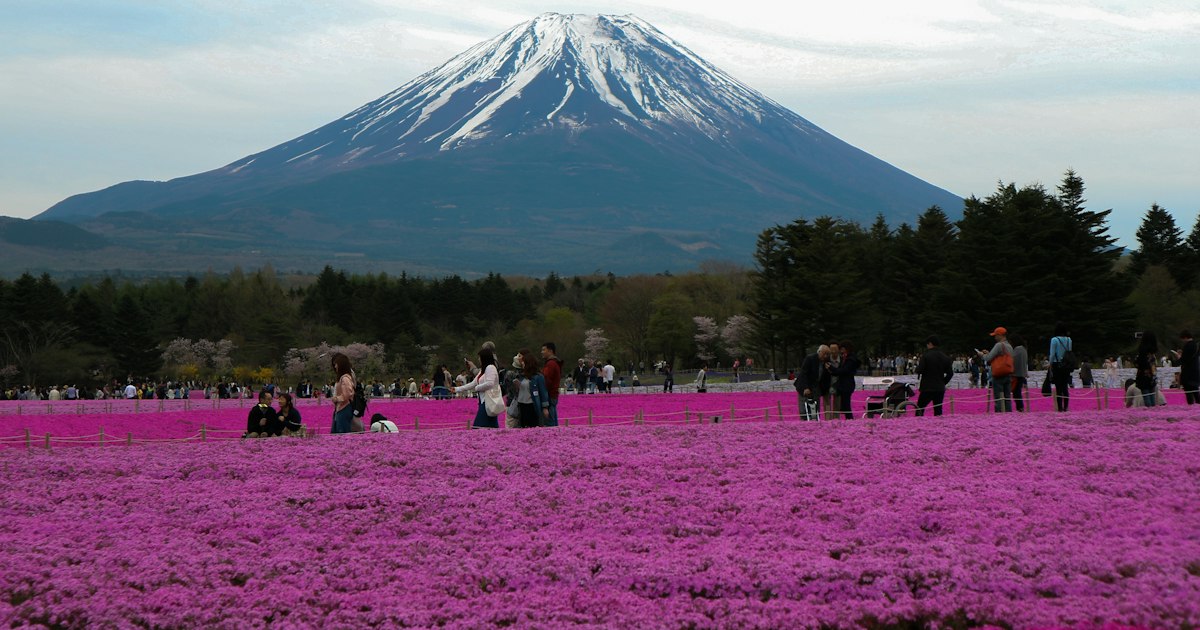
Photo by Athanasia Andrikopoulos on Unsplash
Less than ninety minutes from Ikebukuro by train, Chichibu is one of the easiest ways to swap Tokyo’s crowds for mountain air, a genuinely historic festival, and (depending on the season) a hillside carpeted in pink. It’s a working town in the Saitama mountains rather than a polished tourist set piece, which is exactly why it’s worth the trip — you get real shrine festivals, real soba shops, and real sake and whisky producers instead of a reenactment. Here’s how to time it right.
Getting to Chichibu from Tokyo
The main route is the Seibu Railway from Ikebukuro Station. The limited express “Laview” (also called the Red Arrow line) runs direct to Seibu-Chichibu Station in about 80 minutes, with a one-way fare plus reserved-seat surcharge totaling roughly 1,500–1,700 yen for adults. If you don’t mind a transfer at Hanno and a slower ride (around two hours), regular and rapid trains cost about 790 yen one-way and don’t require a reservation.
Seibu also sells a “Chichibu Free Kippu” discount ticket that bundles a round trip from Ikebukuro-area stations with unlimited local travel around Chichibu for a couple of days — useful if you’re combining the festival or flower fields with Nagatoro or a shrine-hopping day. Prices shift seasonally, so check the current fare at a Seibu ticket counter or their website before you go.
A second option is JR to Kumagaya (via the Takasaki or Shonan-Shinjuku Line), then the Chichibu Railway onward to Chichibu Station — slower, but it’s the line used by the seasonal “SL Paleo Express” steam train, a fun add-on if you enjoy scenic rail, similar in spirit to the sightseeing trains covered in our guide to Japan’s best scenic sightseeing trains. Note that Seibu-Chichibu Station and Chichibu Station (Chichibu Railway) are separate buildings about a 15-minute walk apart — know which one you need before you arrive.
The Chichibu Night Festival: One of Japan’s Three Great Float Festivals
Held every year on December 2 and 3, the Chichibu Yomatsuri (Night Festival) is ranked alongside the Takayama and Kyoto Gion festivals as one of Japan’s three most celebrated float festivals, and it’s part of the UNESCO-inscribed “Yama, Hoko, Yatai” float festival group. Four enormous wooden floats (yatai) and two parasol-shaped floats (kasaboko), some weighing several tons, are hauled through the streets by teams of parishioners with drummers and flute players riding aboard.
The climax comes on the evening of December 3, when the floats are physically dragged up a steep slope near Chichibu Shrine — a dramatic, rope-and-muscle spectacle lit by lanterns — while a fireworks display lights the winter sky, an unusual pairing since fireworks in Japan are normally a summer event. The main action runs roughly 7–9 pm, and the whole thing is free to watch with no tickets or reservations needed.
The catch: hundreds of thousands of people attend over the two days, and it’s December in the mountains, so temperatures drop well below what Tokyo visitors expect. Dress in proper layers, bring hand warmers, and expect to be standing in a packed crowd for hours. Arrive at the shrine area well before dark if you want a clear view of the climb, and plan your return train in advance — services back toward Ikebukuro get crowded and thin out as the night goes on.
Shibazakura Hill: Hitsujiyama Park’s Pink Carpet
If December crowds and cold aren’t your thing, come back in spring. Hitsujiyama Park — known locally as “Shibazakura Hill” — fills roughly 17,600 square meters with about 400,000 moss phlox (shibazakura) plants across nine color varieties, arranged in sweeping bands of pink, white, and purple with Mt. Buko rising behind as a backdrop.
Bloom season typically runs from mid-April through early May, peaking around Japan’s Golden Week holidays, though exact dates shift with the weather each year — check the official bloom-status updates before committing to a date, since a cold spring can push the peak back by a week or two. During the festival period there’s an entrance fee of around 300 yen for adults; outside that window the park is free to enter but the flowers won’t be in bloom.
The park is an easy walk from either Seibu-Chichibu Station (about 15–20 minutes) or Ohanabatake Station on the Chichibu Railway, which is only a few minutes from the entrance and the better choice if you’re carrying camera gear or traveling with kids.
Beyond the Headliners: What Else to Do in Chichibu
Chichibu rewards a full day. Chichibu Shrine itself is worth a slow look even outside festival season, with carved wooden panels depicting local legends. Mitsumine Shrine, higher in the mountains, is a quieter pilgrimage site with sweeping views if you have extra time and don’t mind a bus transfer. Nagatoro, one stop further on the Chichibu Railway, is popular for river-rafting and seasonal illuminations and pairs well with a Chichibu morning.
Serious whisky fans should know Chichibu is home to Venture Whisky’s Chichibu Distillery, maker of the internationally acclaimed Ichiro’s Malt — tours and tastings exist but require reservations well in advance and sell out fast, so this is a plan-ahead splurge, not a walk-in option. Local soba shops near the shrine serve the region’s buckwheat noodles, a specialty worth seeking out — if you’re curious about Japan’s broader noodle traditions, our piece on toshikoshi soba is a good companion read given how close the Night Festival falls to New Year.
Budgeting Your Day Trip
- Budget (~3,000–4,000 yen total): Regular Seibu trains (skip the limited express), walk between sights, grab breakfast or coffee from a convenience store before you leave — our guide to convenience store coffee machines is handy if you’re making an early departure from Tokyo.
- Mid-range (~6,000–8,000 yen): Limited express round trip with reserved seats, a sit-down soba lunch (1,200–1,800 yen), Shibazakura entry fee in season, and a stop at a local sake or craft beer shop.
- Splurge (15,000 yen+): A reserved Chichibu Distillery tour and tasting, a private taxi to skip the Night Festival crowds, or an overnight stay at a local ryokan so you’re not racing for the last train home.
Common Mistakes to Avoid
- Assuming shibazakura dates are fixed — they move with the weather each year, so check current bloom reports rather than relying on last year’s calendar.
- Underestimating December cold at the Night Festival — this is a mountain town after dark, not central Tokyo.
- Confusing Seibu-Chichibu Station with Chichibu Station — they serve different railway companies and are a 15-minute walk apart.
- Not checking last-train times back to Tokyo on festival nights, when trains fill up fast and gaps between departures widen late in the evening.
- Showing up at Venture Whisky’s distillery without a reservation — tours there don’t accept walk-ins.