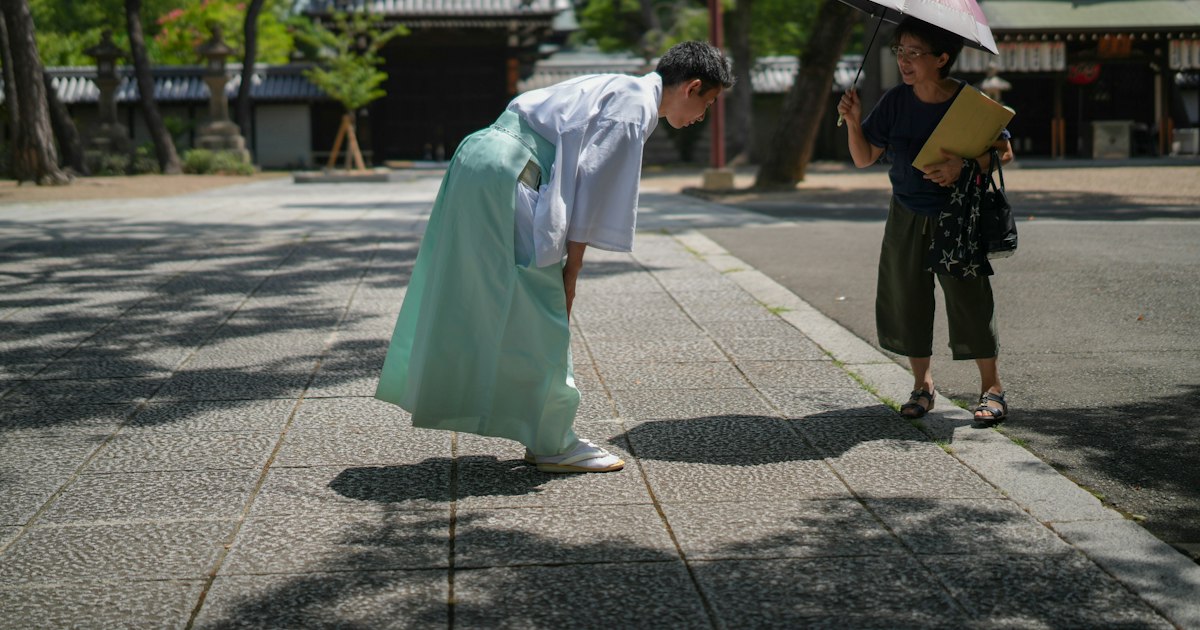
Every autumn, Japanese shrines fill with small children in kimono and hakama, clutching bags of candy almost as big as they are, while grandparents trail behind with cameras. This is Shichi-Go-San (“Seven-Five-Three”), a rite-of-passage festival that marks milestone ages for children. If you’re traveling in Japan between mid-October and late November, you’ll likely stumble across it at any major shrine—and understanding what you’re seeing (and how to photograph it respectfully, or even join in if you have kids) makes the experience much richer.
What Is Shichi-Go-San?
Shichi-Go-San celebrates children turning 3 (boys and girls), 5 (traditionally boys), and 7 (traditionally girls), based on ages that trace back to Edo-period customs around infant survival and childhood milestones—3 for when children were first allowed to grow their hair, 5 for a boy’s first time wearing hakama, and 7 for a girl’s first time wearing a proper obi sash instead of a child’s cord. Families visit a Shinto shrine to give thanks for the child’s health and pray for continued growth. The ritual itself is simple: a shrine blessing (called oharai or gokigan), a stroll around the grounds in formal dress, and a bag of chitose-ame—”thousand-year candy,” a long red-and-white striped stick of hard candy packed in a paper bag printed with cranes, turtles, and pine, all symbols of longevity.
It’s a family affair rather than a public spectacle, so there’s no parade or ticketed event—just a steady stream of dressed-up kids and relatives at shrines nationwide, especially on weekends.
When to Go: Timing and Crowds
The traditional date is November 15, but almost nobody actually goes that day anymore. Modern families book whichever weekend in October or November suits everyone’s schedule, which means the celebration effectively spans early October through early December, peaking on the Saturdays and Sundays surrounding November 15 (which falls on a Sunday in 2026, so expect that weekend and the one before it to be especially busy). Shrines are typically open to visitors from sunrise to sunset for general grounds access, but the kigansho (blessing office) where families register for a formal blessing usually operates around 9:00 to 16:00, with specific time slots assigned on busy weekends.
If you want to photograph the festival without a crowd, go on a weekday in October—many families celebrate early to avoid the November rush and to get better rates from photo studios. If you’re more interested in seeing the festival at full scale, a Sunday in mid-November at a major shrine is unbeatable, but arrive before 11:00, as that’s when things peak.
Best Shrines to Visit
Any neighborhood shrine will have some Shichi-Go-San activity, but a few are known for drawing crowds and putting on a good show:
- Meiji Jingu (Tokyo) — Harajuku’s grand forest shrine sees a steady flow of families all autumn. Nearest station is Harajuku (JR Yamanote Line) or Meiji-jingumae (Chiyoda/Fukutoshin lines), both about a 1-minute walk to the entrance. Grounds are free and open roughly 5:00–18:00 depending on the season.
- Tokyo Daijingu (Chiyoda) — A smaller, quieter shrine near Iidabashi Station popular for formal family rites; good if you want to watch without the Meiji Jingu-scale crowds.
- Kasama Inari Shrine (Ibaraki) — One of Japan’s three major Inari shrines, with a lively Shichi-Go-San season and easy access by local train from Tokyo.
- Dazaifu Tenmangu (Fukuoka) — A major regional draw in Kyushu; reachable via Nishitetsu Dazaifu Line from Fukuoka.
- Fushimi Inari Taisha (Kyoto) — Famous for its torii tunnels, it also hosts plenty of Shichi-Go-San visits on weekends, though the main draw of tourists there is year-round, not festival-specific.
If your own trip itinerary includes Kyushu or Fukuoka, families sometimes buy a traditional Hakata ningyo clay doll as a keepsake gift for the celebrated child—you can read more about where to find them in our guide to Hakata Ningyo dolls.
Kimono, Chitose-Ame, and Photos: What It Costs
For visiting families or anyone curious about the economics of the day, here’s roughly what Japanese parents budget for:
- Shrine blessing fee (hatsuho-ryo): typically ¥5,000–¥10,000 per child, paid in an envelope at the shrine office when you register for the ceremony.
- Kimono rental for the child: ¥8,000–¥20,000 for a half-day rental including obi, zori sandals, and accessories; many photo studios bundle this into their package.
- Chitose-ame: often included free with the shrine blessing, or purchased separately for a few hundred yen at the shrine’s souvenir counter.
- Professional photography: studios like Studio Alice run Shichi-Go-San packages from around ¥20,000 for a basic print set up to ¥60,000–¥100,000+ for premium packages with multiple outfit changes, hair styling, and framed prints.
If you’re a visiting family wanting to do this for your own child while in Japan, some shrine-adjacent rental shops and studios do accept walk-ins or English-language bookings, but reserving a few weeks ahead for a November weekend is strongly advised.
Common Mistakes to Avoid
A few things trip up visitors—and occasionally Japanese families too:
- Assuming it must happen on November 15. It doesn’t; the actual date is flexible, and most families pick a convenient weekend within a two-month window.
- Not booking the kimono rental and photo studio together in advance. Walk-in availability on peak weekends is thin, and prices are usually higher without a package deal.
- Treating it as a public performance. It’s a private family ritual happening in a public space—feel free to admire from a respectful distance, but avoid stepping into family photos or blocking the shrine’s blessing queue to take your own shots.
- Underestimating how tired small children get. Formal kimono and hakama are hot and restrictive; most families keep the shrine visit short and save the sit-down meal or studio session for when the child can change into comfortable clothes.
- Confusing it with Kodomo no Hi. Shichi-Go-San (autumn, shrine-based, age milestones) is a different holiday from Kodomo no Hi, Japan’s Children’s Day in May, which involves koinobori carp streamers rather than shrine blessings.
Budget, Mid-Range, and Splurge Options
For travelers who want to experience Shichi-Go-San customs themselves rather than just observe:
- Budget (~¥3,000–¥8,000): Visit a neighborhood shrine, buy chitose-ame from the souvenir stand, and simply observe the ritual respectfully from the shrine courtyard—free aside from any omiyage you pick up.
- Mid-range (~¥20,000–¥40,000): Rent a child’s kimono from a shrine-adjacent rental shop, pay the blessing fee, and take your own photos around the shrine grounds.
- Splurge (¥60,000+): Book a full-service photo studio package near a major shrine like Meiji Jingu, including professional hair and makeup, multiple costume changes, and framed prints—then combine the outing with formalwear shopping along nearby Omotesando, a short walk from the shrine.
Whether you’re watching from the sidelines or celebrating your own child’s milestone, Shichi-Go-San is one of the more intimate, unscripted cultural moments you can witness in Japan—no ticket required, just good timing and a quiet camera.