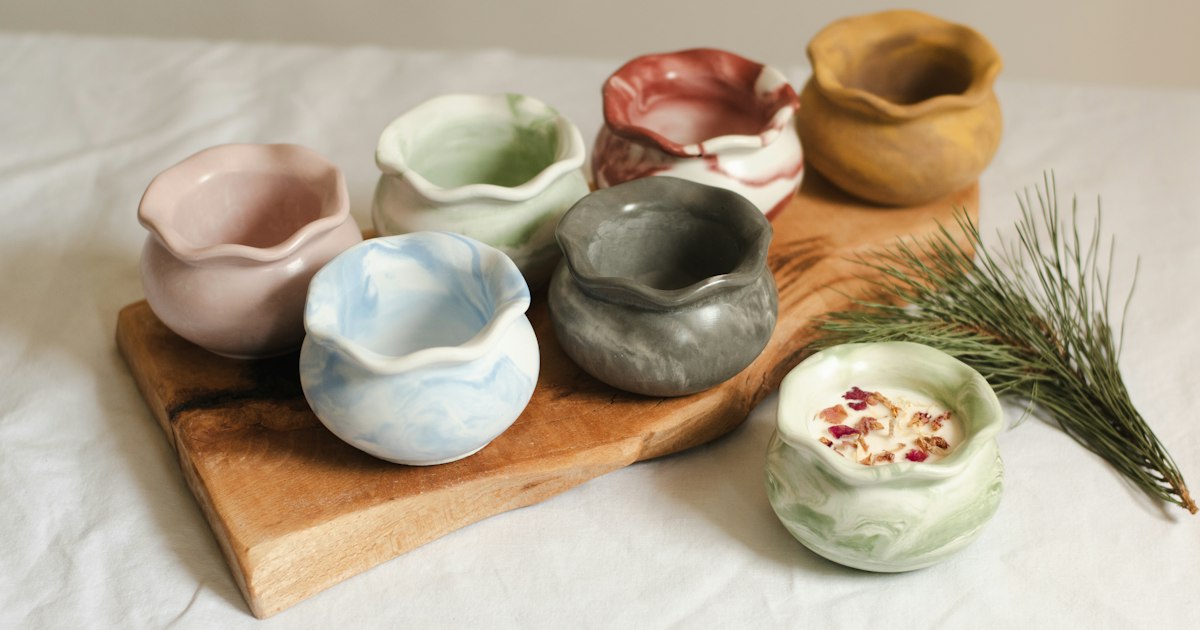
Photo by Ionela Mat on Unsplash
If you’ve ever eaten goma-dare at a Japanese restaurant and wondered why the sesame sauce tastes so much richer than the bottled stuff at home, the answer is usually a suribachi. This ridged ceramic bowl and its wooden pestle, the surikogi, are the low-tech tool behind some of Japan’s most distinctive flavors — and they’re cheap, light enough to pack, and genuinely useful once you’re home. Here’s what they are, what to buy, and where to find one on your trip.
What Is a Suribachi and Surikogi
A suribachi is a conical ceramic bowl with a glazed exterior and an unglazed, deeply grooved interior. Those grooves — cut in a crosshatch or spiral pattern and called kushime — are what makes it a grinding tool rather than just a bowl. The surikogi is the pestle that works against those grooves, almost always made from sansho (Japanese pepper tree) wood because it’s hard, doesn’t splinter, and doesn’t impart any flavor of its own. Cheaper surikogi use other woods like cherry, but sansho is considered the standard for a reason.
Together they’re Japan’s answer to the mortar and pestle, but shaped specifically for seeds and small amounts of food rather than crushing spices or herbs in bulk.
Why Sesame, Specifically
Roasted sesame seeds (iri-goma) are slippery and small — in a smooth mortar they just spin around instead of breaking open. The grooves of a suribachi grip the seeds as you rotate the pestle in a circular motion, cracking the hulls and releasing their oil. A few minutes of grinding turns whole roasted sesame into suri-goma, a coarse, fragrant paste that’s the base for goma-dare (sesame dipping sauce for shabu-shabu and cold noodles), goma-ae vegetable salads, and dengaku-style miso toppings. If you’ve looked into Japanese condiments before, this is also where a lot of the sesame in a good furikake rice seasoning gets its depth, and the same bowl is handy for loosening up miso into a smooth dressing for nuta or dengaku.
It’s not a one-trick tool — people also use it for grinding walnuts, making tororo smooth, or mashing tofu for shira-ae — but sesame is the classic, everyday use case, and it’s the one most worth trying if you’ve never used one.
Choosing a Size
Suribachi are traditionally measured in sun (寸, roughly 3cm each), and the size you need depends on quantity, not elegance:
- 3–4 sun (about 9–12cm): single servings — enough sesame for one or two portions of goma-ae.
- 5–6 sun (about 15–18cm): the practical home-kitchen size, good for a family-sized batch of goma-dare or dressing.
- 7 sun and up: used in restaurant kitchens; overkill for most home cooks and genuinely harder to grind a small amount of seeds in, since they scatter across the extra surface area.
Buying “too big because it seems more useful” is the single most common mistake — a bowl that’s oversized for your usual batch makes grinding less efficient, not more.
Where to Buy One
You don’t need to visit a pottery town to get a decent suribachi, but if you’re in the area it’s worth it.
Tokyo — Kappabashi Kitchen Town: This strip of professional kitchenware shops near Asakusa (nearest station: Tawaramachi on the Ginza Line) is the easiest one-stop option. Shops like Kama-asa and Union sell suribachi from small home sizes up to restaurant-grade bowls over 20cm, usually alongside matching surikogi. Most shops open around 9:30–10:00am and close by 5:30–6:00pm, and some are closed Sundays, so a weekday morning visit is safest.
Mashiko, Tochigi: This is one of Japan’s best-known pottery towns and a major source of suribachi. From Tokyo, take the Tohoku Shinkansen to Utsunomiya (about 50 minutes; booking is easy through the Smart EX or Ekinet apps), then a local bus to Mashiko (around an hour). The town holds a pottery fair, Mashiko Toki Matsuri, twice a year — around Golden Week in early May and again in early November — when hundreds of stalls sell seconds and one-off pieces at a discount. It’s the best time to browse a wide range of suribachi sizes and glazes side by side.
Shigaraki, Shiga: Another major ceramics town (better known for its tanuki statues), reachable from Kyoto via Kusatsu, also produces solid, affordable suribachi.
Everyday options: Daiso and other 100-yen shops carry small ceramic or plastic suribachi-style bowls — fine for trying the technique before committing to a nicer one. Department store kitchen floors (Tokyu Hands, Loft) also stock mid-range sets.
What to Expect to Pay
- Budget (¥330–¥800): Small Daiso-style ceramic bowls, sometimes without a matching wooden pestle. Fine for learning, less satisfying to use long-term.
- Mid-range (¥1,500–¥4,000): A proper Mashiko-yaki or similar 5–6 sun suribachi with a sansho-wood surikogi, sold as a set at Kappabashi shops or pottery towns. This is the sweet spot for most travelers.
- Splurge (¥5,000–¥15,000+): Artisan pieces from named kilns, sometimes sold with a wooden stand to keep the bowl from sliding — more a piece of kitchenware-as-craft than a tool upgrade, but a nice souvenir if you want something distinctive.
Seasoning and Using a New One
A brand-new suribachi has loose grit in its unglazed grooves from the firing process. Before using it on food, grind a handful of uncooked rice or stale bread in it dry, discard the result, then rinse and dry thoroughly — this clears out any ceramic dust that would otherwise end up in your first batch of sesame. After that, grinding is simple: hold the bowl steady with one hand (most have small raised feet on the base for grip), and move the surikogi in a steady circular motion against the grooves rather than pounding straight down.
Common Mistakes and Care
- Soaking the pestle: Never leave the wooden surikogi sitting in water — it warps and can crack. Hand-wash quickly and dry standing up.
- Dishwasher or soap overload: Skip the dishwasher entirely (heat and detergent degrade the unglazed grooves and wood), and rinse soap out thoroughly — residue trapped in the grooves can carry over into your next batch of sesame.
- Letting it stay damp: Both pieces need to dry fully before storage, or the porous unglazed surface can pick up mold or odors.
- Oversizing: As above — match the bowl size to your typical batch, not your biggest hypothetical one.
Packed carefully (wrap the ceramic bowl well — it’s sturdy but not indestructible in checked luggage), a suribachi and surikogi are an easy, inexpensive souvenir that you’ll actually use, long after the trip is over, every time you want sesame that tastes like it came from a Japanese kitchen rather than a jar.