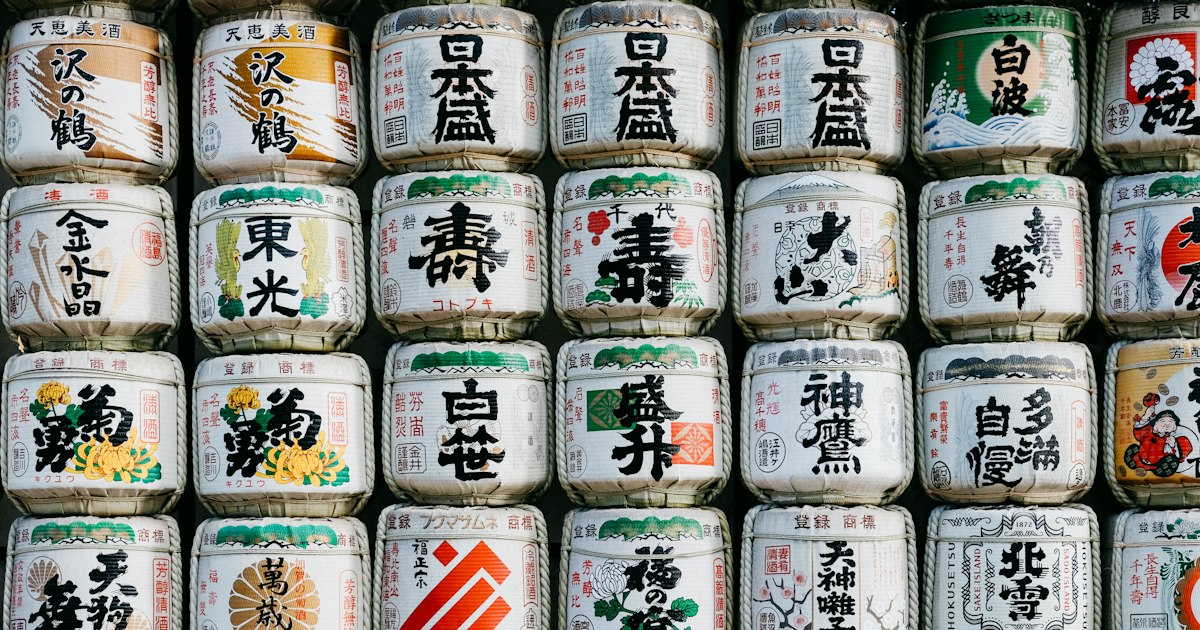
Photo by Leio McLaren on Unsplash
Walk into any Japanese supermarket and you’ll find an entire aisle of miso — dozens of tubs in red, beige, and deep brown, with labels that give no hint to a first-time buyer about which one to choose. Miso isn’t one product; it’s a category, shaped by region, grain, and fermentation time the way wine is shaped by grape and terroir. This guide breaks down the three base types, the regional styles worth seeking out, and where to buy paste that will actually taste different from what you can get at home.
The Three Base Types: Red, White, and Awase
Almost every miso you encounter falls into one of three categories, and understanding them solves 80% of the confusion at the shelf:
- Aka miso (red miso) — fermented longer (often 1-3 years), darker, saltier, and more savory. Good for hearty miso soup, simmered dishes like buta-jiru pork soup, and glazes that need to stand up to grilling.
- Shiro miso (white miso) — fermented for weeks to a few months, higher in rice koji, sweeter and milder. Best for light soups, dressings, and delicate dipping sauces.
- Awase miso (blended miso) — a mix of red and white, sold specifically to split the difference. If you only buy one tub for an everyday miso soup, awase is the safest, most versatile choice and what most households actually use day to day.
Within these three, the other variable that matters is the base grain: most miso is made with rice koji, but mugi miso (barley) is common in Kyushu and has a rounder, slightly sweet edge, while mame miso (soybean-only, no rice or barley koji) is the base of the Chubu region’s distinctive red pastes.
Regional Styles Worth Seeking Out
Miso is intensely regional — a Nagano household and a Kyoto household are not using the same product, even if both call it “miso.”
- Hatcho miso (Aichi) — a mame miso made in Okazaki for over 400 years, aged two years in cedar barrels weighted with river stones. It’s almost black, intensely umami, and barely sweet at all. Two historic breweries, Kakukyu and Maruya Hatcho, still operate within a few minutes’ walk of each other in Okazaki’s old town and run self-guided or short factory tours (roughly 9:00-17:00, small or no entry fee, closed on some weekdays — check ahead). Okazaki is an easy rail detour if you’re flying through Chubu Centrair Airport on the way to Nagoya.
- Shinshu miso (Nagano) — Japan’s biggest-volume miso style, a light rice miso with a clean, slightly tart flavor. This is likely the awase-style miso you’ve already eaten in a chain restaurant’s miso soup without knowing its origin.
- Saikyo miso (Kyoto) — a very sweet, very pale white miso with low salt content, traditionally used for saikyo-yaki (miso-marinated grilled fish) and in Kyoto kaiseki cooking. It’s the style behind many simmered tofu and vegetable dishes in the city, including the kind of miso-dressed tofu served alongside Nanzen-ji’s yudofu.
- Sendai miso (Miyagi) — a reddish-brown rice miso with a firmer, saltier profile, historically a samurai-era specialty that’s still a point of regional pride in Tohoku.
- Kyushu mugi miso — barley-based and mildly sweet, common across Fukuoka and Kumamoto; if you’re in Fukuoka trying mentaiko, look for mugi miso in the same local food shops.
Where to Buy It
Supermarkets are the budget option and genuinely fine for daily cooking: a 500g-1kg tub of mainstream awase or Shinshu miso runs roughly ¥300-600. Brands like Marukome and Hikari are reliable everywhere.
Department store basement food halls (depachika) stock a noticeably better tier — regional artisan brands in 500g-1kg tubs for about ¥700-1,500, often with tasting samples available at the counter.
Specialty kitchen and market stalls are where regional character really shows up. At Omicho Market in Kanazawa, several stalls sell Hokuriku-region miso alongside the seafood and knives, usually in smaller 300-500g packs (¥500-1,000) that are easier to fit in a suitcase. Miso breweries selling direct from the source — like the Okazaki shops above — are the splurge-but-worth-it option: aged, barrel-fermented Hatcho miso in a gift-boxed jar can run ¥1,500-4,000 for 500g-1kg, and some offer small sampler sets (¥1,000-2,000) if you want to compare red, white, and aged side by side before committing.
Reading the Label: Common Mistakes
A few things trip up first-time buyers:
- “Shelf-stable” vs. refrigerated — miso in a vacuum pouch on a dry shelf has usually been pasteurized or dosed with alcohol to stop fermentation, which flattens the flavor and aroma. Refrigerated tubs (in the chilled section, not the dry goods aisle) are live, unpasteurized miso and taste noticeably better. Always check the fridge case first.
- Dashi-iri miso — “miso with dashi already mixed in.” Convenient for quick soup, but it means you can’t control the stock separately, and the flavor is less clean. If you want to actually learn how dashi and miso interact, buy plain miso and make your own stock — our dashi buyer’s guide covers the kombu and katsuobushi basics.
- Assuming darker always means saltier or stronger — generally true, but Hatcho miso is dark and intense while some Sendai miso is lighter in color but still quite salty. Taste before you buy a large tub if a sample is offered.
- Buying too much — opened miso keeps for months refrigerated, but flavor does drift. Buy the smaller size unless you’re committed to using it regularly.
Best Time to Buy and How to Get It Home
There’s no strong seasonal window for buying miso itself — breweries age it year-round — but factory shops and market stalls are least crowded on weekday mornings, and depachika food halls are calmest right after opening (typically 10:00) before lunchtime crowds arrive. For travel, miso in a sealed tub is fine in checked luggage; it won’t leak if the lid is properly seated, and it’s not a restricted item for carry-on either, though liquids rules obviously don’t apply to a paste this thick — just don’t rely on that if an individual airline agent disagrees at the gate. If you’re island-hopping afterward, say toward Miyakojima or the Yaeyama Islands, pack miso in your main suitcase rather than a carry-on day bag to avoid any ambiguity at smaller regional airport security checks.
Quick Buying Guide by Budget
- Budget (¥300-600): supermarket awase miso, 500g-1kg — fine for everyday soup, no regional character.
- Mid-range (¥700-1,500): depachika or market-stall regional miso (Shinshu, Saikyo, Sendai) — worth the upgrade, noticeably more complex.
- Splurge (¥1,500-4,000): barrel-aged Hatcho miso or a brewery’s limited sampler set — buy this as a gift or for a dish where miso is the star, not background seasoning.
If you only bring home one jar, make it something you can’t easily buy outside Japan — an aged mame miso or a true Saikyo white miso will do far more for your cooking than another bag of instant soup packets.