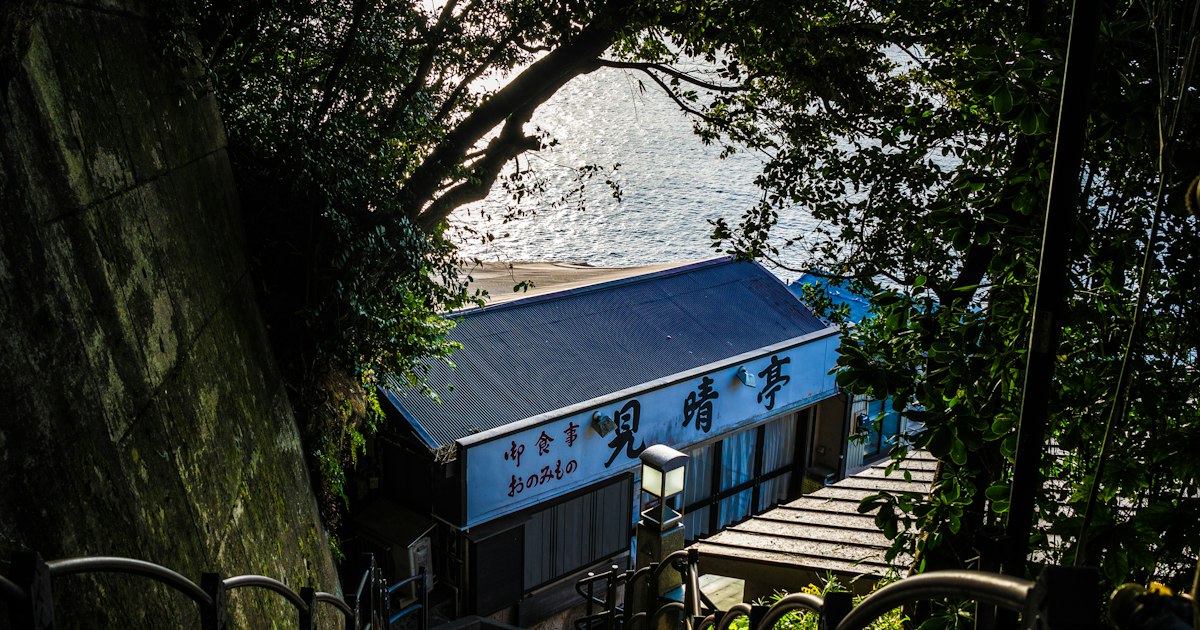
Photo by Lucius Hunter on Unsplash
If you’ve wandered the touristy lanes of Enoshima and spotted lines of people waiting outside small seafood restaurants for a bowl of rice topped with what looks like tiny silver fish, you’ve found shirasu don. It’s the signature dish of the Shonan coast — simple, cheap by Japanese dining standards, and genuinely different depending on the day you visit. Here’s what it actually is, where to eat it, and how to time your trip so you don’t end up disappointed.
What Is Shirasu Don?
Shirasu (しらす) are the tiny, nearly translucent juveniles of sardines and anchovies, caught in huge numbers in Sagami Bay, the stretch of water facing Enoshima and the Shonan coastline between Kamakura and Odawara. A “shirasu don” is simply a bowl of rice piled with these little fish, usually finished with grated ginger, shredded shiso leaf, sesame seeds, and a drizzle of soy sauce.
What makes it interesting is that shirasu is sold in two very different forms. Kamaage shirasu is boiled briefly in saltwater right after being caught — it’s soft, white, and available almost every day the fish were caught. Nama shirasu (raw shirasu) is unboiled and has a completely different texture: slightly sweet, slippery, and faintly briny, closer to a very delicate sashimi than anything cooked. Most restaurants offer a “half and half” bowl with both side by side so you can compare them in one sitting.
Where to Eat It in Enoshima
The best-known name is Tobiccho, which has several branches clustered around the base of Enoshima island near the Benten Bridge and shopping street — look for the building with a giant fish-shaped sign. Expect a wait of 30–90 minutes on weekends and holidays, especially around lunch; weekday visits cut that dramatically. A shirasu don there typically runs about ¥1,600–¥2,800 depending on whether you order the boiled-only version or a mixed raw-and-boiled bowl with extras like shrimp or sea bream.
Beyond Tobiccho, the narrow shopping street leading up to Enoshima Shrine (Enoshima Benzaiten Nakamise-dori) has several smaller shokudo-style restaurants serving shirasu don at similar prices, usually with shorter lines. Many of these places open around 10:00 or 11:00 and close in the early evening, roughly 19:00–20:00, so this is a lunch-and-early-dinner dish, not a late-night option.
Raw vs. Boiled: Reading the Menu
This is the detail most visitors miss. Raw shirasu is only sold on days when boats actually brought back a fresh catch that morning — it spoils quickly and isn’t frozen or shipped in. If the sea was rough, or the local fishery was between its seasonal fishing bans, restaurants simply won’t have it, no matter how good the restaurant is. Boiled (kamaage) shirasu, by contrast, is almost always available, since it’s more stable and often sourced over a slightly wider window.
Restaurants that have raw shirasu that day usually put up a handwritten sign or sandwich board out front saying so — in Japanese it’s written 生しらす (nama shirasu). If you don’t see that sign, assume raw isn’t on the menu and you’ll save yourself confusion when you sit down.
Best Season and Timing to Visit
Shirasu fishing in Sagami Bay generally runs from spring through autumn, roughly March to December, with a conservation closure in the coldest winter months (typically mid-January through early March, though exact dates shift slightly year to year) to protect stocks. Within that window, spring (April–June) is considered the prime season for raw shirasu, when the fish are smaller, sweeter, and the catch is most consistent.
Even in season, raw shirasu availability depends on weather day-to-day, so if trying nama shirasu specifically is the whole point of your trip, build in flexibility — don’t plan a single rushed visit on your only free afternoon. If you’re traveling in deep winter, go in expecting the boiled version only, and you won’t be let down.
Getting to Enoshima and Shonan
From central Tokyo, the easiest route is the Odakyu Line from Shinjuku to Katase-Enoshima Station (about 70–90 minutes; the limited-express Romancecar cuts this down and requires a seat reservation fee). Alternatively, take the JR Tokaido Line or Shonan-Shinjuku Line to Fujisawa Station, then switch to the Enoshima Electric Railway (Enoden) to Enoshima Station — a slower but scenic option, since the Enoden runs right along residential streets and the coast. The Shonan Monorail also connects Ofuna to Shonan-Enoshima Station if you’re coming from Kamakura or Yokohama first.
From Enoshima Station or Katase-Enoshima Station, it’s a 10–15 minute walk to the island’s entrance and the restaurant cluster at its base. Many visitors combine Enoshima with a Kamakura day trip, since the two are only about 10–15 minutes apart by Enoden.
Common Mistakes to Avoid
- Going only for raw shirasu without a backup plan. If it’s not available that day, have the boiled version or a mixed seafood bowl in mind instead.
- Showing up at peak lunch on a weekend. Arrive before 11:30 or after 14:00 to avoid the worst of the queue at popular spots like Tobiccho.
- Assuming every restaurant takes cards. Several of the smaller, family-run shirasu shokudo on the shopping street are cash-only or card-only above a minimum spend — it’s worth carrying cash, and knowing how to pull it from a Japan Post Bank ATM in a pinch.
- Forgetting the walk involves stairs and slopes. Enoshima island itself is hilly, with staircases up to the shrine and lookout points; if mobility is a concern, it’s worth looking into renting a wheelchair or mobility scooter in Japan before you go, since there’s no local rental option on the island itself.
Budget, Mid-Range, and Splurge Options
On a tight budget, look for shirasu-topped rice balls, shirasu toast, or small cups of shirasu sold at stalls along the shopping street for a few hundred yen each — a quick taste without committing to a sit-down meal. For a standard mid-range meal, a sit-down shirasu don at one of the shokudo near the island entrance runs roughly ¥1,500–¥2,500 and comes with miso soup and pickles. For a splurge, several restaurants offer a “gozen” set that pairs a smaller shirasu don with sashimi, grilled fish, or local Shonan shirasu paired with sakura ebi (tiny pink shrimp, another Sagami Bay specialty) — these sets typically run ¥3,000–¥4,500 and make for a proper seafood lunch rather than a quick bite.
Shirasu don won’t take up more than an hour or two of a Kamakura–Enoshima day trip, but it’s one of the few dishes in the Tokyo day-trip radius that genuinely changes character depending on the weather and the season — which is exactly what makes it worth timing your visit around, rather than treating it as a guaranteed souvenir meal.