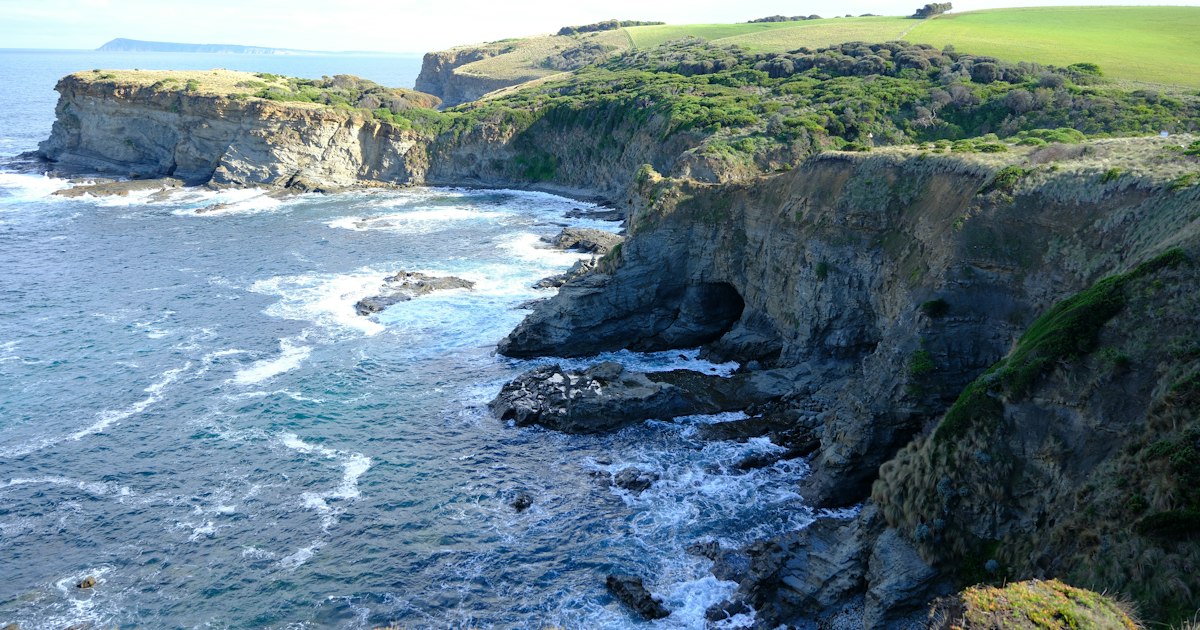
Photo by Walter Coppola on Unsplash
Four hours by ferry from the Shimane coast, the Oki Islands feel like a different country — windswept cliffs, grazing cattle on seaside pastures, and villages where the last ferry of the day genuinely matters. Designated a UNESCO Global Geopark in 2013, this small archipelago in the Sea of Japan rewards the effort it takes to reach it, but that effort is real: this is not a destination you improvise. Here’s what you need to know to plan it properly.
Where the Oki Islands Are and Why They’re Special
The Oki Islands sit roughly 40-80km off the coast of Shimane Prefecture, split into two groups: Dogo, the large, round main island, and the Dozen group — three smaller islands (Nishinoshima, Nakanoshima, and Chiburijima) clustered together to the west. The whole archipelago is volcanic in origin, and millions of years of erosion have carved the kind of dramatic sea cliffs and caldera-rim scenery that earned the UNESCO Global Geopark designation. Unlike Japan’s more polished geopark sites, Oki still feels lightly visited — most tourists here are domestic hikers, divers, and retirees on slow travel, not tour buses.
Getting There: Ferries and Flights
There is no bridge and no train — you’re arriving by sea or air, and both options need to be booked with the schedule in hand rather than decided on the fly.
- Ferry: Oki Kisen operates the crossing from Shichirui Port (near Matsue) and Sakaiminato Port (Tottori side) to Saigo Port on Dogo and on to the Dozen islands. The high-speed “Rainbow” jet does Sakaiminato-Dogo in about an hour for roughly ¥6,500-7,000 one-way (2nd class); the regular car ferries take 2.5-3 hours and cost closer to ¥3,000-3,500 one-way. Ferries run once or twice daily depending on season and are frequently cancelled or delayed in rough winter seas — build in a buffer day if you’re connecting to a flight home.
- Flight: ANA flies to Oki Airport on Dogo from Osaka (Itami) and from Izumo, with flight time around 30-50 minutes. Fares vary widely by how far ahead you book, from roughly ¥12,000 to ¥25,000+ one-way. This is the more reliable option in winter, though smaller aircraft mean it’s also more weather-sensitive than you’d expect.
Most visitors base themselves on Dogo first, then take the inter-island ferry (a separate, smaller service connecting Dogo and the three Dozen islands) to reach Nishinoshima’s cliffs — budget a full day for that leg alone.
Getting Around the Islands
Public buses exist but run infrequently and aren’t built around tourist sightseeing routes. Renting a car at Saigo Port or Oki Airport is close to essential if you want to see more than the port town — expect around ¥6,000-9,000 per day for a compact car, and reserve well ahead in July-August and during Golden Week, when the handful of rental counters sell out. On Nishinoshima and the smaller islands, car rental is even more limited, so some visitors book a local taxi tour or join a minibus sightseeing course instead. If you’re relying on a rental car for mobility needs, note that accessible vehicle options here are far scarcer than in mainland Japan — check our guide on renting a wheelchair or mobility scooter in Japan if that’s a factor, since island terrain around the cliffs is largely unpaved and not wheelchair-friendly.
The Must-See Natural Sights
Nishinoshima’s Kuniga coast is the headline act: Matengai Cliff, at around 257 meters, is one of Japan’s tallest sea cliffs, and a walking trail along the top takes you past cows and horses grazing right at the cliff edge with nothing but ocean beyond them — genuinely vertiginous and unlike anywhere else in the country. On Dogo, the sightseeing boat to Candle Rock (Rosoku-jima) is the other must-do: on calm evenings close to sunset, boats position so the sun appears to balance directly on top of the rock pillar, lighting it up like a candle flame. Tours run roughly ¥3,000-3,500 per person, depend entirely on clear weather and calm seas, and are typically only bookable same-day or one day ahead through local operators at Saigo Port — ask your accommodation to help arrange it, as English booking online is limited.
Best Season and Weather Considerations
Late April through October is the reliable window, with May-June and September-October offering the best combination of mild temperatures and calmer seas for ferry crossings and boat tours. July-August brings peak domestic tourism (and diving season — the waters here are known for clarity) along with higher humidity; this is also when mosquitoes and biting insects are at their worst on the grassy cliff trails, so it’s worth packing repellent — see our rundown of what actually works in Japan’s mosquito repellent aisle. Winter (December-March) sees the Sea of Japan turn rough, with frequent ferry cancellations and flights more exposed to wind delays; it’s also when the islands’ famous crab and other winter seafood are at their best, similar to the seasonal logic behind Japan’s winter snow crab season, but it’s a trip for travelers with flexible schedules, not tight itineraries.
Where to Eat and What to Buy
Oki beef (Oki-gyu) rivals better-known wagyu brands at a fraction of the price and reputation — look for it at restaurants near Saigo Port. Sazae (horned turban shell), grilled or in rice, is the signature seafood, along with Oki salt produced by traditional evaporation methods, sold in small shops as a souvenir. Oki soba, a firmer buckwheat noodle than the mainland style, is served at simple lunch counters island-wide for around ¥700-900 a bowl. Anglers will find the islands are genuinely excellent for shore and boat fishing thanks to the clean, deep water — if you want to try it, our guide to rental gear, licenses, and where tourists can fish in Japan covers what’s needed before you cast a line here.
Practical Tips and Common Mistakes
The single biggest mistake visitors make is underestimating inter-island logistics: the Dozen ferry doesn’t run on a frequent loop, and missing the one return sailing of the afternoon can strand you overnight unplanned. Cash still matters more here than in Tokyo or Osaka — many small restaurants, minshuku, and the boat tour operators are cash-only or accept only limited digital payment, so don’t assume QR code payments like PayPay or Rakuten Pay will cover you everywhere. ATMs are limited to the main settlements on Dogo and Nishinoshima, so withdraw what you need before heading to the smaller villages — Japan Post Bank ATMs are your most reliable option island-wide, and it’s worth knowing how foreign cards actually work at them before you need the cash urgently. If you’re coming from a rugged-coastline trip elsewhere in Japan and comparing notes, Oki shares a lot of DNA with the Noto Peninsula’s remote fishing towns — both reward travelers willing to rent a car and slow down, but Oki’s ferry dependency makes advance planning even more important. Book accommodation early: the islands have a genuinely small number of ryokan and minshuku rooms, and they fill fast around regional festivals and summer weekends.