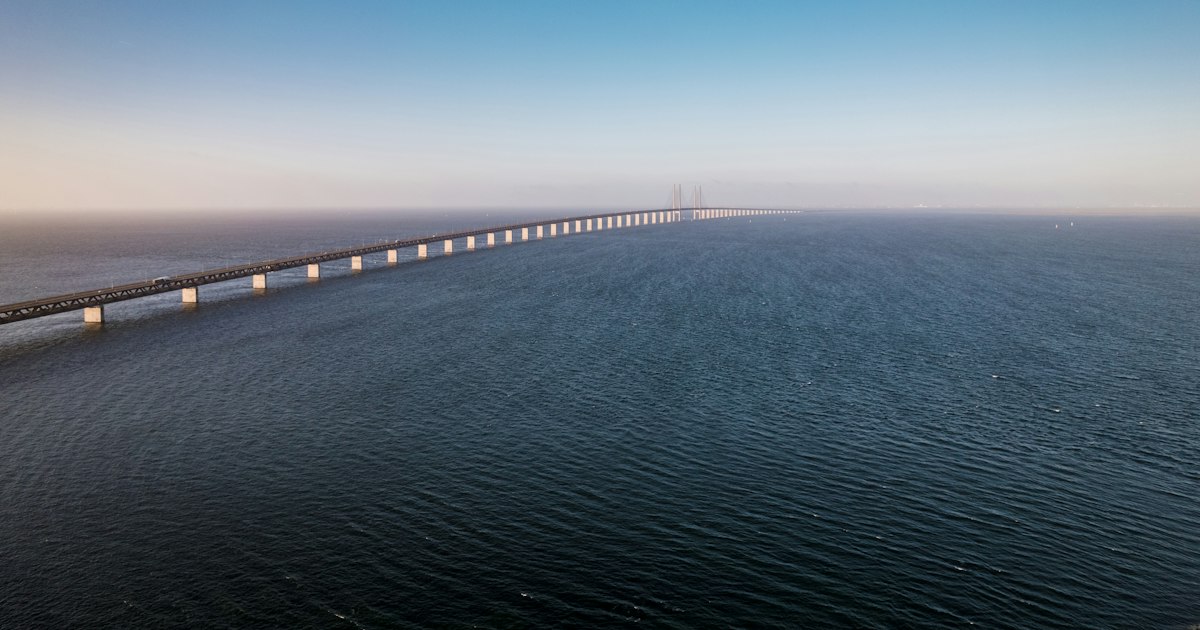
Photo by Julian Hochgesang on Unsplash
Awaji Island sits in the Seto Inland Sea between Kobe and Tokushima, connected to the mainland by one of the world’s longest suspension bridges rather than by train. That makes it an easy-to-reach but easy-to-underestimate day trip: there are onion fields rolling right up to the coastline, a flower garden designed by one of Japan’s most famous architects, and a glass-floored walkway where you can watch one of the planet’s largest tidal whirlpools churn below your feet. Here’s how to actually plan the visit.
Getting to Awaji Island
There is no rail line onto Awaji. The island is reached via the Akashi Kaikyo Bridge, a suspension bridge with a central span of nearly 2 km that links Maiko, on the Kobe side, to Awaji’s northern tip. Most visitors arrive one of two ways:
- Highway bus — Direct buses run from Sannomiya (Kobe) and from Osaka (Umeda/Shin-Osaka area) to stops like Awaji-IC or Higashiura Bus Terminal, taking roughly 60–90 minutes depending on origin and traffic. One-way fares are typically in the ¥1,500–2,500 range.
- Rental car — Because Awaji’s main sights are spread across a fairly large island, a car is genuinely useful if you want to see more than one attraction in a day. Rental counters exist near Sannomiya and at a few spots on the island itself; tolls across the bridge add a few thousand yen each way.
If you’re coming from Kobe, it’s worth building in time at Nankinmachi Chinatown near Sannomiya before or after, since most buses to Awaji depart from that same station area.
Onion Fields and Awaji’s Famous Sweet Onions
Awaji tamanegi (Awaji onions) are a genuine point of local pride — the island’s mineral-rich soil and climate produce an unusually sweet, mild onion that shows up in everything from curry to ice cream at local shops. Harvest season runs roughly April through May, when you’ll see fields of onions drying on their stalks along the island’s back roads, especially in the central and southern areas around Sumoto and Minamiawaji.
You don’t need a special itinerary to see them — they’re visible from ordinary roads and from the Awaji Service Area on the expressway, which also sells onion-based snacks (onion soup, onion curry bread, onion ice cream) and bags of fresh onions for around ¥300–500. Farm stands elsewhere on the island sell them even cheaper directly from growers. Note that this is a working agricultural landscape, not a tourist park — enjoy the view from the road rather than walking into private fields.
Awaji Yumebutai and Hanasajiki: The Island’s Flower Parks
Awaji has two flower-focused sites worth knowing about:
- Awaji Yumebutai — A conference and garden complex near the Akashi Kaikyo Bridge designed by architect Tadao Ando, built partly as a memorial after the 1995 Great Hanshin earthquake. Its centerpiece is the Hyakudanen, a “hundred-step garden” terraced down a hillside and planted with rotating seasonal flowers. Walking the garden terraces is free; some indoor facilities within the complex charge separately.
- Awaji Hanasajiki — A large, free hilltop flower park overlooking Osaka Bay, most famous for its spring nemophila (baby blue eyes) fields in April and cosmos in autumn (September–October). It’s dog-friendly and makes for an easy, no-cost stop with genuinely good photo views back toward the mainland. Hours run roughly 9:00–17:00, with seasonal variation, so check ahead if visiting early or late in the day.
If you’re traveling with kids, Nijigen no Mori, an anime- and manga-themed park elsewhere on the island, is a popular add-on, though it’s a separate paid attraction rather than part of the flower park circuit.
Naruto Whirlpools: Uzu no Michi and Boat Tours
The Naruto whirlpools (Naruto no Uzushio) form in the Naruto Strait between Awaji and Tokushima, where tidal currents from the Pacific and the Seto Inland Sea collide under the Onaruto Bridge. There are two main ways to see them:
- Uzu no Michi — A walkway suspended under the Onaruto Bridge on the Awaji side, with glass floor panels that let you look straight down at the strait. Admission is around ¥510 for adults, and it’s open roughly 9:00–18:00 (shorter hours outside peak season). This is the easier, cheaper option if you’re staying on the Awaji side.
- Boat tours — Larger sightseeing boats (Wonder Naruto) and a glass-bottomed semi-submarine boat (Aqua Eddy) depart from the Tokushima side near the Naruto Park area, putting you much closer to the actual whirlpools. Fares run roughly ¥1,800–2,500 for adults. This requires crossing onto the Tokushima side, so it adds time if you’re based on Awaji.
The single most important thing to know: the whirlpools are tide-dependent. They’re strongest around spring tides (near the new and full moon) and at specific times each day when the tidal flow peaks — not a constant, always-on spectacle. Uzushio Kisen, the boat operator, publishes a tide/viewing time calendar online; check it before you go, because visiting at a slack tide can mean a nearly flat strait with no whirlpools at all.
Best Time to Visit
Spring (late March through May) is the strongest all-around season: nemophila blooms at Hanasajiki, onion harvest is visible across the island, and weather is mild for walking the Yumebutai terraces. Autumn (late September–October) is a good second choice for cosmos at Hanasajiki and comfortable temperatures. Whichever season, the whirlpools can be seen year-round — timing within the day matters far more than the time of year, so plan that piece around the tide calendar rather than the calendar date.
Budget, Mid-Range, and Splurge Options
- Budget: Take the highway bus, walk Awaji Hanasajiki for free, and pick up a bag of onions from a farm stand (~¥300–500). Skip Uzu no Michi and just view the Onaruto Bridge from the Awaji-side rest areas.
- Mid-range: Rent a car for the day, pay the Uzu no Michi entrance (~¥510), walk the Yumebutai gardens, and have an onion-centric lunch (onion curry or onion-topped beef) at a roadside restaurant.
- Splurge: Stay overnight at the Westin hotel within the Yumebutai complex, or cross to the Tokushima side for a whirlpool boat cruise (Wonder Naruto or Aqua Eddy) timed to peak tidal flow, paired with an Awaji beef dinner.
Common Mistakes to Avoid
- Assuming there’s a train. There isn’t — plan around the highway bus schedule or a rental car, not a rail pass.
- Ignoring the tide calendar. Showing up to view whirlpools at the wrong time of day is the single biggest letdown visitors report. Check the published tide times before committing to a boat tour or Uzu no Michi visit.
- Underestimating the island’s size. Awaji’s attractions are spread across a large island with limited public transit between them; without a car, pick one or two sights per day rather than trying to see onions, flowers, and whirlpools all in one trip.
- Visiting outside onion season expecting field views. The visible drying fields and harvest activity are mainly an April–May phenomenon; later in the year the fields look like ordinary farmland.
- Running low on cash. Many farm stands and smaller restaurants on the island are cash-only — if you’re not carrying enough yen, see this guide on using foreign cards at Japan Post Bank ATMs before you leave the mainland, since ATM options thin out once you’re on the island.
Awaji rewards a slow pace more than a checklist — even hitting just the flower park and the whirlpool walkway in a single day, with a bag of onions in your bag for the trip home, makes for one of the more distinctive day trips out of the Kobe–Osaka area. For a similar low-key Kansai day trip with different scenery, Lake Biwa is worth comparing if you have a second free day. Anglers on the island can also look into rental fishing gear and license rules, since several spots along Awaji’s coast are popular with local shore anglers.