Photo by Finan Akbar on Unsplash
Every New Year’s Eve on the Oga Peninsula in Akita Prefecture, men in straw capes and fearsome wooden masks stomp from house to house, bang on doors, and roar at children to behave. This isn’t a haunted-house gimmick for tourists — it’s Namahage, a centuries-old ritual recognized by UNESCO as part of Japan’s “visiting deity” (raiho-shin) traditions. For travelers willing to head off the Tokyo-Kyoto-Osaka track in winter, the Oga Peninsula offers one of Tohoku’s most distinctive cultural experiences, plus some of the region’s best cold-weather seafood and hot pot.
What Is Namahage? Akita’s Demon Who Scares Away Laziness
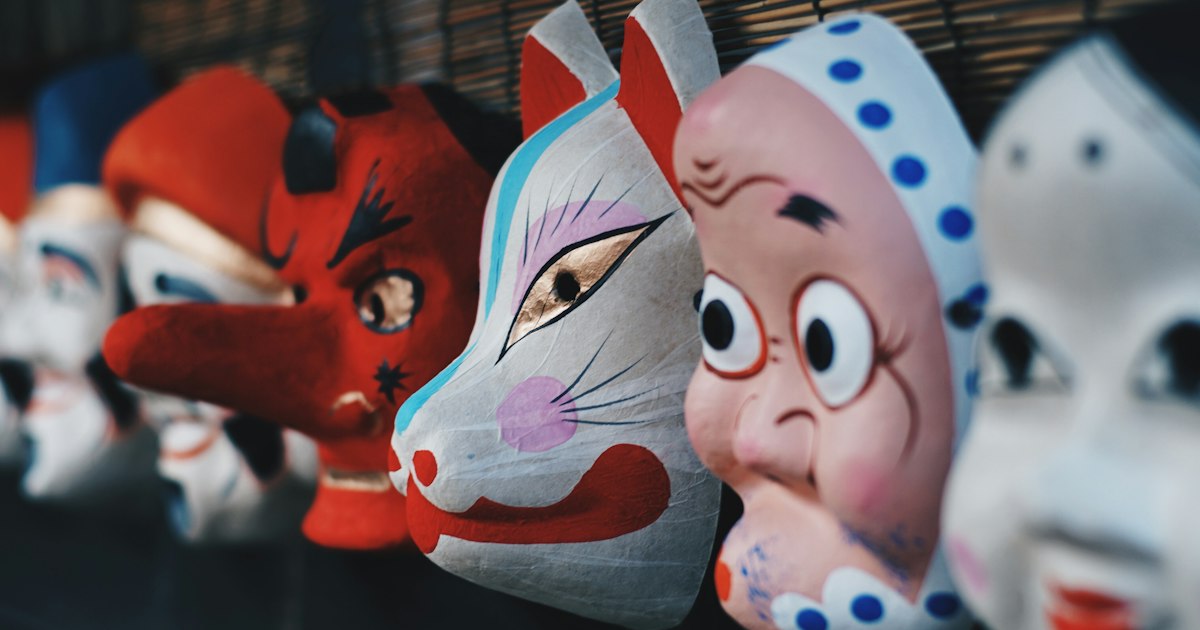
Namahage aren’t evil spirits — they’re messengers from the mountains who visit homes to drive out laziness, bad behavior, and misfortune for the coming year. The costume is unmistakable: a kera (straw raincoat) over the body, a carved wooden or papier-mâché mask with bulging eyes and real or faux boar tusks, and a large wooden deba knife carried in one hand, a bucket or wooden pail in the other. In traditional village visits, the Namahage barge into a home, stamp around, and demand to know, “Are there any crying children here? Any lazy people here?” Parents play along, the household head offers rice cakes or sake, and the Namahage leaves with a blessing for good harvests and safety. It’s genuinely intense for small children — which is, culturally, the entire point.
The Namahage Sedo Festival: When and Where to See It
The private New Year’s Eve house visits (Namahage Shiwasu Mairi) happen inside individual village communities on December 31 and aren’t really set up for outside visitors to watch. The event tourists can actually attend is the Namahage Sedo Festival, held at Shinzan Shrine in Oga City on the second Friday, Saturday, and Sunday of February. In 2027 that falls around February 12–14, but always confirm exact dates on the Oga Tourism site each year since they shift slightly.
The festival runs in the evening, roughly 5:30pm to 8:30pm, against a backdrop of bonfires and snow. Shrine rituals, taiko drumming, and a Namahage dance performance lead up to a procession of Namahage descending from the mountainside carrying torches, before they mingle with the crowd near the fire. Admission to watch is free, though some tour operators sell packages with reserved seating closer to the bonfire for a few thousand yen — worth it if you’re photographing and want a guaranteed sightline, unnecessary if you’re happy standing with the local crowd. Dress for serious cold: this is an outdoor, after-dark event in a snowy coastal region, so insulated boots and hand warmers matter more than camera gear.
Namahage Museum and Oga Shinzan Denshokan
If your trip doesn’t line up with February, you can still get a solid Namahage experience year-round at two adjacent facilities near Shinzan Shrine. The Namahage Museum (Namahage-kan) displays around 150 masks from different villages across the peninsula — no two are quite alike, since each community developed its own style — along with background on the folklore’s history. It’s open daily 8:30am–5:00pm (last entry 4:30pm); admission is roughly ¥550 for adults, about half that for students.
Next door, the Oga Shinzan Denshokan hosts short live reenactments where local men in full costume perform the house-visit ritual on a stage set up like a traditional living room, narrated in Japanese (English pamphlets are usually available). A single ticket costs about ¥550, but a combined ticket covering both facilities runs around ¥1,000 — worth buying if you’re visiting one, since you’ll likely want both. Reenactment showtimes run several times a day; check the schedule posted at the door since frequency drops slightly in the off-season.
How to Get to the Oga Peninsula
Start from Akita Station, reachable via the Akita Shinkansen (around 3.5–4 hours from Tokyo). From Akita, take the JR Ou Line to Oga Station — a local or rapid train takes roughly 50–60 minutes. From Oga Station, the Namahage Museum and Shinzan Shrine area is another 20–30 minutes by local bus or taxi (budget around ¥3,000–4,000 for a taxi one-way).
Public transit on the peninsula itself is sparse, with buses running only a handful of times a day in winter. If you’re combining Namahage with other Oga Peninsula stops — the dramatic Nyudozaki cape, fishing harbors, or hot spring inns — a rental car makes the day far easier, and renting in Akita City is straightforward even for foreign visitors with an International Driving Permit. If you’re already planning a longer Tohoku loop, renting a camper van is a reasonable way to cover the peninsula’s scattered sights without worrying about accommodation in a region with fewer hotel options than the major cities.
Best Season and Common Mistakes
Winter (December through February) is unambiguously the right season: it’s when the Sedo Festival happens, when the peninsula looks its most atmospheric under snow, and when the regional food is at its best. The most common mistake is assuming you can watch the real New Year’s Eve house visits — you generally can’t, since they take place inside private homes within specific village communities and aren’t organized as a public spectator event. Don’t build a December 31 itinerary around seeing Namahage in person; build it around the February Sedo Festival instead, or visit the museum and Denshokan any time of year.
The second mistake is underestimating travel time and weather. Oga Peninsula roads can close or slow significantly after heavy snow, and the last bus back to Oga Station is earlier than visitors expect — check return times before you commit to staying for the full festival program. Pad your schedule rather than planning a same-day round trip from Akita with no buffer.
Where to Eat and Warm Up
Akita’s winter food is a reward in itself. Look for kiritanpo nabe (mashed-rice-stick hot pot with chicken and local vegetables), a prefectural specialty available at restaurants around Akita Station and in Oga. If you’re craving something heartier after a cold evening at the festival, a bowl of botan nabe wild boar hot pot hits the same note of winter comfort food, though it’s more commonly found outside Tohoku — ask your ryokan or a local izakaya if any serve it seasonally. On the walk back from an evening event, roadside yakiimo roasted sweet potato trucks are a classic way to warm cold hands while you wait for a bus.
Budget, Mid-Range, and Splurge Options
On a tight budget, a day trip from Akita City covering the museum, Denshokan, and a kiritanpo lunch runs well under ¥5,000 per person including transport. Mid-range travelers should consider staying one night near Oga’s hot spring area, letting you catch the Sedo Festival in the evening without rushing for the last train back to Akita — expect ¥10,000–20,000 for a decent ryokan with dinner included. For a splurge, some travel agencies and local inns package festival-night stays with reserved fireside viewing, a kappo-style kaiseki dinner featuring Akita beef or Oga’s winter seafood, and private transport from Akita Station — a comfortable way to handle a genuinely remote, cold-weather event without logistics stress.