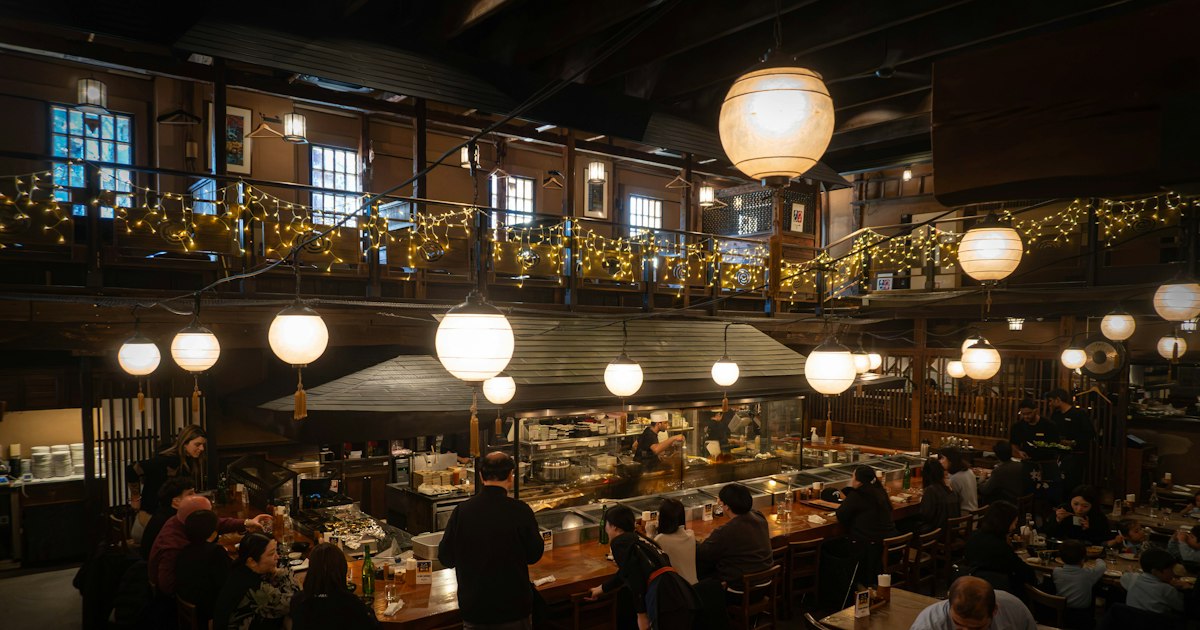
Photo by hiding ninja on Unsplash
If you’ve wandered through a Japanese train station district and spotted a bright green-and-white sign advertising pizza, pasta, and wine at prices that seem too low to be real, you’ve found Saizeriya. It’s not fine dining, and it doesn’t pretend to be — but this is exactly why generations of students, office workers, solo travelers, and families have made it a national institution. For visitors trying to stretch a travel budget without resorting to convenience-store meals every night, Saizeriya is one of the best-kept not-so-secret secrets in Japan.
What Is Saizeriya, and Why Is It So Popular?
Saizeriya is a Japanese family restaurant (famiresu) chain serving Italian-inspired comfort food — pasta, pizza, gratins, and salads — at prices that undercut almost every other sit-down restaurant in the country. Founded in 1967 in Ichikawa, Chiba Prefecture, it has grown to well over 1,000 locations across Japan, with additional branches in China, Taiwan, Hong Kong, Singapore, and a few other markets.
The appeal isn’t really about authenticity — this is Japanese-interpreted Italian food, similar in spirit to how Napolitan ketchup spaghetti became its own beloved Japanese dish rather than a copy of anything actually eaten in Italy. Saizeriya’s draw is reliability, speed, and price: you can sit down, order several dishes, and walk out having spent less than a convenience store bento would cost in many other countries.
What to Order: The Classics
The menu is large, but a few dishes have cult status among regulars:
- Milano-fu Doria — a baked rice gratin with meat sauce and cheese, often cited as the single most famous Saizeriya dish. Usually under 400 yen.
- Margherita Pizza — thin-crust, simple, and typically in the 400–500 yen range.
- Escargot — genuinely one of the cheapest places in Japan to eat escargot, usually a few hundred yen for a small dish baked in garlic butter.
- Foccacia — a basket of garlic bread, a popular shareable starter.
- Decanter wine — house red or white wine sold by the small glass or carafe, famously inexpensive (often under 200 yen for a glass), which is part of why Saizeriya has a loyal following among young drinkers on a budget.
- Tiramisu — a reliably good, cheap dessert to close out the meal.
Portions are modest by Western standards, so the normal approach — especially for groups — is to order several small dishes to share rather than one large entrée each.
How to Order: The Paper Slip (and Tablets)
Many Saizeriya locations still use a distinctive ordering method: a paper order sheet and a pencil are left at your table. You tick boxes next to the dishes and drink options you want, then hand the sheet to a staff member or place it in a small tray for them to collect. It looks intimidating if the menu is entirely in Japanese, but most locations in tourist-heavy areas now have English or picture-based menus, and many branches have switched to tablet ordering, which usually includes a language toggle. If in doubt, the quantity column is usually the rightmost; write a number or circle it to indicate how many of an item you want.
There’s no need to flag down a server constantly — this self-service ordering style is part of why Saizeriya can keep prices so low, similar in philosophy to how CoCo Ichibanya lets you build your own curry order on a slip rather than relying on staff to walk you through choices.
Prices and the Drink Bar
A realistic solo meal — one pasta or doria dish, a side, and a drink — typically runs 700–1,200 yen. Add wine or extra dishes and you might reach 1,500–2,000 yen, still cheap for a sit-down meal in a city. Prices have crept up slightly in recent years due to inflation, but Saizeriya remains dramatically cheaper than most competitors, including other Italian-style family chains like Jolly Pasta.
Many locations offer a self-service drink bar (dorinku ba-) for an add-on fee, usually around 200–300 yen, giving unlimited refills of soft drinks, coffee, and tea for the duration of your meal — a good deal if you’re settling in to work or chat rather than eating and leaving quickly.
Payment is typically accepted by cash, major credit cards, and in many branches, IC cards (Suica/Pasmo) and QR code payment apps. If you’re already tracking how to make a Japan trip go further on a budget, pairing cheap meals like this with other savings — such as using discount ticket shops for cut-rate train and bus fares — adds up quickly over a multi-day itinerary.
Finding a Location and Hours
Saizeriya branches are extremely common near train stations, in shopping mall food courts, and along busy shopping streets in every major Japanese city, as well as many smaller towns. Hours vary significantly by location — some run from around 11:00 to 23:00, others close earlier, and a shrinking number operate very late hours; very few are still 24-hour due to nationwide labor shortages that have pushed many restaurant chains to trim operating hours in the past few years. Always check the hours posted on the door or search the specific branch before planning around a late-night visit, since this varies store to store and isn’t safe to assume nationally.
No reservation is needed for most visits — you simply walk in, and staff will seat you if a table is free. During lunch and dinner peak hours in dense areas (noon–13:00, 19:00–20:00), there can be a short wait, but turnover is fast.
Common Mistakes First-Timers Make
- Ordering one large dish instead of several small ones. Saizeriya is built around sharing multiple inexpensive plates, not ordering a single big entrée.
- Assuming it’s authentic Italian food. Go in expecting Japanese comfort food with an Italian theme, and you’ll enjoy it much more.
- Skipping the drink bar when staying a while. If you plan to linger — reading, resting between sightseeing stops, or waiting out rain — the drink bar fee often pays for itself after two refills.
- Not checking hours before a late-night trip. Unlike convenience stores, Saizeriya locations are not reliably open around the clock anymore.
- Expecting English service everywhere. Picture menus help, but staff in less touristy areas may have limited English — pointing at the paper order sheet works fine.
For travelers looking to eat well in Japan without draining their budget on every meal, Saizeriya is less a destination restaurant and more a dependable, everywhere-you-turn option — the kind of place locals use constantly and visitors quickly come to appreciate for exactly that reason.