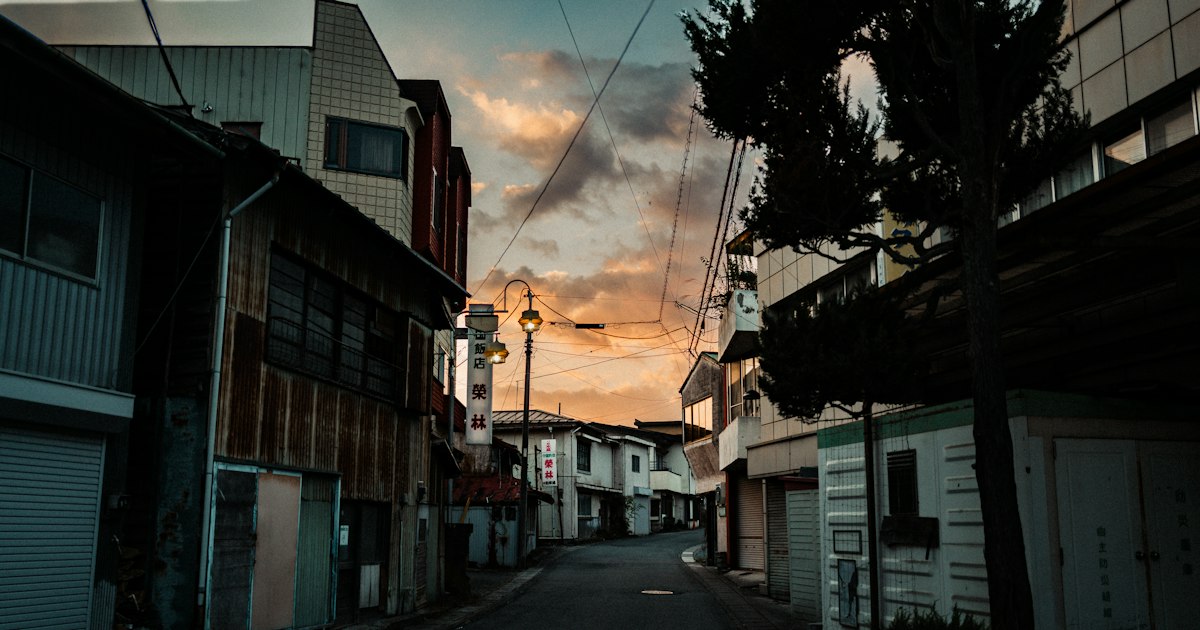
Photo by Mario Scheibl on Unsplash
If you’ve spent a morning wandering a Japanese residential neighborhood, you may have spotted a small cart or electric scooter loaded with crates of tiny plastic bottles, pushed by someone in a crisp uniform knocking on doors. That’s a Yakult Lady — part of a delivery network that has quietly connected Japanese households to a probiotic yogurt drink since the 1960s. It’s one of the country’s most enduring, least-touristed pieces of everyday culture, and understanding it will change how you look at every convenience store cooler for the rest of your trip.
What Is a Yakult Lady, Exactly?
“Yakult Lady” (ヤクルトレディ, Yakuruto Redi) is the common name for the home-delivery staff of Yakult Honsha, the company that invented its signature fermented milk drink in 1935 based on a probiotic strain called Lactobacillus casei Shirota, named after company founder Dr. Minoru Shirota. The door-to-door sales model began in the early 1960s as a way to get the drink — and its health message about gut bacteria — directly into homes, schools, and workplaces rather than relying on shops alone.
Today’s Yakult Ladies are typically local women working part-time, often moving through fixed residential routes on foot, bicycle, or small electric carts loaded with refrigerated crates. Many build decades-long relationships with the same households, which is why the system has also taken on an informal welfare role in some areas: regular visits mean someone is checking in on elderly residents who live alone, and a few municipalities have formal partnerships with Yakult for exactly this “mimamori” (watch-over) purpose.
How the Delivery System Actually Works
Yakult Ladies sell almost exclusively to existing subscribers — households, offices, and small shops that have signed up for a standing order, usually a set number of bottles delivered on a weekly schedule. Rounds generally run on weekday mornings, roughly 9:00am to noon, before the heat of the day and before most people leave for work or school. This isn’t a retail storefront you can walk up to; it’s closer to a milkman model, and the ladies are moving on a route rather than staffing a stand, so as a visitor you’re far more likely to simply observe the system in action than to buy directly from one.
The flagship product remains small 65ml–80ml bottles of the original Yakult drink, sold in packs, along with a growing lineup that includes Yakult 400, a stronger probiotic count version, and the now-famous Yakult 1000 (marketed as Y1000), which gained a cult following in Japan around 2021–2022 after media coverage linked it to better sleep quality and lower stress — demand got so intense that many stores limited purchases to one or two bottles per customer for a stretch.
Where Tourists Can Actually Buy and Try Yakult
You don’t need a subscription to try it. Yakult products are sold nationwide in:
- Convenience stores (konbini) like 7-Eleven, Lawson, and FamilyMart, usually in the refrigerated drinks section near the register — a single bottle runs about ¥120–150.
- Supermarkets, where a 5-bottle pack of original Yakult typically costs ¥300–400, and larger multipacks offer better value.
- Suburban shopping malls, including the grocery floors of chains covered in our guide to AEON Mall, where you’ll find the fullest range of flavors and sizes side by side with other Japanese dairy and probiotic brands.
- Vending machines, less common than soda machines but present near some train stations and hospitals.
Yakult 1000 is the trickiest to track down; it sells out quickly in konbini refrigerators, especially in the evening, so mornings right after restocking are your best bet. Don’t expect to find it everywhere — smaller stores may simply not stock it.
Best Season and Timing to Notice the Culture
There’s no “season” for Yakult Ladies — they work year-round — but weekday mornings in residential neighborhoods (not tourist districts) are when you’re most likely to see the carts in motion. Quiet, older suburbs and smaller cities tend to preserve the tradition more visibly than dense central Tokyo, where modern apartment living has shifted more sales toward retail. If you’re staying in a residential Airbnb or machiya rather than a hotel, keep an eye out around 9:00–11:00am.
Common Mistakes Visitors Make
The biggest misunderstanding is treating the Yakult Lady like a street vendor you can flag down and buy from — most are running a pre-set subscriber route and aren’t set up for one-off cash sales, so approaching one expecting a quick purchase will likely just lead to confusion on both sides. Another mistake is assuming all the small probiotic-looking bottles in a konbini fridge are Yakult; competitors like Meiji’s brands sell visually similar bottles, so check the label if you specifically want the Shirota strain. Finally, don’t try to pack open or refrigerated Yakult bottles for the flight home — they’re liquid dairy products, which makes them a non-starter for carry-on and a spoilage risk in checked luggage; if you want to bring the experience home, Yakult sells shelf-stable candy versions (Yakult Joy, a chewy tablet with the same tangy flavor) that travel far better and make decent last-minute souvenirs, the kind of thing worth grabbing at an airport shop like the ones in our Haneda Airport Terminal 3 guide.
Budget, Mid-Range, and Splurge Options
Budget (~¥120–150): A single bottle of original Yakult from any convenience store — the easiest, cheapest way to try the actual product that started it all.
Mid-range (~¥300–400): A 5-bottle supermarket pack, which works out cheaper per bottle and lets you try it daily for a week, similar to how most Japanese households actually consume it.
Splurge (~¥150–200 per bottle, limited availability): Yakult 1000 or Y1000, the premium stress-and-sleep variant that’s harder to find and sometimes purchase-limited — worth hunting down if you’re curious what caused the shortage headlines, though it’s not objectively a luxury item, just a scarce one.
Yakult sits in the same lane as other everyday Japanese health and wellness habits that reward curious travelers — the same instinct that’s worth bringing to traditional Kampo herbal medicine shops or skincare staples like DHC and Fancl cleansing oils, where a small, inexpensive product turns out to have a surprisingly deep cultural backstory. The Yakult Lady herself may not be selling to you directly, but the drink in her crate is sitting in nearly every fridge case in the country, waiting for you to notice it.