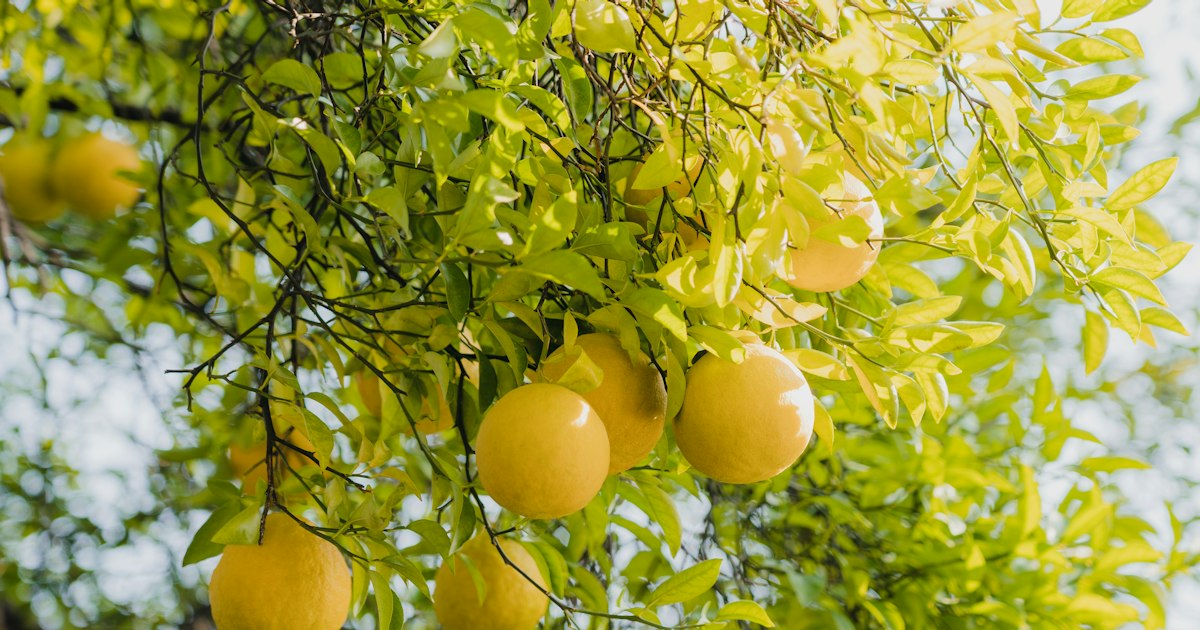
Walk into any Japanese supermarket or department store food hall between October and February and you’ll catch it before you see it: a sharp, floral citrus scent that’s not quite lemon, not quite grapefruit, and unmistakably yuzu. This knobby yellow fruit is too sour and seedy to eat like an orange, but its zest, juice, and peel flavor an enormous range of condiments, sweets, and bath products that make some of the most distinctive souvenirs you can bring home from Japan. Here’s what’s actually worth buying, when to look for it, and how to avoid the tourist traps.
What Makes Yuzu Different
Yuzu (柚子) is a citrus fruit believed to have originated in China and cultivated in Japan for over a thousand years. Unlike a lemon or lime, almost nobody eats yuzu flesh directly — it’s too tart and full of seeds. Instead, the zest and juice are used sparingly to perfume dishes: a few shavings in miso soup, a squeeze in a dipping sauce, a curl of peel floating in a hot pot. The flavor is harder to pin down than lemon — floral, slightly bitter, with a perfume closer to a flower than a fruit. Once you’ve smelled real yuzu, the artificial “yuzu-flavored” candy at souvenir shops becomes easy to spot by comparison.
When to Go: Season and the Winter Bath Tradition
Yuzu ripens from green (used mostly for juice and vinegar) in late summer to its familiar bright yellow from November through December. This is peak season for fresh fruit in supermarkets, typically priced around ¥150–300 per fruit or ¥500–800 for a net bag of five or six. If your trip falls in this window, it’s also worth timing a visit to an onsen or sento around the winter solstice (toji), which falls on December 21 or 22 — in 2026, December 22. Many hot spring inns and public bathhouses fill their tubs with whole yuzu fruit for the day, a custom called yuzuyu believed to ward off colds and bring good luck. It’s a wonderfully fragrant, low-cost way to experience the fruit even if you never buy a single product — ask at your ryokan’s front desk whether they’re doing a yuzu bath that week, since not every property participates.
Where Yuzu Comes From
Kochi Prefecture on the island of Shikoku grows roughly half of Japan’s yuzu, with Tokushima Prefecture a close second. The single most famous yuzu-producing area is Umaji Village (Umaji-mura) in Kochi, a mountain village where yuzu farming is essentially the local economy. Umaji’s cooperative brand, Umaji no Mori, sells its juice, ponzu, and sweets both locally and in department stores nationwide — if you see that name on a label, you’re getting fruit from the source region. Umaji itself is remote (around 1.5 hours by car from Kochi city), so most visitors encounter the brand in Tokyo or Osaka stores rather than making the trip out, but it’s a worthwhile detour for anyone road-tripping through Shikoku in autumn.
The Products Worth Buying
Yuzu shows up in far more forms than most visitors expect. Here’s how to shop it by budget:
- Budget (¥300–700): Yuzu kosho — a fermented paste of yuzu zest, chili, and salt — is the single most useful souvenir for a cook back home; a small tube or jar runs ¥400–600 at any supermarket and adds instant depth to grilled meat, noodles, or soup. Bottled yuzu ponzu (a citrus-soy dipping sauce) costs ¥350–500 for 360ml and is sold everywhere, including convenience stores. Seasonal yuzu Kit Kats (roughly October–February, ¥300–400 for a share bag) are a fun, easy omiyage for coworkers — see our omiyage etiquette guide if you’re buying for an office back home.
- Mid-range (¥700–1,500): Honey yuzu tea (yuzu cha), a thick marmalade-like concentrate you spoon into hot water, comes in 400–500g jars for ¥800–1,200 and makes a genuinely useful gift — it keeps for months unopened. Umaji no Mori’s bottled yuzu juice (¥700–900 for 360ml) and yuzu vinegar are good mid-tier picks if you want traceable, single-origin fruit rather than a generic blend.
- Splurge (¥1,500–5,000+): Kyoto’s Yakami Orchard is the name to know for serious yuzu — a multi-generation producer whose artisanal ponzu, yuzu kosho, and seasonal fruit preserves run ¥1,200–2,500 per item, with boxed gift sets reaching ¥4,000–5,000. These are the ones to buy if the gift recipient already cooks and will appreciate the difference.
If you like winter snacking in general, yuzu kosho is also a classic condiment for oden broth — see our guide to oden at convenience stores for where to try it alongside your souvenir shopping.
Where to Buy Yuzu Products in Japan
Department store basement food halls (depachika) have the widest and best-curated selection — Isetan Shinjuku and Takashimaya Nihonbashi (both generally open 10:00–20:00) stock everything from supermarket brands to Yakami Orchard. Kaldi Coffee Farm, a nationwide import-grocery chain, reliably carries honey yuzu tea and yuzu-flavored snacks at lower prices than department stores, with most branches open roughly 10:00–20:00 or 21:00. Ordinary supermarkets are the cheapest source for fresh fruit and everyday bottled ponzu or kosho. Narita and Haneda airport shops stock boxed gift sets in the final departure area, useful if you’ve left souvenir shopping to the last minute, though prices run 10–20% higher than in the city.
Common Mistakes to Avoid
The biggest trap is assuming “yuzu flavor” on a package means real yuzu juice — many cheap candies and drinks use citric acid and artificial flavoring rather than actual fruit; check the ingredient list for 柚子果汁 (yuzu juice) or 柚子果皮 (yuzu peel) if authenticity matters to you. Second, don’t substitute lemon or lime when a recipe or sauce calls for yuzu once you’re home — the flavor profile is genuinely different, which is exactly why it’s worth bringing the real thing back. Third, if you’re shopping at a regional buying guide like this one for the first time in Japan, pace yourself on fermented pastes like yuzu kosho — it’s spicier than it looks, closer to a chili condiment than a citrus one.
Bringing Yuzu Home
Bottled sauces, pastes, and jarred tea are fine in checked luggage; if you’re only traveling with carry-on, remember liquids and gels (ponzu, juice, honey yuzu tea) fall under the standard 100ml container rule for cabin bags, so pack larger bottles in checked baggage instead. Fresh whole yuzu fruit is best enjoyed in Japan rather than carried home, since many countries restrict importing fresh citrus — stick to processed products (pastes, bottled sauces, dried peel, tea) for anything you plan to take across a border.