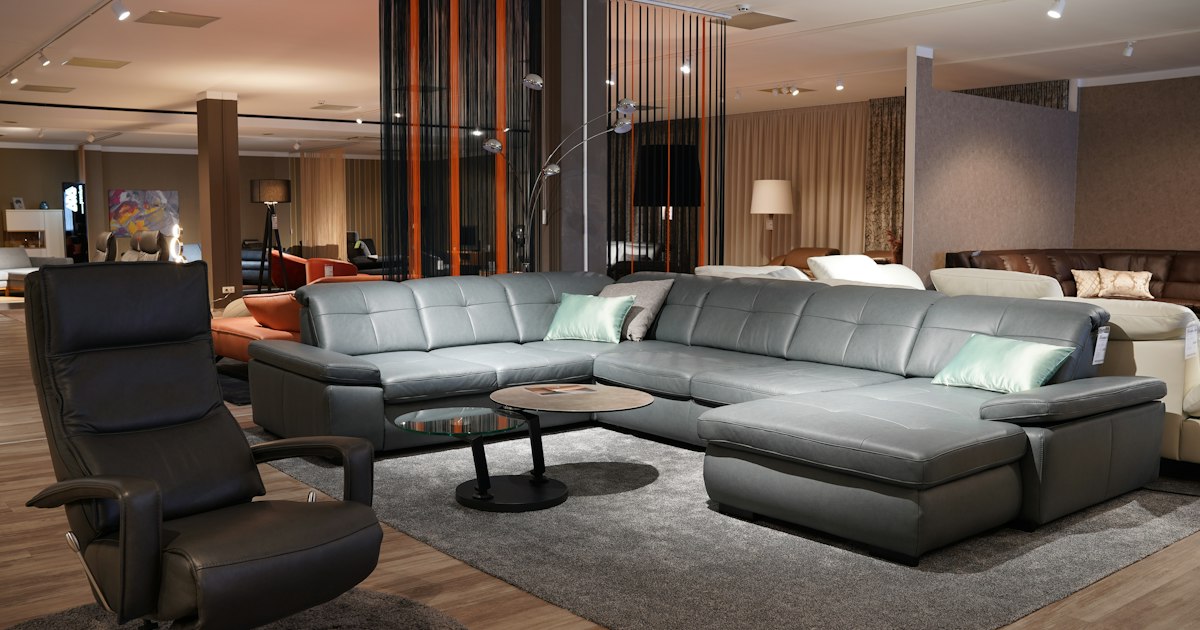
Photo by Albero Furniture Bratislava on Unsplash
Japan treats the massage chair the way other countries treat a reclining sofa: a serious piece of furniture that deserves a serious test drive. If you’ve ever wondered why Japanese electronics stores devote entire floors to rows of chairs with people sitting silently with their eyes closed, this is why. For visitors curious about bringing one home — or just curious what ¥1,000,000 of robotics in a chair actually feels like — here’s how to find the showrooms, what to expect to pay, and the shipping realities nobody mentions until you’re standing at the register.
Why Try Before You Buy Actually Matters Here
Massage chairs are not a one-size-fits-all product. The roller tracks, air-bag intensity, and seat depth are tuned differently between brands and even between models from the same brand, and a chair that feels incredible to a 175cm user can feel awkward to someone shorter or taller. Japanese manufacturers know this, which is why Family Inada and Panasonic both invest heavily in physical showroom space rather than selling the experience purely online. Sitting in a chair for 10-15 minutes — most showrooms will let you run a full program — is the only reliable way to know if you want to spend real money on one.
Family Inada: Japan’s Premium Massage Chair Maker
Family Inada (often just “Inada”) is the name serious massage-chair shoppers in Japan gravitate toward. The company is headquartered in Kakogawa, Hyogo Prefecture (near Kobe), and its flagship line, the DreamWave series, is the one you’ll see referenced most in reviews — typically priced from around ¥1,000,000 to over ¥1,500,000 depending on configuration. Below that, Inada’s mid-tier chairs generally run roughly ¥500,000-¥900,000, with simpler “Family” line models starting in the ¥300,000s.
Inada operates a limited number of directly run showrooms in major cities, plus demo units placed inside large department stores and electronics retailers. Because showroom locations and hours shift more often than department store floors do, check Family Inada’s official website for the current list before you go — don’t rely on an old address from a blog post, including this one. If you’re near Kobe anyway, it’s worth asking whether the Kakogawa headquarters offers any public showroom access, since seeing the full current lineup in one place is rare elsewhere.
Panasonic Real Pro: The Everyday-Luxury Option
Panasonic’s massage chairs are sold under the “Real Pro” name, usually with alphanumeric model codes like the EP-MA series. They sit a notch below Inada on price and are far easier to find on display, since Panasonic supplies demo units to basically every major electronics chain in the country. Entry and mid-range Real Pro chairs run roughly ¥150,000-¥350,000, while flagship models with 4D rollers and full-body air massage climb to around ¥500,000-¥700,000.
The Panasonic Center in Odaiba, Tokyo has historically featured Panasonic’s home and wellness products including massage chairs as part of its rotating showroom exhibits, though exact displays change with product cycles — treat it as a bonus stop if you’re already visiting Odaiba, not a guaranteed destination.
The Easiest Option: Electronics Megastores
For most visitors, the simplest way to test multiple brands side by side in one visit is a large electronics retailer rather than a single-brand showroom. Yodobashi Camera’s flagship Shinjuku store, Bic Camera’s major branches, and Yamada Denki all dedicate a section — usually upper floors — to massage chairs from Panasonic, Family Inada, Fujiiryoki, and others lined up for public testing. Staff generally leave you alone to sit and try the programs, which makes these the lowest-pressure way to compare brands. Large downtown branches of these chains are typically open from around 9:30 or 10:00 AM to 9:00 or 10:00 PM daily, but confirm the specific store’s hours since smaller branches close earlier.
If you’re combining this with other electronics browsing, it’s worth reading up on Den Den Town vs Akihabara — Tokyo’s Akihabara and Osaka’s Den Den Town both have large chain stores with massage chair demo floors, so you can fold a chair-testing stop into an already-planned electronics day.
Timing Your Visit
Showrooms are indoor and open year-round, so season doesn’t matter the way it does for cherry blossoms or hot springs — but crowd timing does. Weekday mornings right after opening are the quietest time to sit in a chair for a long, uninterrupted test. Avoid weekend afternoons, and avoid visiting during Japan’s New Year sales period (January 1-3) or Golden Week (late April-early May), when flagship stores are packed and staff are stretched thin helping with sales promotions rather than demos.
Budget, Mid-Range, and Splurge Picks
- Budget (~¥150,000-¥250,000): Entry Panasonic Real Pro models or basic Family Inada “Family” line chairs — solid kneading and air massage, fewer programs, smaller footprint.
- Mid-range (~¥400,000-¥700,000): Flagship Panasonic Real Pro (EP-MA series) or mid-tier Family Inada chairs — full-body 4D rollers, heat functions, more automatic programs.
- Splurge (¥1,000,000+): Family Inada DreamWave — the chair most Japanese reviewers treat as the category’s reference point for roller articulation and stretch programs.
Common Mistakes to Avoid
- Assuming you can just carry it home tax-free. Japan’s consumption-tax exemption for tourists requires the goods to leave the country within 30 days in original, unopened packaging — fine for a camera, unworkable for a 50-100kg chair you can’t check as luggage.
- Ignoring the voltage. Japan runs on 100V; most other countries use 110-240V. A Japan-spec chair bought for personal export may need a step-down transformer, and the warranty is almost always valid in Japan only.
- Underestimating shipping cost. Freight for an oversized, heavy item like this can easily rival or exceed the price of a mid-range chair. Get a quote from a freight forwarder before you commit, not after.
- Not checking if the same model is sold at home. Both Panasonic and Family Inada sell versions of their chairs internationally, sometimes under different model numbers and voltages. If that’s true for the model you liked, buying through an authorized dealer in your home country is usually smarter than importing one.
- Not measuring your doorway. Reclined massage chairs are long and wide. Measure your stairwell, elevator, and doorways before ordering — this trips up even local buyers.
Even if you have no intention of buying, a half hour spent testing a DreamWave or a flagship Real Pro is a genuinely fun, free way to spend a rainy afternoon between sightseeing stops — and if you do decide to buy, you’ll at least know you’re paying for a chair that actually fits you, not just a brand name.