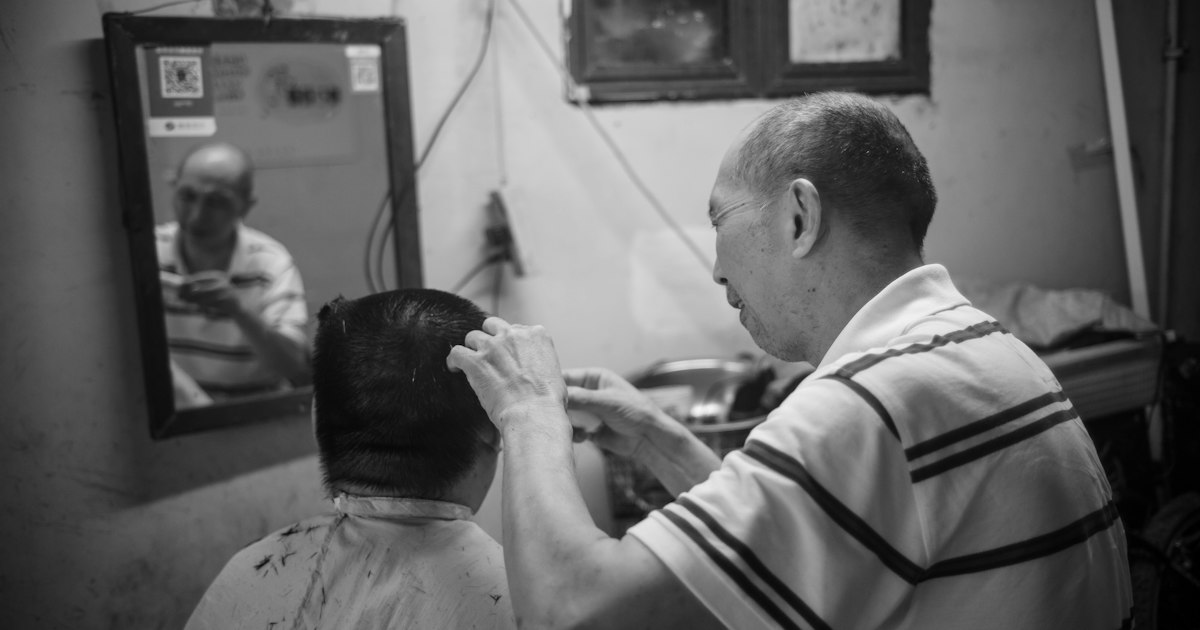
Photo by Derek Lee on Unsplash
Long before Japan had hair salons with English menus and Instagram-ready blowouts, it had the tokoya (床屋) — the neighborhood barbershop, recognizable by its spinning red-white-blue pole and usually run by the same family for decades. Walk into one and you’re not just getting a haircut. You’re getting a ritual: hot towels, a straight-razor shave of the face, neck, and ears, and a scalp massage, all for a price that would be unthinkable at a hotel spa. For visitors willing to step off the souvenir-shopping track for an hour, a tokoya is one of the most authentic, least-touristed experiences left in urban Japan.
What a Tokoya Actually Is (and Isn’t)
Tokoya literally means “bed shop,” a holdover from the Edo period when barbers also handled light medical duties and customers reclined rather than sat upright. Today the word simply means a traditional men’s barbershop, as opposed to a biyoin (美容院), the hair salon aimed primarily at women and fashion-forward cuts. The giveaway sign is the sanshoku-tou, the rotating three-color pole outside the door — red for arteries, blue for veins, white for bandages, a symbol imported from Western barber-surgeon tradition generations ago.
Not every tokoya still offers a full shave. Many smaller, older shops in residential areas do haircuts only now, as the owners age out of the more labor-intensive shave service. Look for a shop that advertises “顔そり” (face shave) or has a reclining barber chair with a visible razor strop — a good sign the full treatment is still on the menu.
What Happens During the Shave, Step by Step
A full-service visit typically runs 45–70 minutes and follows a set sequence: shampoo and scalp wash first, then the haircut, then the shave. For the shave, the barber applies hot towels to soften the skin, works up a lather by hand or with a shaving brush, and uses a kamisori — a traditional single-edge straight razor — on the cheeks, jawline, neck, and often the forehead and ear area, finishing with a cold towel to close the pores. Many shops include a brief shoulder or scalp massage at the end, and some finish with a splash of cologne or aftershave lotion. You leave with skin that feels noticeably smoother than anything a multi-blade razor achieves, because the barber is working with, and against, the grain in ways you can’t replicate solo.
What It Costs: Budget, Mid-Range, and Splurge
Prices vary by neighborhood and shop age, but as a rule of thumb:
- Budget (¥1,980–2,500): Chains like QB House offer fast, no-frills 10-minute haircuts with no shave — useful if you just need a trim between sightseeing days, and convenient because branches often sit inside train stations, including the underground station malls covered in our ekinaka shopping guide.
- Mid-range, classic tokoya (¥3,500–6,000): This is the sweet spot for the full experience — haircut, shampoo, straight-razor face shave, hot towels, and a short massage at a family-run neighborhood shop. Expect cash-only registers and no English menu.
- Splurge (¥8,000–15,000+): A small number of long-established hotel and department-store barbershops in Tokyo and Osaka cater to business travelers and offer longer appointments, English-speaking staff, and extras like hand massages or imported shaving cream. These are worth it if you want zero language stress on your first visit.
Tipping is not expected or practiced anywhere on this spectrum — a polite bow and “arigatou gozaimasu” is the correct way to close out.
Where to Find One and How to Book
Old-school tokoya cluster on shotengai (traditional shopping streets) and in residential neighborhoods rather than department-store floors — areas like Yanaka, Tsukishima, or the backstreets around Ueno in Tokyo, or the older shopping arcades near Nipponbashi in Osaka, tend to have several within a few blocks of each other. Most are small, two-or-three-chair operations that take walk-ins; reservations by phone are common for regulars but rarely required for a one-off visit. Hours are typically 9:00 or 9:30 AM to 6:00 or 7:00 PM, and most close one weekday, often Monday or Tuesday — check the sign on the door, since hours posted online are frequently outdated for these small, family-run businesses.
Best timing is a weekday morning right after opening or an early afternoon slot; Saturdays and the days before a long holiday weekend get busy with regulars getting cut before a trip. If you’re combining the visit with a day of sightseeing, it’s an easy add-on before or after visiting a nearby shrine or shopping street rather than a destination in itself.
Common Mistakes Visitors Make
- Assuming every barbershop does shaves. Many smaller shops are haircut-only now. Ask “Kao-sori wa arimasu ka?” (Do you have a face shave?) before sitting down if it’s the main thing you came for.
- Showing up without cash. Plenty of neighborhood tokoya still don’t take cards or IC cards; carry yen.
- Expecting a long, chatty consultation. Japanese barbers tend to work efficiently and quietly unless you initiate conversation — pointing to a photo on your phone works better than trying to describe a style verbally if your Japanese is limited.
- Going in during lunch rush (12:00–1:30 PM) or right after work hours on a weekday, when local regulars fill the chairs and a walk-in may face a wait.
- Treating it as unisex by default. Traditional tokoya have historically served men, much like other long-standing gender-specific customs in Japan — the women-only train car system is a more visible modern example of the same pattern. Some tokoya now happily serve women for haircuts, but it’s worth a quick glance inside or a polite question first if the clientele looks exclusively male.
A Small Cultural Note
Barbers are famously chatty with regulars once the ice is broken, and small talk can drift into classic Japanese icebreaker territory — weather, your trip itinerary, and occasionally your blood type, a genuinely common conversation topic explained in our piece on blood type personality theory in Japan. Don’t be thrown if it comes up mid-shave; it’s a friendly cultural quirk, not a medical questionnaire.
For a souvenir that says more about Japanese daily life than a keychain ever could, a tokoya visit is hard to beat — it’s inexpensive, genuinely useful, and gives you twenty uninterrupted minutes to watch a trade practiced the same way it has been for a hundred years.