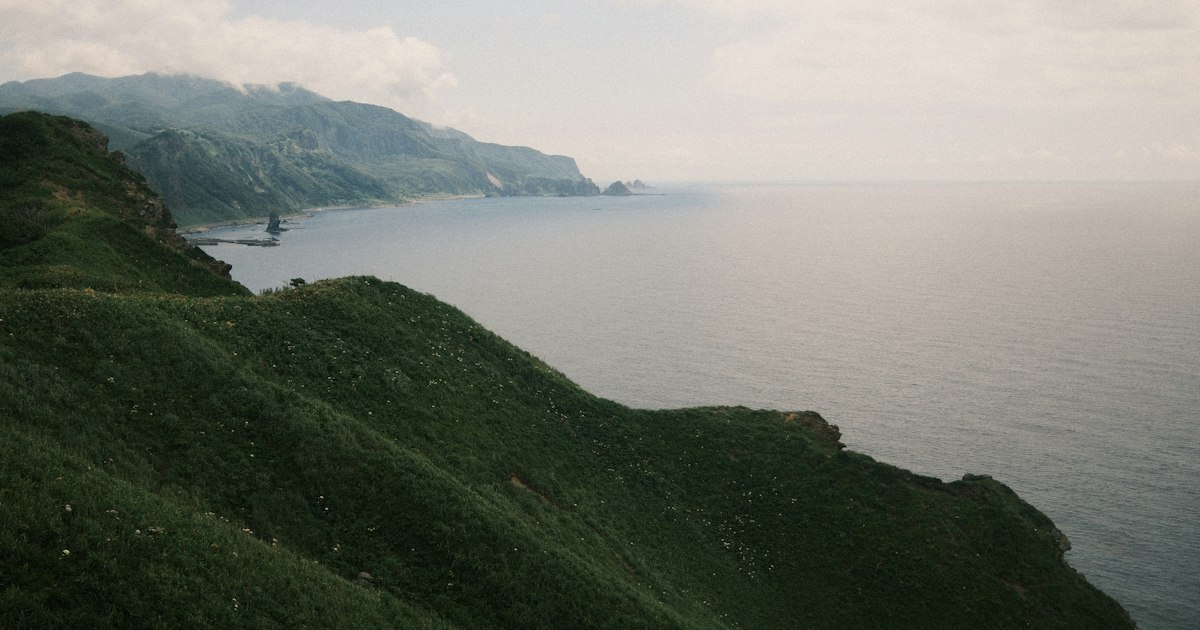
Photo by Jonas Eriksson on Unsplash
Most visitors who make it as far as Amami Oshima consider themselves well off the tourist trail already. But keep heading south along the Amami island chain and you’ll hit Tokunoshima, a small, subtropical island in Kagoshima Prefecture that gets a fraction of Amami Oshima’s visitors despite having white-sand beaches, some of the clearest water in Japan, and a bullfighting tradition that locals take as seriously as sumo. This guide covers what the island actually offers, how to get there without wasting a day in transit, and the mistakes that trip up first-time visitors.
What Tokunoshima’s “Bullfighting” Actually Is
Tokunoshima tōgyū is not Spanish-style bullfighting — no one is harmed, and that distinction matters to locals. Two bulls, each weighing up to around 800 kilograms, are led into a sand ring and lock horns, pushing and shoving until one turns away or is pulled off by its handlers. Matches typically last a few minutes. Owners train their bulls year-round, and a champion bull can become a genuine local celebrity, with its own fan base and sponsors.
The main venue is the Tokunoshima Togyu arena in Tokunoshima Town, though matches also rotate through rings in Amagi and Isen, the island’s other two towns. Three major tournaments anchor the yearly calendar — one around New Year, one around Golden Week in late April/early May, and one in autumn — plus smaller practice matches held more casually throughout the year. Exact dates shift annually, so confirm the current schedule with the Tokunoshima Tourism Association or your accommodation before building a trip around it. Expect a modest gate admission on tournament days (budget roughly ¥1,000–¥3,000, paid in cash at the entrance); many of the informal practice bouts are free to watch from the sidelines.
If you’ve already chased down a hard-to-reach destination like Aogashima, Tokunoshima will feel comparatively easy to plan around — but it rewards the same approach: check the schedule first, then build your travel dates around the event rather than hoping to stumble onto one.
How to Get There
There’s no train and no bridge — you’re flying or taking the ferry, and both routes run through Kagoshima.
- By air: Japan Air Commuter (JAC) flies between Kagoshima Airport and Tokunoshima Airport (airport code TKN) in about an hour. There are also short hops from Amami Airport (roughly 20–25 minutes) and from Naha in Okinawa (around 50 minutes), useful if you’re combining Tokunoshima with an Amami or Okinawa itinerary. Fares vary a lot with how far ahead you book — early-bird tickets from Kagoshima can run well under ¥15,000 one-way, while walk-up fares can exceed ¥25,000.
- By ferry: Marix Line and A-Line Ferry sail from Kagoshima’s main port down the island chain, stopping at Naze (Amami Oshima) before continuing to Tokunoshima’s Kametoku port. The trip from Kagoshima takes roughly 15–16 hours overnight; a cheaper option is to fly or ferry to Amami Oshima first and take the shorter onward ferry leg (around 3 hours) to Tokunoshima. Second-class fares are inexpensive compared to flying but far slower — only worth it if you want the overnight-boat experience or are island-hopping anyway.
Once on the island, rent a car. There is a limited community bus network, but services are infrequent and not built around tourist schedules. Rental counters at Tokunoshima Airport offer compact cars from around ¥5,000–¥6,000 per day; book ahead in peak season since the fleet is small.
Best Time to Visit
Tokunoshima sits in the subtropics, so summer (July–August) is hot, humid, and the best window for swimming and snorkeling, with water temperatures comfortable well into autumn. Winter (December–February) is mild by mainland Japan standards and is prime whale-watching season, as humpback whales migrate through Amami waters — boat tours depart from both Tokunoshima and Amami Oshima. It’s also typhoon territory: the main risk window runs roughly July through October, so build a buffer day or two into any trip during that stretch, since flights and ferries cancel on short notice.
For bullfighting specifically, time your visit to one of the three major tournament weekends if you want the full atmosphere — food stalls, betting-adjacent cheering sections, and a genuinely festival-like crowd. Visiting outside those dates, you can usually still watch training sessions at the rings in the early morning or late afternoon, which is quieter but free and surprisingly accessible — owners are often happy to talk about their bulls if you show interest.
Where to Stay and What to Eat
Accommodation is simple and limited compared to Amami Oshima — book ahead, especially around tournament weekends.
- Budget: Guesthouses and minshuku (family-run inns) around ¥4,000–¥6,500 per night, often with shared bathrooms and home-cooked breakfast included.
- Mid-range: Small business-style hotels in Kametoku or Amagi, roughly ¥7,000–¥10,000 per night, with private bathrooms and basic amenities.
- Splurge: A handful of beachfront lodges and renovated resort-style properties near Amagi’s coast run ¥15,000–¥20,000+ per night — still modest by international resort standards, but the island’s ceiling.
Eat kokuto (brown sugar) shochu while you’re there — Amami’s islands hold a unique legal exemption allowing shochu to be distilled from brown sugar, a method not permitted anywhere else in Japan, and Tokunoshima has its own distilleries worth a tasting stop. Pair it with local specialties like keihan (a chicken and rice dish served over broth) and fresh seafood from the surrounding reef. If you want to take a taste of the island home, bottled kokuto shochu travels well and makes a more distinctive souvenir than most mainland options.
Common Mistakes to Avoid
- Assuming it’s a day trip from Amami Oshima. The ferry leg alone is around 3 hours each way; flying is faster but still means committing to at least one overnight on Tokunoshima to make the trip worthwhile.
- Not checking the tournament calendar before booking flights. Dates move year to year and aren’t always posted far in advance — confirm with the tourism association rather than assuming a date from a previous year still applies.
- Skipping the rental car. Without one, you’re largely stuck near wherever you’re staying. The island’s beaches, bullring, and shochu distilleries are spread across all three towns.
- Underestimating typhoon disruption. If you’re visiting July–October, build in a spare day before any onward international or domestic flight — inter-island flights and ferries are among the first routes cancelled in bad weather.
- Expecting English signage. Tokunoshima sees far fewer foreign visitors than Amami Oshima or Okinawa; a translation app and a few key phrases go a long way, especially at accommodation and bullring ticket counters.
Is It Worth the Trip?
Tokunoshima isn’t a place you visit for convenience — it’s a place you visit because Amami Oshima already felt remote and you want to see what’s past it. For travelers specifically drawn to tōgyū, or to beaches and diving spots without crowds, the extra planning pays off. For a more conventional island itinerary with easier logistics, Amami Oshima itself or Okinawa’s main island will serve you better. But if the appeal of a destination like Aogashima’s volcanic isolation resonates with you, Tokunoshima’s blend of bullring culture, brown-sugar shochu, and quiet coastline is very much in the same spirit — just reachable by plane and ferry instead of a helicopter-and-boat relay.