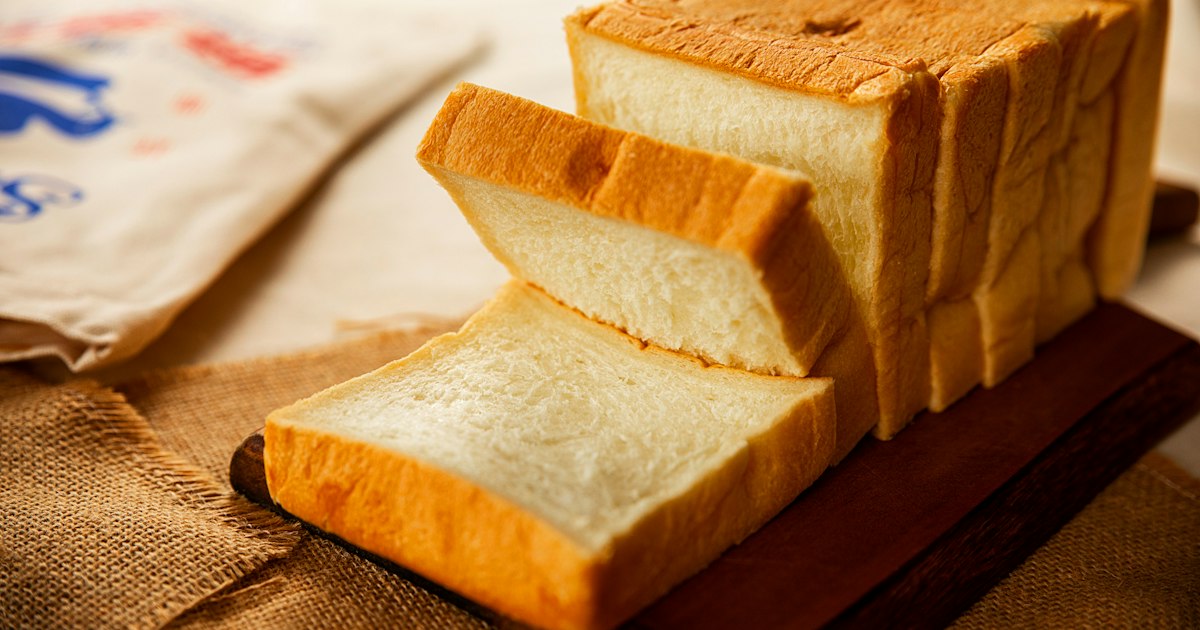
Photo by Charles Chen on Unsplash
Shokupan (食パン) is the loaf of bread you’ll see stacked in every Japanese convenience store, supermarket, and depachika food hall — but the version worth traveling for is a different animal entirely. Enriched with milk, cream, and sometimes a touch of honey, a well-made shokupan has a crust so thin it barely registers and a crumb so soft it tears like cotton candy. For visitors used to crusty European-style loaves, it’s a genuinely different texture experience, and a handful of Tokyo bakeries have built cult followings — and queues — around it. Here’s what makes it special, where to actually find the good stuff, and how to avoid the rookie mistakes that leave people staring at an empty shelf.
What Makes Shokupan Different from Western Sandwich Bread
The name literally means “eating bread,” coined in the Meiji era to distinguish it from rice as a staple. Japanese bakers adapted Western-style bread by increasing the ratio of milk, butter, and sugar, and often using a tangzhong-style water-roux or overnight sponge method (yudane or nakadane) that locks in moisture. The result is a loaf that’s noticeably sweeter, denser in a good way, and stays soft for days rather than going stale overnight. It’s usually sold two ways: as “regular” (角型, kakugata), baked in a lidded pan for a square top, or “mountain” (山型, yamagata), baked lid-off for a domed, slightly airier top. Connoisseurs argue endlessly about which is better — mountain-style tends to have a lighter crumb, square-style a denser, more buttery bite.
Pelican Bakery, Asakusa: The One That Sells Out by Mid-Morning
Pelican (ペリカン) has been baking the same two loaves — regular and large — since 1942, using the same mixer and a dedicated oven brought from Germany decades ago. It’s a bakery-only shop in Asakusa (2-4-7 Kotobuki, Taito-ku), open roughly 8:00 to 18:00 on weekdays only — closed Saturdays, Sundays, and public holidays — and it is cash only. The bread itself costs only a few hundred yen a loaf, but the real cost is timing: popular sizes routinely sell out by mid-morning, and locals queue before opening. If you want a loaf rather than just a look, show up close to 8:00, not noon. Pelican also runs a sit-down annex nearby (Pelican Cafe) serving toast sets and the famous coppe pan (a soft hot-dog-style roll) if the loaves are already gone by the time you arrive. Since Asakusa is a morning-first neighborhood anyway — the Senso-ji approach is far calmer before 9:00 — it pairs naturally with an early bread run. If you’re basing yourself nearby, several business hotel chains have locations within walking distance of Asakusa, which makes an early-opening-hours bakery far less painful to catch.
Centre the Bakery, Jingumae: Omotesando’s Cult Loaf
If Pelican is the old-school original, Centre the Bakery (by Le Sucré-Coeur) is its glossy modern counterpart. Tucked just off the Omotesando shopping strip in Jingumae, it sells a single dense, buttery “Shibuya” shokupan loaf for roughly ¥1,000–1,300, with a strict per-customer purchase limit because demand outstrips what the ovens can produce in a day. There’s a café upstairs where you can order toast sets (thick-cut shokupan with butter, or a French-toast style preparation) for around ¥700–900 if you’d rather eat on the spot than carry a loaf around all day. Arrive on the earlier side of opening — late morning on weekends often means a 30–45 minute wait just to buy bread. Combine it with a stroll down Omotesando itself; the bakery sits close enough to the boulevard’s flagship stores that it slots naturally into a half-day of window shopping.
Where Shokupan Fits in Japan’s Bread Culture
Shokupan isn’t an isolated curiosity — it’s the backbone of a whole bread tradition that Japan built almost from scratch in the 20th century. The country’s bakeries took the Western loaf and ran in wildly different directions: sweet, stuffed versions like the red-bean-filled anpan, invented at Kimuraya in Ginza in 1874, and savory, deep-fried versions like kare pan, the curry-stuffed bun found at nearly every konbini. Shokupan is the plain, unsweetened base that all of this grew out of — which is partly why a genuinely excellent loaf is treated with such reverence. If anpan and kare pan are the flashy results of Japan’s bread experimentation, shokupan is the control group, and the best bakeries take pride in nailing the fundamentals.
Budget, Mid-Range, and Splurge Options
You don’t need a pilgrimage to taste good shokupan, though the quality tiers are real:
- Budget (¥150–300 a loaf): Major brands like Pasco and Yamazaki Baking sell perfectly decent shokupan in every convenience store and supermarket. Look for “double soft” or “gold” labeled lines — they’re a step up from the cheapest store-brand loaves and a fine way to try the texture without planning anything.
- Mid-range (¥400–900): Neighborhood bakeries (machi no pan-ya) in almost any residential area sell fresh shokupan baked that morning. These rarely have English signage or queues, which is part of the appeal — ask for “shokupan” and point.
- Splurge (¥1,500–2,500): The “nama shokupan” (raw/cream-style milk bread) boom that started in the 2010s produced specialty chains that sell a single gift-wrapped loaf, often with a numbered ticket system at busy branches. These are richer, almost custard-like in the crumb, and are commonly bought as gifts — you’ll see them in department-store basement food halls (depachika) ribboned in a box, next to equally gift-ready items like boxed White Day chocolate.
Common Mistakes Visitors Make
The single biggest misstep is timing: treating a famous bakery like a regular shop you can swing by at 2pm. Popular shokupan loaves are baked in limited batches and often sell out before lunch — Pelican and Centre the Bakery both routinely run dry well before closing time. The second mistake is assuming you can buy with a card; several old-school bakeries, Pelican included, are cash only. Third, don’t try to toast shokupan the way you’d toast a baguette — it’s milk-and-butter-rich and burns fast at high heat; a lower setting with a slightly longer time gets the golden, crisp-edged result these bakeries are actually known for. Finally, if you’re buying a loaf to take home, know that shokupan has no preservatives and is best eaten within 2–3 days; it freezes well sliced, which is how most Japanese households actually handle extra loaves.
Best Season and Timing to Visit
Shokupan isn’t seasonal the way produce or sakura-themed treats are, so there’s no bad month to go — but practically speaking, weekday mornings beat weekend ones everywhere. Weekend queues at Centre the Bakery and similar spots can stretch past peak lunch hours, while a Tuesday or Wednesday arrival near opening time usually means a five-to-ten-minute wait. If your trip includes a stay anywhere near Asakusa or Shibuya, building a 15-minute bakery stop into the start of your day — before the metro gets crowded and before the day’s main sightseeing — is the easiest way to taste the real thing without rearranging your itinerary around it.