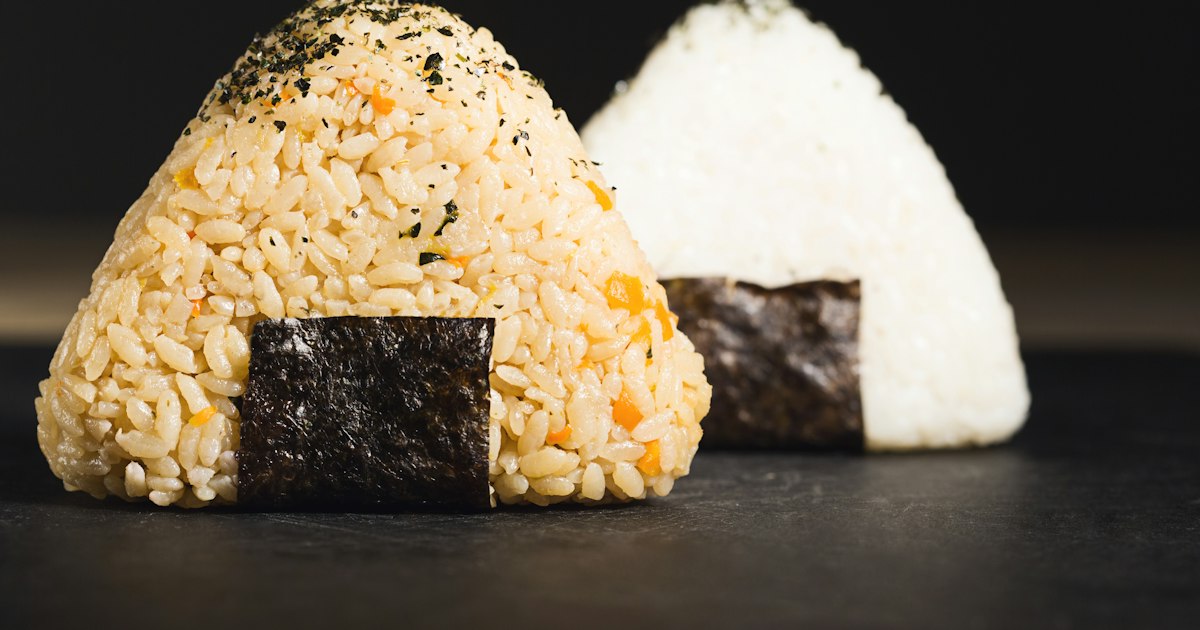
Photo by Luigi Pozzoli on Unsplash
Every Japanese supermarket and 100-yen shop has a shelf of small plastic gadgets that look like they belong in a kid’s sandbox: triangular clamshells, little bear-shaped presses, punches that cut nori into eyes and mouths. These are onigiri molds and bento shapers, and they’re one of the most useful, lightweight, cheap-to-pack souvenirs you can bring home from Japan. They also solve a real problem — shaping sticky short-grain rice into a neat triangle or ball by hand takes practice, and a mold does it in about five seconds. Here’s what to actually buy, where to find it, and how to use it without ending up with a rice brick.
What These Tools Actually Do
An onigiri mold is a two-part (sometimes three-part) plastic press: you line it with warm, salted rice, fold in a filling like umeboshi or tuna mayo, close the lid, and press. It pops out a uniform triangle, cylinder, or ball in seconds — the same shape convenience stores sell, minus the machine. Bento shapers do a similar job for other components: small cup-shaped rice molds (often sold in sets of 4–6 for kids’ lunchboxes), vegetable cutters that turn a carrot slice into a flower or star, and nori punches that stamp sheets of dried seaweed into faces for character bento (kyaraben). None of it requires skill — that’s the entire point of the product category.
Where to Buy Them in Japan
You don’t need a specialty shop for the basics. Daiso, Seria, and Can Do (Japan’s major 100-yen chains) stock onigiri molds, nori punches, and character bento shaper sets in every location, usually near the kitchenware or lunchbox aisle. Stock rotates seasonally — the widest selection shows up in late March and April, when parents are stocking up for the new school year and its daily obento requirement.
For sturdier or more design-forward options, check the kitchenware floors at Loft and Tokyu Hands (now rebranded simply “Hands” in some locations) — both have multiple stores in Tokyu, Shinjuku, and Shibuya, and carry brands like Skater, OSK, and Arnest that make licensed character molds (Rilakkuma, Hello Kitty, Studio Ghibli) alongside plain adult-sized triangle presses. Department store basement kitchen floors (Isetan Shinjuku, Takashimaya) stock a smaller but higher-quality range, including wooden presses.
If you want to go deeper, Kappabashi Kitchen Town in Asakusa, Tokyo — a strip of professional kitchen-supply wholesalers along the street between Asakusa-dori and Kototoi-dori — is worth a walk-through. It’s built for restaurant buyers, so you’ll find commercial-grade rice molds and bento hardware mixed in with tourist-friendly shops selling knives and plastic food models. Nearest stations are Tawaramachi (Ginza Line) or Asakusa (several lines), about a 5–7 minute walk. Most shops open around 9:00–10:00 and close by 17:00–18:00, and a fair number close on Sundays, so a weekday morning visit is the safer bet. This is also a good area to browse if you’re generally interested in Japanese cooking tools beyond rice shapers, since the same shops sell drop-lids, graters, and knife sharpeners.
Price Guide: Budget, Mid-Range, Splurge
Budget (¥110–¥330): A basic plastic triangle onigiri mold at Daiso or Seria runs ¥110–¥220 (tax included). Nori punch sets and small rice-ball molds for kids’ bento are usually ¥110–¥330. These are perfectly functional — the shape quality doesn’t really improve with price, only the durability and the gimmicks do.
Mid-range (¥400–¥1,500): Skater and OSK character bento kits (a mold plus matching nori cutters and food picks) at Loft or Hands typically cost ¥500–¥1,200. These are the ones with Rilakkuma ears or panda faces built into the mold itself, so you don’t need separate cutting tools.
Splurge (¥1,500–¥4,000+): Traditional wooden onigiri presses, often hinoki (cypress) or other light wood, show up in department stores and specialty kitchen shops for ¥1,500–¥3,000. Wood doesn’t stick to rice the way plastic can, and it’s the style used in older diners and bento shops. If you enjoy hunting for older tools, vintage wooden molds occasionally turn up at flea markets alongside other secondhand kitchen and carpentry gear — similar to what you’d find browsing Japan’s antique hardware and tool flea markets, though stock is unpredictable and you’re buying used, not new.
Common Mistakes People Make
The single biggest failure mode is dry sticking: pressing rice into a mold without wetting your hands or the mold itself first. Keep a small bowl of water with a pinch of salt nearby and dampen the mold between every use — this is exactly what onigiri vendors do, and skipping it is why rice ends up glued to the plastic.
The second mistake is overpacking. Pressing the rice too hard makes a dense, gummy onigiri instead of one with distinct, separate grains. Fill the mold loosely, close it, and apply light, even pressure rather than force.
Third: using the wrong rice. Japanese short-grain rice (labeled uruchimai or simply “Japanese rice” / koshihikari and similar varieties) is what gives onigiri its texture — it’s sticky enough to hold shape without a mold doing all the work. Long-grain or jasmine rice won’t bind the same way no matter how good the mold is.
Finally, people wrap nori around the rice too early and it goes soft and chewy within the hour. If you’re making onigiri to carry out rather than eat immediately, wrap the nori separately and apply it just before eating — the same logic behind the triangle-fold wrapper design used on every convenience store onigiri in Japan, which keeps rice and nori apart until the moment you unwrap it.
Rice, Water, and Fillings Worth Knowing
If you’re making onigiri in a rental apartment or long-stay accommodation, water quality affects the result more than people expect — Tokyo tap water is safe to drink but has a faint chlorine taste that some travelers prefer to filter out before cooking rice. A simple pitcher filter, the kind covered in our guide to Japanese water filter pitchers for long-stay travelers, is a reasonable add if you’re cooking rice daily for a few weeks. For fillings, stick to the classics that travel well and don’t need refrigeration for a few hours: umeboshi (pickled plum), okaka (dried bonito flakes with soy sauce), and tsukudani-style simmered kombu are all sold pre-packaged in small packets at any supermarket, specifically marketed for onigiri filling.
Packing Them to Take Home
These are lightweight, plastic or wood, and carry no customs concerns — toss a few molds in your checked bag or even carry-on without issue. They pack flat (most triangle molds are two thin shells), so they’re an easy last-minute purchase on your way to the airport if you pass a Daiso or Loft outlet in a station building. If you’re buying several character-themed sets as gifts, note that Skater and OSK redesign their licensed character lineups seasonally, so what’s on the shelf in spring (sakura and graduation themes) differs from what shows up before summer break — buy what you see rather than planning around a specific design being available later in your trip.