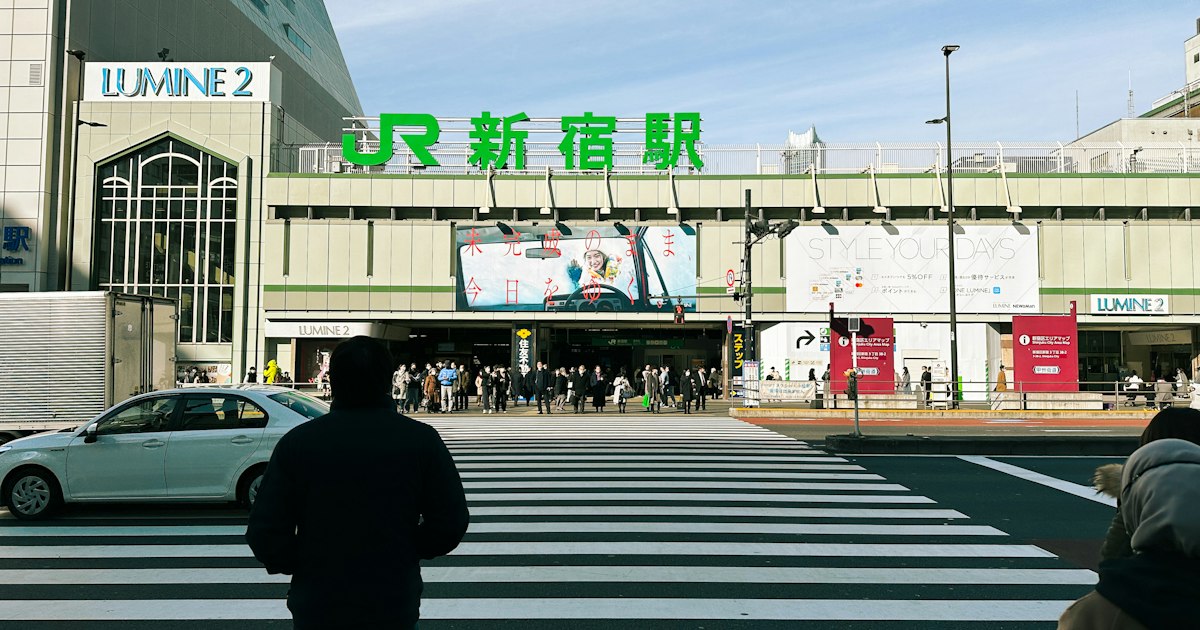
If you’ve booked a highway bus out of Tokyo, there’s a good chance your ticket says “Shinjuku” on it — and specifically, “Basta Shinjuku.” Opened in 2016 to replace a confusing scatter of curbside bus stops around the station, Basta Shinjuku (バスタ新宿) is now Japan’s largest bus terminal, funneling long-distance coaches to destinations as far as Osaka, Kyoto, and Aomori through a single four-story building. For a first-time visitor juggling luggage and a tight schedule, it can still feel like a maze. Here’s how to find it, use it, and not miss your bus.
What Basta Shinjuku Actually Is
Before 2016, highway buses leaving Tokyo from the Shinjuku area departed from more than a dozen different curbside stops scattered across several blocks — a system that regularly confused even locals. Basta Shinjuku consolidated all of that into one terminal sitting directly above JR Shinjuku Station’s New South Exit, inside the same complex as the Shinjuku Miraina Tower and the NEWoMan shopping mall. It now handles roughly 1,600 bus departures and arrivals a day, making it the busiest facility of its kind in the country. If your ticket just says “Shinjuku,” this building — not the sprawling station itself — is almost certainly where you need to be.
How to Get There
The terminal is on the 4th floor, reached via escalators and elevators from the New South Exit (新南口) side of JR Shinjuku Station. If you’re arriving by train:
- JR lines (Yamanote, Chuo, Shonan-Shinjuku, Saikyo): follow signs for “New South Exit / Basta Shinjuku” — it’s a short, well-signed walk from the ticket gates.
- Odakyu or Keio lines: exit toward the south side and follow the overhead walkway; it takes 5–8 minutes on foot.
- Tokyo Metro or Toei subway: expect a 10–15 minute walk through the station, since the subway platforms sit on the opposite side of this enormous complex.
Budget more transfer time than Google Maps suggests — Shinjuku Station is Japan’s busiest, and the signage between subway exits and the New South Exit is good but not instant. If you’re arriving with a large suitcase during rush hour (roughly 7:30–9:30am or 5:30–7:30pm), add another 10 minutes for crowd navigation.
Navigating the Terminal Itself
Basta Shinjuku is laid out across a few key floors:
- 3rd floor: ticket counters for the major bus operators (Willer Express, JR Bus, Keio Bus, Odakyu highway bus, and others), a waiting lounge with seating, coin lockers, and restrooms.
- 4th floor: the actual boarding area, with more than 20 numbered bays. Your ticket or the departure board will tell you which bay to head to — bay numbers do not correspond neatly to destinations, so always double-check the board rather than assuming.
Departure boards are in Japanese and English and update in real time. Staff in the waiting area can usually help in basic English if a bus is delayed or a gate changes, which does happen during heavy traffic periods. Arrive at your boarding bay at least 10 minutes before departure — unlike trains, highway buses in Japan generally do not wait for stragglers, and the bay can be a few minutes’ walk from the ticket counters.
Buying Tickets: Counter, Kiosk, or Online
You can buy highway bus tickets three ways: online in advance (via operator websites or apps like Willer or Kosoku Bus), at a same-day counter, or occasionally at vending-machine-style kiosks for certain routes. For popular routes and weekend travel, booking a few days ahead is strongly recommended — walk-up tickets for Friday evening buses to Kyoto or Osaka often sell out. Most operators accept credit cards online, but some counter transactions are cash-only or card-only depending on the company, so it’s worth having both options ready; see our guide to currency exchange in Japan if you’re arriving with mostly foreign cash.
Typical one-way fares out of Basta Shinjuku: Kawaguchiko (Mt. Fuji area), about ¥1,800–2,200, roughly 1 hour 45 minutes; Nagano, about ¥3,000–4,500; overnight buses to Kyoto or Osaka, anywhere from ¥3,500 budget seats to ¥9,000–11,000 for premium reclining seats; Narita Airport limousine buses, around ¥3,600; Haneda Airport, around ¥1,300–1,600. Prices swing with season, seat type, and how far ahead you book.
Budget, Mid-Range, and Splurge Seating
Overnight buses in particular come in several seat tiers worth knowing about before you book:
- Budget: standard 4-across reclining seats, curtained but shared leg space — fine for one night if you’re young, flexible, and price-sensitive.
- Mid-range: 3-across seats with more recline and a footrest, usually ¥1,000–2,000 more than budget fare.
- Splurge: fully independent “cabin” seats with privacy curtains and USB power, often ¥9,000+ one way on routes like Shinjuku–Osaka. These sell out fastest, so book well in advance if you want one.
If an overnight bus feels like too much of a gamble for comfort, it’s worth comparing against the Shinkansen for the same route — faster, pricier, and with its own quirks like designated smoking rooms on board for those who need them.
Best Timing and Common Mistakes
Avoid booking around Golden Week (late April–early May), Obon (mid-August), and New Year’s — fares rise and seats disappear weeks ahead. Winter routes toward Nagano or Niigata ski areas can also face delays or cancellations in heavy snow; if your onward plans involve driving rather than busing into those regions, our guide to winter driving precautions covers what to expect on snow routes.
The most common visitor mistakes at Basta Shinjuku: confusing the New South Exit with the station’s main East or West exits (they’re a genuine 10+ minute walk apart), underestimating how long it takes to get from a subway platform to the 4th floor, and not checking the boarding bay number on the departure board before heading up — bay assignments can shift on short notice. Give yourself 20–30 minutes of buffer between arriving at Shinjuku Station and your bus’s departure time, and you’ll avoid the sprint that catches out a lot of first-timers.