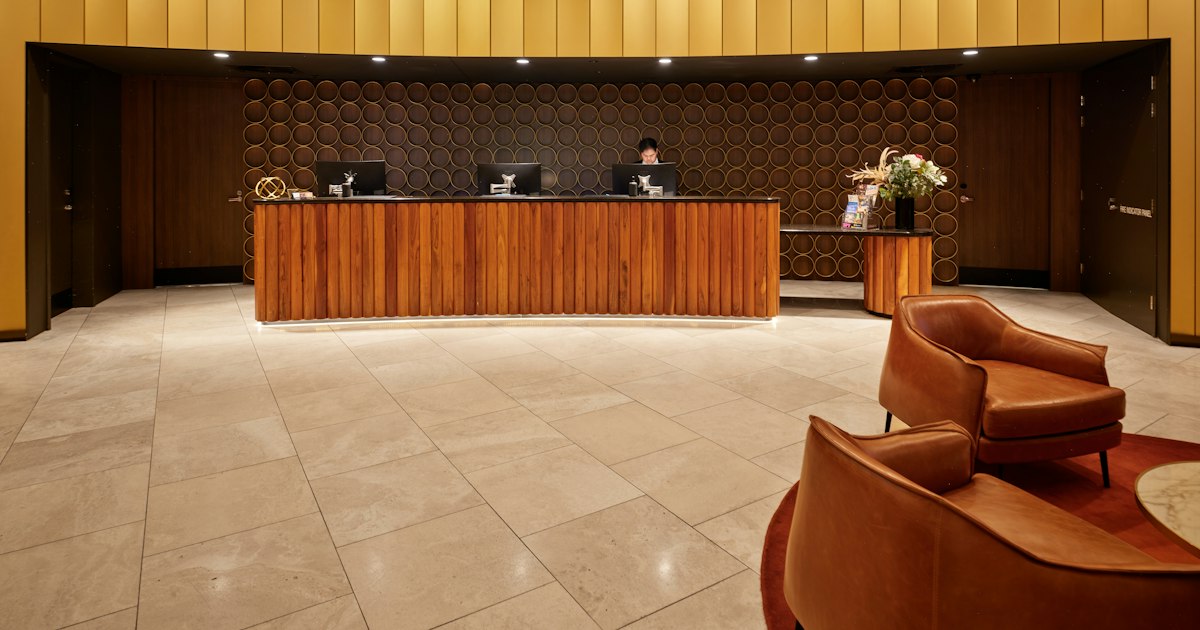
Photo by Neon Wang on Unsplash
Japan’s hotel check-in process trips up more first-time visitors than almost any other part of the trip. You’ve flown for twelve hours, you’re jet-lagged, and the person at the front desk is now asking for your passport — even though you booked under a foreign credit card and already paid online. This isn’t arbitrary bureaucracy. It’s Japanese law, it applies to every hotel and ryokan in the country, and knowing the rules in advance will save you a confusing five minutes at 11pm.
Why Japanese Hotels Legally Require Your Passport
Under Japan’s Hotel Business Act (旅館業法), accommodations are required to record the name, address, and nationality of any guest who does not have an address in Japan — and to verify this by checking a passport. This applies regardless of nationality, visa type, or how you booked the room. It’s not a hotel policy that can be waived; front-desk staff who skip it are the ones risking a fine, not you. The rule exists for immigration and public-safety record-keeping, and it’s been standard practice nationwide for decades, tightened further after the 2003 and 2005 amendments explicitly extended it to apply to all non-resident foreign guests, not just those on tourist visas.
In practice, this means: bring your physical passport to check-in, every single time, even for one-night stays at budget chains. A photo of your passport on your phone is sometimes accepted by smaller properties in a pinch, but it’s not guaranteed and shouldn’t be your plan.
What Happens at the Front Desk
Expect the following sequence almost everywhere, from a 4,500 JPY capsule hotel to a 150,000-JPY-a-night ryokan:
- Passport check: staff photocopy or photograph the identification page and your most recent entry stamp (or the digital arrival record most visitors now get at airports with automated gates).
- Registration form: you fill in name, nationality, passport number, and next destination in Japan — a legal requirement, not hotel curiosity.
- Payment confirmation: many budget and mid-range hotels in Japan still take full payment at check-in rather than check-out, even if you prepaid through a booking site — in that case, they’re simply confirming the reservation and may ask for the card used.
- Key handover: physical keys are increasingly rare in cities; expect a keycard, and at business hotels, a small deposit (500–1,000 JPY) refunded when you return it.
Standard check-in time is 3:00pm–4:00pm, with check-out at 10:00am–11:00am. Arriving earlier is common after long-haul flights — most hotels will hold luggage for free even if the room isn’t ready, which is worth doing rather than dragging suitcases around for hours.
Common Mistakes Foreign Guests Make
The single biggest mistake is not bringing a passport at all — leaving it in the room safe or at a different hotel because “I already checked in once this trip.” Staff cannot accept a driver’s license or a foreign ID card as a substitute. If you’re on a multi-city itinerary, the passport travels with you to every new front desk, full stop.
A second common issue is name mismatches: if your booking was made by a travel agent or group organizer under a slightly different spelling or a middle name arrangement that doesn’t match the passport exactly, some hotels will ask for clarification or a re-booking confirmation. Double-check the name field matches your passport before you travel, especially for bookings made on Japanese platforms.
Third, guests sometimes assume online prepayment exempts them from showing ID — it doesn’t. Payment and identity verification are separate legal requirements. And fourth, some travelers don’t realize that unmarried couples or groups of friends sharing a Japanese-style room may be asked for each adult’s passport individually, not just the person who made the booking.
Budget, Mid-Range, and Splurge Check-In Experiences
The passport rule is identical everywhere, but the check-in experience itself varies a lot by price tier:
- Budget (capsule hotels, business hotel chains like Toyoko Inn or APA, roughly 4,000–9,000 JPY/night): fast, efficient, often a kiosk machine that scans your passport itself. Staff speak limited English but check-in is usually under five minutes.
- Mid-range (3-star city hotels, 10,000–20,000 JPY/night): a short front-desk process with an English-speaking staff member, usually including a map and local tips. This tier is common in neighborhoods like Akasaka, where Tokyo’s embassy district has a dense cluster of business hotels within walking distance of government offices and sake bars.
- Splurge (ryokan and luxury hotels, 30,000 JPY+ per person per night): check-in is often done seated, with tea served while a staff member handles your passport and registration paperwork out of sight, then explains the ryokan’s bath and dinner schedule in detail.
Your Hotel Bill and the Consumption Tax Line
When you get your final bill, don’t be alarmed to see the total differ from the room rate you booked. Japan’s accommodation tax (in cities like Tokyo, Kyoto, and Osaka) is added per person per night on top of the 10% consumption tax already baked into most quoted rates — the same tax mechanic that catches visitors off guard in shops, explained in more detail in Japan’s Consumption Tax: Why Sticker Prices Don’t Match What You Pay at Checkout. Tokyo’s accommodation tax, for example, is 200 JPY per person/night for stays priced 10,000–14,999 JPY, and 300 JPY for 15,000 JPY and above — small, but it’s why your receipt rarely matches the number you saw on the booking site.
If You’re Overwhelmed, Get Help With the Whole Process
If you’re juggling passport logistics across multiple hotels, language barriers, and an unfamiliar booking system all at once — especially on a short trip packed with transfers — it can be worth bringing in outside help rather than troubleshooting every check-in solo. Hiring a Private Tour Guide or Concierge Service in Japan covers when this kind of support actually pays for itself, including handling hotel liaison and paperwork for travelers managing complex itineraries, large groups, or elderly family members who find the registration process stressful.
Timing It Right
Check-in rules don’t change by season, but queues do. Late March to early April (cherry blossom season) and the Golden Week holiday (late April–early May) see front desks at major city hotels backed up at the 3pm rush, since everyone arrives off the same shinkansen and flight waves. If you’re arriving during these windows, consider booking a hotel with 24-hour front desk staff (most mid-range and above chains have this) so you can check in early or late and skip the crowd entirely. Outside peak season, check-in is typically a non-event — just have that passport ready, every time, at every hotel.