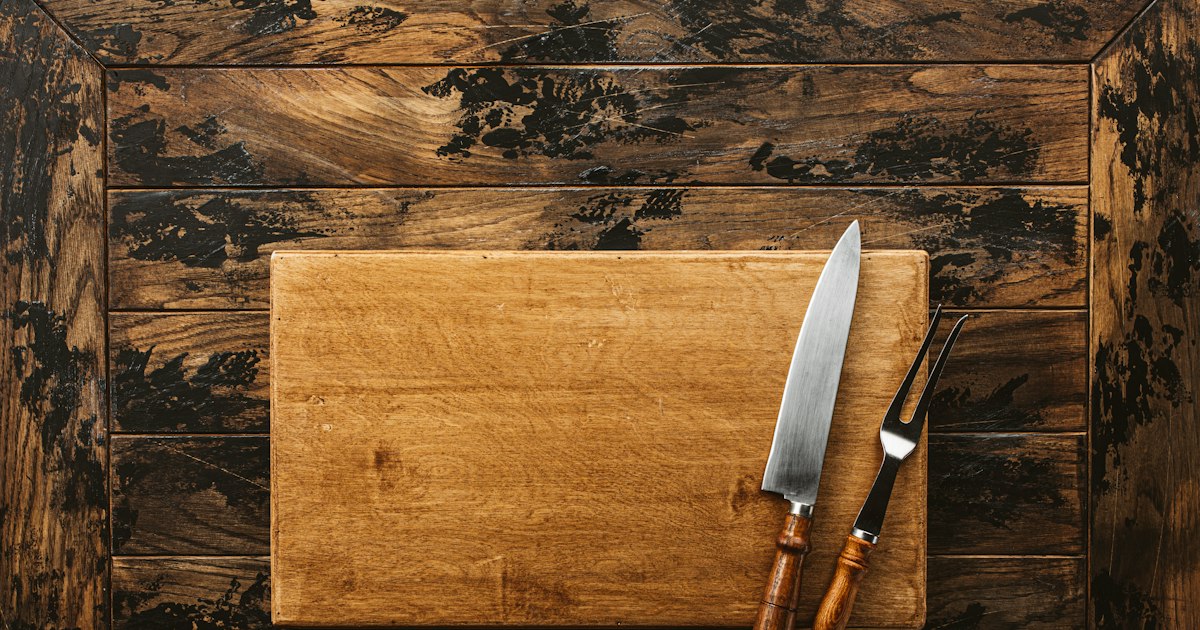
Photo by Sergey Kotenev on Unsplash
Walk into any serious kitchenware shop in Japan and you’ll notice the cutting boards get their own reverent corner — stacked by thickness, wood grain glowing under the lights, price tags ranging from a few thousand yen to the cost of a nice dinner for four. The manaita (まな板, cutting board) is one of those quietly obsessed-over Japanese kitchen tools, and if you cook even occasionally, it’s one of the most satisfying souvenirs you can bring home. The catch is that “wooden cutting board” covers a surprising amount of ground in Japan, and the two woods you’ll see most — hinoki (Japanese cypress) and icho (ginkgo) — behave very differently under a knife. Here’s how to tell them apart and buy one that’s actually worth the suitcase space.
Hinoki vs. Ginkgo: What Actually Separates Them
Hinoki is the wood most foreign visitors recognize first, mainly because it’s also used for onsen tubs, shrine architecture, and bath buckets — that clean, slightly sweet, almost citrus-like cedar smell is hinoki’s calling card. It’s naturally antibacterial, lightweight, and relatively soft, which makes it gentle on knife edges but also means it scars and dents more easily over years of chopping. A hinoki board is the board most Japanese households actually own.
Icho (ginkgo), by contrast, is the wood professional sushi and kappo chefs tend to reach for. It’s denser and heavier than hinoki but still has enough give to be kind to a blade, and it has a near-legendary reputation for “self-healing” — knife marks close up slightly between uses because of the wood’s natural resin content, so the surface stays smoother for longer. Ginkgo boards resist warping better than hinoki too, which matters if your kitchen swings between humid summers and dry, heated winters. The tradeoff is weight and price: a thick professional-grade ginkgo board can weigh 3–5kg, versus 1–2kg for a comparable hinoki board.
A third wood worth knowing about if you’re browsing: yanagi (willow), prized by old-school sushi chefs for being extremely soft on the blade, though it dents easily and is less common for home use. If a shop clerk starts talking wood species, these three names — hinoki, icho, yanagi — are the ones to listen for.
What to Actually Look For
Thickness matters more than most buyers expect. Thin boards (1.5–2cm) are light and easy to store but warp faster and feel less stable under a heavy knife. Boards in the 3–4cm range are the sweet spot for most home cooks — enough mass to stay put on the counter without a damp towel underneath, but still liftable with one hand. Professional ginkgo boards often run 4.5–6cm thick, which is wonderful to cook on but genuinely heavy to wash and store.
Check the grain direction and end-grain vs. face-grain construction. A single-piece board cut from one log (ichimaita) is the premium option and the most expensive; laminated boards made from glued strips of wood are cheaper, lighter, and perfectly functional for home use, just less prized. Also look at the edges — better boards have a slight bevel or rounded edge (men-totori) so the board doesn’t chip or tear cloth when you’re sliding it around.
Realistic Prices by Budget
Budget (¥2,000–¥5,000): Thin laminated hinoki boards in standard home sizes (around 24×36cm to 45×24cm), sold at home centers, department store basement kitchen floors, and supermarkets. Perfectly good for daily use.
Mid-range (¥6,000–¥20,000): Thicker single-piece hinoki boards, or entry-level laminated ginkgo boards, usually from specialty kitchenware shops. This tier is where most serious home cooks land.
Splurge (¥25,000–¥80,000+): Thick, single-piece ichimaita ginkgo boards, often custom-sized or chef-grade, sold at specialty wood craft shops and high-end department stores. Round “maru manaita” boards — the traditional shape still used in professional kitchens — tend to sit at this end too.
Where to Buy One in Japan
The single best place to shop is Kappabashi Dougu Street (合羽橋道具街) in Tokyo, a stretch of kitchen-supply shops between Asakusa and Ueno that has outfitted restaurants for over a century. Multiple shops here specialize in cutting boards and knives side by side, so you can compare hinoki and ginkgo boards in person and ask staff to recommend a size for your knife style. The nearest station is Tawaramachi on the Ginza Line, about a 5–7 minute walk; it’s also a 10-minute walk from Asakusa Station. Most shops open around 9:30 or 10am and close by 5:30–6pm, and because the street grew up serving restaurant wholesalers, a fair number of the older shops still close on Sundays — worth checking before you make it the only stop on your itinerary.
Outside Kappabashi, the kitchenware floor of any major department store (Takashimaya, Isetan, Mitsukoshi) will stock a smaller but reliable selection of hinoki boards, and larger branches sometimes carry ginkgo too. Dedicated wood-craft shops in Kyoto and Nara occasionally carry handmade ichimaita boards from regional woodworkers, which is worth seeking out if you’re already traveling that way and want something with more provenance than a mass-produced piece. If you’d rather shop without the trip, Rakuten Ichiba lists a wide range of manaita from specialty sellers; our guide on buying from Rakuten Ichiba as an overseas shopper covers how to navigate checkout and shipping if you want one delivered rather than carried home in a suitcase.
Timing Your Purchase
There’s no strict cutting-board season, but late December into early January is genuinely a good window to shop: many households buy new kitchen tools before the New Year as a symbolic fresh start, which means shops often run promotions on cookware (including boards) in the final weeks of the year. Outside of that, weekday mornings at Kappabashi are far less crowded than weekend afternoons, which matters if you want unhurried help from staff comparing wood grain and weight.
Common Mistakes to Avoid
The biggest mistake is treating a hinoki or ginkgo board like a plastic one — never put it in a dishwasher or let it soak in the sink; both will warp or crack the wood within a few uses. Wash it promptly with a brush and hot water, no long soaking, and dry it standing on its edge rather than flat, away from direct sunlight or a heater vent, which causes cracking as the wood dries unevenly. Skip the cooking oil treatment some people apply to other wooden boards — hinoki and ginkgo are typically left unoiled, since trapped oil can turn rancid in the wood’s natural pores. If the surface gets rough or stained after a year or two of heavy use, a light sanding with fine-grit sandpaper refreshes it; this is normal maintenance, not a sign you bought the wrong board.
The other common mistake is buying on price alone and ending up with a board too heavy to lift comfortably out of a small kitchen sink, or too thin to stay put without sliding. Hold the board before you buy, picture your actual kitchen counter and sink, and let that — more than the wood species — make the final call.