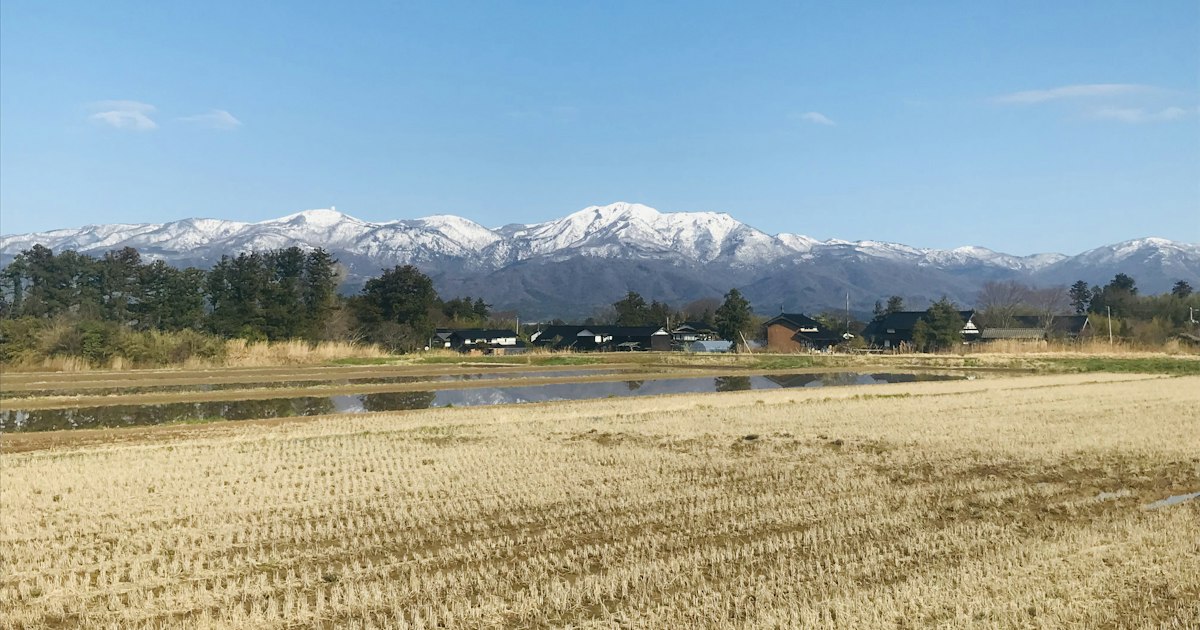
Photo by Siraj Shahjahan on Unsplash
Deep in Tokushima’s Iya Valley, a hamlet called Nagoro has become one of Japan’s strangest and most photographed destinations — not for a temple, a festival, or a view, but for hundreds of life-sized scarecrow dolls standing in for the neighbors who moved away or passed on. Locals and foreign media alike call it the “Scarecrow Village” or Kakashi no Sato. If you’re planning a detour from the famous Iya vine bridges, here’s what you actually need to know before you drive out there.
What Is Nagoro, and Why Do Dolls Outnumber People?
Nagoro is a small settlement in Higashi-Iya, part of Miyoshi City in western Tokushima Prefecture. Like much of rural Shikoku, it has been steadily depopulated for decades as younger generations moved to cities for work. Around 2002, a resident named Tsukimi Ayano, who had returned to care for her aging father, began making life-sized cloth-and-straw dolls modeled on people who used to live there — neighbors, relatives, and former classmates, many now deceased or relocated.
What started as a few figures in a garden grew into hundreds of dolls posed throughout the valley: farmers working in fields, children waiting at a bus stop, fishermen by the river, shopkeepers behind counters. Estimates commonly put the doll population at around 350, compared with fewer than 30 actual human residents — roughly a ten-to-one ratio that’s the whole reason the village draws visitors from overseas at all. It’s an unusual, slightly melancholy place rather than a theme park, and that tone is worth going in prepared for.
Getting to Nagoro: The Journey Is Part of the Experience
There is no train station in Nagoro, and this is genuinely remote, mountainous terrain — plan for a half-day commitment just to get in and out. The most realistic route for most visitors:
- By train + rental car: Take the JR Dosan Line to Oboke Station (reachable via limited express from Okayama or Takamatsu), then rent a car or arrange a taxi for the roughly 40–50 minute drive into Higashi-Iya. The road narrows considerably as you climb, with hairpin turns and limited passing room — this is not a route for a first-time nervous mountain driver.
- By car from Tokushima City: Figure on about 2–2.5 hours each way via mountain roads.
- By local bus: Miyoshi City runs community bus services into the Iya area, but schedules are infrequent (sometimes just a couple of runs a day) and change seasonally. Confirm current timetables with the Miyoshi Tourist Information office before relying on one.
A rental car is by far the least stressful option, and it also lets you combine Nagoro with the Iya Valley’s other main draw, the Kazurabashi vine bridges, which are about 30–40 minutes away. If your mountain roads get muddy — common after rain on these unpaved shoulders — a coin-operated car wash near Oboke or Awa-Ikeda before you return the rental can save you a cleaning surcharge.
The Nagoro Doll School
The emotional centerpiece of a visit is the former Nagoro Elementary School, which closed in 2012 after enrollment dropped to almost nothing. Ayano and local volunteers repopulated its classrooms with dolls seated at desks, standing at chalkboards, and lined up as a faculty — a direct, poignant stand-in for the last generation of students who graduated before the school shut its doors. The building and grounds are generally accessible to visitors during daylight hours, and there’s typically a donation box rather than a fixed admission fee — bring some coins. Treat it like you would a small shrine: look, photograph respectfully, and don’t rearrange or touch the dolls, some of which are fragile and all of which represent real people’s memories.
Best Time to Visit and How Long to Stay
Most visitors spend 45 minutes to 1.5 hours walking the main road through the hamlet, since the dolls are scattered along a short stretch of the valley rather than concentrated in one park. Spring and autumn are the most comfortable seasons for the drive and the walk — autumn foliage (mid-to-late November) adds a nice backdrop, similar timing to when you’d see displays for Kiku no Sekku chrysanthemum season elsewhere in Japan, though Nagoro itself has no connection to that festival. Avoid winter unless you’re confident driving snow routes: Iya Valley roads can ice over, and some sections see occasional closures. Summer is fine but humid; go earlier in the day to avoid both heat and afternoon mountain fog that can reduce visibility on the drive.
Where to Eat, Stay, and Soak Nearby
Nagoro itself has essentially no shops or restaurants — this is a residential hamlet, not a tourist facility, so bring water and snacks. Budget travelers typically base themselves in Oboke or Awa-Ikeda, where guesthouses and business hotels run roughly ¥6,000–9,000 a night. Mid-range travelers can look at the ryokan and hot-spring inns scattered through the Iya Valley itself, several of which overlook the gorge. If you want to soak after a day of mountain driving without sharing a bath with strangers, it’s worth booking a private onsen room (kashikiri buro) in advance, since many of the smaller Iya inns have just one or two private bath slots per evening. Note that many onsen facilities in Tokushima and neighboring prefectures now add a small local bathing fee on top of the entry price — see our guide to Japan’s onsen bathing tax (nyuyokuzei) so the extra few hundred yen on your bill doesn’t catch you off guard.
Common Mistakes First-Time Visitors Make
- Underestimating the drive time. Google Maps distances look short on paper but mountain switchbacks mean you should budget 25–50% more time than the estimate suggests.
- Treating it as a quick photo-op detour. Because there’s no single “entrance,” some visitors drive through without realizing dolls are spread along a longer stretch of road and miss the school entirely.
- No cash on hand. There are no convenience stores in Nagoro itself, and the school’s donation box and any small roadside honesty-stalls expect coins, not cards.
- No restroom plan. Facilities are sparse in this stretch of the valley. Use the restroom at Oboke Station or a convenience store in Awa-Ikeda before you head up — our guide to finding a public restroom in Japan covers apps that can help if you’re caught out elsewhere on the trip.
- Visiting right at dusk. The dolls are genuinely effective at distance in low light, and some visitors find the atmosphere less charming and more unsettling after sunset. If you’re sensitive to that, aim for midday.
Practical Tips & Etiquette
Nagoro is still someone’s home, not a museum exhibit — the remaining residents live alongside the dolls year-round. Keep voices down, stay on the road and designated paths rather than wandering into private yards or fields, and ask before photographing any dolls placed very close to an occupied house. If you’re combining this with other Shikoku stops, Tokushima City makes a reasonable overnight base with better food options than the valley itself, and it connects easily back to Takamatsu or Okayama if you’re continuing your Japan itinerary by rail.