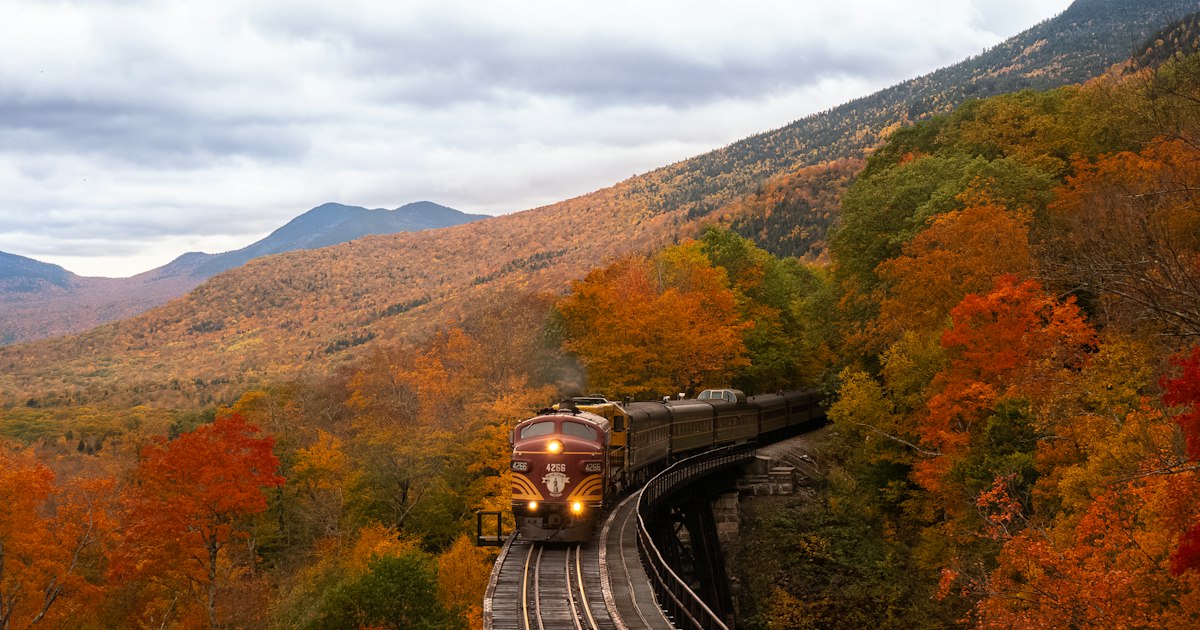
Photo by Balazs Busznyak on Unsplash
If you’re planning a day or two around Hakone, you’ll run into two similarly named passes almost immediately: the Hakone Freepass and the Fuji Hakone Pass. Both are sold by Odakyu Railway, both cover a tangle of trains, buses, ropeways, and a pirate ship, and both are easy to confuse at the ticket counter. The difference comes down to one thing — whether your trip stays inside Hakone or stretches across the mountain to the Fuji Five Lakes. Here’s what each pass actually gets you, what it costs, and which one saves you money.
What Each Pass Actually Covers
The Hakone Freepass is the classic Hakone ticket. It bundles your round-trip Odakyu Line train between Shinjuku and Odawara with unlimited rides on the Hakone Tozan Railway, Hakone Tozan Bus (on designated routes), the Hakone Ropeway, the Hakone Tozan Cable Car, and the Hakone Sightseeing Cruise (“pirate ship”) across Lake Ashi. It’s built for the loop that most visitors already have in mind: Odawara to Hakone-Yumoto, up through Gora and the ropeway to Owakudani, down to Togendai, across the lake, and back by bus.
The Fuji Hakone Pass covers the same Hakone network but swaps out the Shinjuku–Odawara train leg and adds the bus connection over to the Fuji Five Lakes area — specifically the Hakone–Kawaguchiko highway bus, local Fujikyu buses around Kawaguchiko and Lake Yamanaka, and the Mt. Fuji Panoramic Ropeway at Kawaguchiko. In short: Hakone Freepass is Hakone-only with the Tokyo train included; Fuji Hakone Pass is Hakone-plus-Fuji with the Tokyo train excluded.
Price Breakdown: Which One Costs Less
Pricing changes periodically, so always confirm current yen amounts at an Odakyu ticket counter or the official Odakyu website before you travel, but as a rough guide:
- Hakone Freepass (round trip from Shinjuku): around ¥6,100 for 2 days, ¥6,500 for 3 days for adults; children are roughly half price. Starting from Odawara instead of Shinjuku (if you’re already staying near there) is cheaper, closer to ¥5,000–5,400.
- Fuji Hakone Pass: a 3-day-only pass priced around ¥8,000 for adults, with children around half that. This price does not include the Shinjuku–Odawara train segment — you’ll need a separate Odakyu Line ticket (a regular ticket runs under ¥900 one-way, or you can pay extra for a reserved Romancecar seat) to get from Tokyo to the Hakone gateway.
So for a Hakone-only trip, the Freepass is almost always the better deal because it folds in your Tokyo-to-Odawara transport for a lower total price. The Fuji Hakone Pass only pays off once you’re actually crossing into the Fuji Five Lakes region, since that highway bus and the Fujikyu network aren’t cheap to cobble together ticket-by-ticket.
Fuji Hakone Pass: Best for Combining Fuji Five Lakes with Hakone
If your itinerary includes a night near Kawaguchiko — for Mt. Fuji views, the Panoramic Ropeway, or the Oshino Hakkai village — the Fuji Hakone Pass is the more efficient choice over buying separate tickets for each leg. The pass is valid for 3 consecutive days, which is tight if you want to linger in both regions; most travelers use day one for Hakone sightseeing, day two for the bus transfer and Fuji Five Lakes exploring, and day three for the return loop back through Hakone before heading to Odawara or Tokyo by separate train ticket.
Budget travelers should know the highway bus between Hakone-Yumoto/Togendai and Kawaguchiko takes roughly an hour to 90 minutes and the pass makes that transfer essentially “free” once you’ve paid for the pass — buying that one bus ticket alone can run ¥2,000+ each way, so if you’re doing the Hakone-to-Fuji crossing at all, the pass usually wins even before counting the ropeway and local bus use on the Fuji side.
Hakone Freepass: Best for a Focused Hakone-Only Trip
For visitors doing a single day trip or an overnight stay entirely within Hakone — ropeway views of Owakudani, the pirate ship across Lake Ashi, a soak at a hot spring ryokan — the Hakone Freepass is simpler and cheaper. It also comes with small perks worth knowing about: discounted admission at several Hakone attractions, including a reduced ticket price at the Hakone Open-Air Museum, one of the better-paced stops on the Tozan Railway route between Gora and the ropeway station.
If you’re staying overnight and want to end the day in a hot spring without sharing a bath with strangers, pair your pass-based itinerary with a reserved private bath — see our guide to booking a private onsen room (kashikiri buro) for how reservations and pricing work at Hakone ryokan.
How and Where to Buy Your Pass
Both passes are sold at Odakyu’s dedicated travel service centers, most usefully the one inside Shinjuku Station near the Odakyu Romancecar ticket gates, as well as at Odawara Station and major Hakone stations like Hakone-Yumoto. If you’re departing from Shinjuku, build in extra time to find the right counter — Shinjuku is Japan’s busiest station and the Odakyu entrances are a separate wing from the JR side. Our Shinjuku Station wayfinding guide covers how to find the Odakyu ticket machines and Romancecar platforms without doubling back through the wrong exit.
Both passes can also be bought online in advance through Odakyu’s official site, which lets you skip the counter line and pick up a voucher that’s exchanged for the physical pass at a machine. If you want a reserved Romancecar seat from Shinjuku (the faster, more comfortable option over the regular Odakyu Line train, with seat reservation typically adding a few hundred yen), book that separately — it is never bundled into either pass.
Common Mistakes to Avoid
- Buying the Fuji Hakone Pass for a Hakone-only trip. Since it excludes the Shinjuku–Odawara train, you’ll pay more overall than just getting the Freepass, even though “Fuji Hakone” sounds like the upgraded option.
- Underestimating travel time between regions. The Hakone-to-Kawaguchiko bus run can be delayed by weekend traffic on mountain roads, especially during autumn foliage (mid-to-late November) and cherry blossom season (early April) — build in a buffer rather than a tight connection.
- Forgetting the pirate ship and ropeway can close for weather or maintenance. High winds occasionally suspend the Hakone Ropeway or the Lake Ashi cruise; check Odakyu’s site for service alerts on the morning of your trip since the pass itself isn’t refunded for weather closures.
- Not checking the Freepass validity window carefully. The 2-day and 3-day counts run on consecutive calendar days from first use, not 24-hour blocks — a late afternoon start on day one eats into your trip more than it looks like on paper.
Sample Itineraries for Each Pass
2-day Hakone Freepass (budget, Hakone-only): Day 1 — Shinjuku to Odawara to Hakone-Yumoto, Tozan Railway up to Gora, Open-Air Museum, ropeway to Owakudani for the sulfur vents. Day 2 — ropeway onward to Togendai, pirate ship across Lake Ashi to Hakone-machi for the shrine’s lakeside torii gate, bus back to Odawara.
3-day Fuji Hakone Pass (mid-range, two regions): Day 1 — Hakone loop as above. Day 2 — highway bus to Kawaguchiko, Panoramic Ropeway for Fuji views, afternoon at Oshino Hakkai. Day 3 — bus back through Hakone for a final onsen stop before returning to Odawara on a separately purchased train ticket.
Whichever you choose, the pass pays for itself fastest when you actually use the ropeway, cruise, and at least one bus leg — if your plan is mostly walking and taxis, do the math on individual tickets before assuming the pass is cheaper.