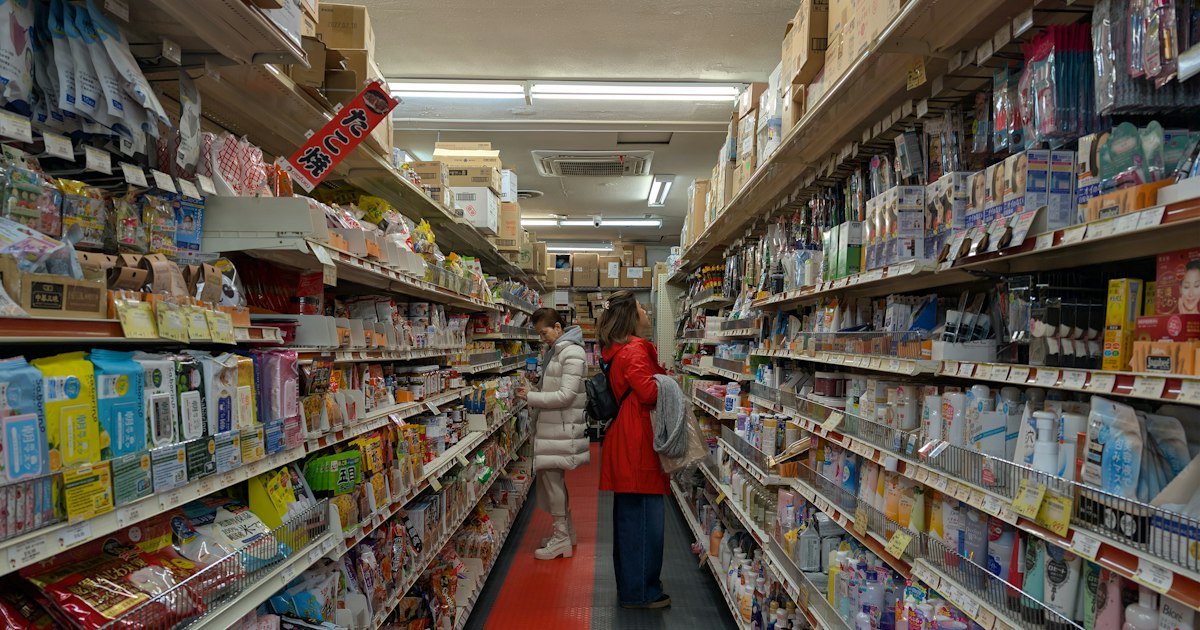
Photo by Nathan Cima on Unsplash
If you’ve scrolled past “glass skin” videos praising Japanese spot treatments, there’s a reason the hype sticks: Japan’s drugstores stock some of the most effective, inexpensive acne care on the planet, and most of it never gets exported. A single trip to a Matsumoto Kiyoshi or Sundrug can replace half your skincare cabinet for under 3,000 yen. Here’s what’s actually worth buying, where to find it, and the mistakes that trip up first-time shoppers.
What Makes Japanese Spot Treatments Different
Japanese OTC skincare is regulated more conservatively than in the US or Korea, so active ingredients tend to be dosed gently — think lower-percentage salicylic acid and isopropylmethylphenol rather than aggressive benzoyl peroxide. The upside is less redness and peeling; the trade-off is that a Japanese spot treatment usually calms and shrinks a pimple over two or three days rather than nuking it overnight. Patches, meanwhile, lean on thin hydrocolloid or silicone discs designed to sit invisibly under makeup and survive humid summer air without curling at the edges — a real engineering problem in a country where August humidity regularly tops 70%.
Packaging is almost entirely in Japanese, so it helps to recognize a few words on the shelf: ニキビ (nikibi) means acne or pimple, 薬用 (yakuyō) means medicated, and パッチ (patchi) is just “patch.” Products labeled 医薬品 (iyakuhin) are regulated drugs with active ingredients; 医薬部外品 (iyakubugaihin) is the “quasi-drug” category most patches and spot gels fall into.
The Drugstore Picks Worth Buying
Budget (under 1,000 yen): Nexcare Acne Patches by 3M are the default recommendation — a box of 36 thin hydrocolloid dots runs roughly 700–900 yen and works by drawing out fluid from an already-popped or close-to-surface blemish overnight. They’re genuinely invisible under a sheet mask or foundation, which is why they’ve become a staple photo-op product for visitors.
Mid-range (1,000–1,800 yen): Rohto’s Melano CC Pimple Care Essence pairs vitamin C derivative with tranexamic acid to fade the red or brown mark a blemish leaves behind — it’s less about the active pimple and more about the aftermath, which Japanese skincare treats as a separate problem worth its own product. Lion’s PAIR Acne Medicated Cream W is the classic spot cream for an angry, not-yet-surfaced pimple; it contains isopropylmethylphenol and glycyrrhetinic acid to calm inflammation, and a small tube lasts months since you only need a pinhead amount per spot.
Splurge (2,000–3,500 yen): Look for Hada Labo or Obagi’s concentrated spot serums, sold in small dropper bottles with a higher concentration of actives and a noticeably more “clinical” price tag. These are the ones worth grabbing if you have persistent, recurring breakouts rather than the occasional spot — and they make a genuinely useful souvenir for a skincare-obsessed friend back home.
Where to Buy Them
You don’t need to hunt — every major drugstore chain stocks all three tiers side by side. Matsumoto Kiyoshi (“matsukiyo”), Sundrug, Daikoku Drug, Tomod’s, Cocokara Fine, and Welcia are the big names, and you’ll find dense clusters of them around Shinjuku, Shibuya, Harajuku, and Dotonbori. Typical hours run 10am–9pm or later in city centers; some locations near major stations stay open past 10pm, and a handful of Don Quijote branches in Shibuya and Shinjuku run 24 hours, which is handy if a breakout strikes at midnight before a big day of sightseeing. If you’re navigating a Shinjuku branch, the station itself is notoriously disorienting — our Shinjuku Station wayfinding guide is worth a look before you head out. In Osaka, the drugstores lining Shinsaibashi and Dotonbori sit a short walk from Amerikamura, so it’s easy to combine a skincare run with an afternoon of vintage shopping.
Duty-free counters inside these chains (look for a “Tax-Free” sign) will knock off the 10% consumption tax on purchases over 5,000 yen, but you’ll need your passport, and sealed cosmetics/medicines get bagged as “consumables” — don’t open them until you’ve left Japan, or the tax exemption can be voided at departure.
Best Season and Timing to Shop
Breakouts in Japan track the weather more than most visitors expect. Humidity spikes from June through September bring on more congestion and oil, which is exactly when patches and lightweight gels outsell heavier creams. In winter, drugstores shift shelf space toward thicker, more occlusive spot creams since dry heated air can aggravate healing blemishes — it’s the same seasonal swing that drives demand for other drugstore staples like the disposable kairo hand warmers you’ll see stacked near the registers from October onward. If you’re buying for a long trip, grab patches in summer and a cream or essence in winter rather than assuming one product covers both climates.
Common Mistakes Foreign Buyers Make
- Expecting benzoyl-peroxide strength. If you’re used to 5–10% BP spot treatments from home, Japanese actives will feel mild by comparison — that’s intentional, not a weaker formula.
- Applying patches to oily or sweaty skin. Hydrocolloid needs a clean, dry surface to stick; in humid months, pat the spot dry and wait a minute before applying or it’ll peel off by lunchtime.
- Buying fragranced versions by accident. Some product lines sell both a 無香料 (mukōryō, unscented) and a scented variant on the same shelf — scan the label if sensitivity is a concern.
- Overbuying regulated drugs. A few spot treatments are classed as regulated OTC drugs rather than quasi-drugs, which occasionally means limited stock per customer or a staff member needing to be present at checkout — don’t be surprised if a clerk asks a quick question before ringing you up.
Bringing Them Home
Quantities for personal use are rarely an issue, but if you’re stocking up heavily, keep purchases within what looks like a reasonable multi-month supply for one person — customs in your home country is more likely to flag an unlabeled bulk shipment than a shopping bag of drugstore skincare. Keep the original boxes if you can; the printed ingredient list is useful if a pharmacy back home asks what’s in something, since most of these products have no English packaging at all.