Photo by Charles Chen on Unsplash
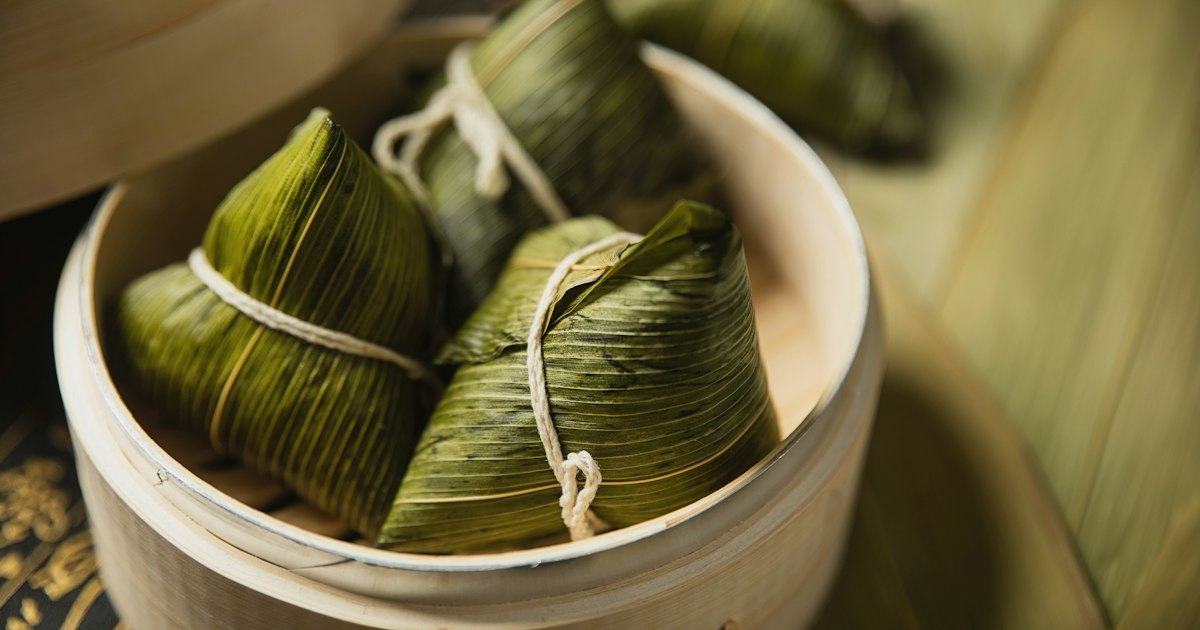
Walk through a Japanese department store food floor in late April, or a souvenir shop in Niigata any time of year, and you’ll spot bundles of rice dumplings wrapped tightly in long green leaves. These are chimaki and sasa dango — two of Japan’s oldest “wrapped” foods, both using bamboo or bamboo-grass leaves as a natural packaging that flavors, preserves, and presents the rice inside. They look similar at a glance, but they come from different regions, different seasons, and in one case, aren’t even meant to be eaten. Here’s how to tell them apart and where to actually try them.
Two Very Different Things Called “Chimaki”
The word “chimaki” covers two unrelated items, and mixing them up is the single most common mistake visitors make.
The edible version is a cone or cylinder of glutinous rice or mochi, sometimes plain and sweet, sometimes filled with red bean paste, wrapped in bamboo leaf (sasa or takenoko no kawa) and steamed or boiled. It’s most associated with Tango no Sekku, the Children’s Day festival on May 5th, especially in Kansai (Kyoto, Osaka) where chimaki is the traditional treat, while Kanto households tend to favor kashiwa mochi (oak-leaf wrapped) for the same holiday. Expect to see chimaki in wagashi (Japanese sweets) shop windows from mid-April through early May, priced roughly ¥200–400 per piece or ¥1,200–2,000 for a bundle of five.
The non-edible version is the chimaki sold during Kyoto’s Gion Matsuri in July — small bamboo-leaf charms, not food, meant to be hung on your front door as a protective talisman against illness and misfortune for the year. They’re sold by the hundreds along Shijo-dori and at Yasaka Shrine during the festival (roughly July 1–31, with the main sales window around the Yamaboko float processions in mid-July), typically ¥1,000–1,500 each. Tourists occasionally try to eat these out of confusion with the Kansai dessert — don’t. They’re decorative only.
Sasa Dango: Niigata’s Bamboo-Leaf Rice Dumpling
Sasa dango is a distinct specialty from Niigata Prefecture: a mochi-like dumpling made from rice flour (often mixed with mugwort, giving it a dark green color and slightly herbal taste), filled with sweet red bean paste, and wrapped in sasa — the broad-leafed bamboo grass that grows across Niigata’s mountains. The leaf isn’t just packaging; sasa has mild antibacterial properties, which historically helped preserve the rice during travel. Local lore ties this back to the warlord Uesugi Kenshin, said to have carried sasa dango as portable rations for his troops in the 1500s.
Unlike chimaki, sasa dango is available year-round and is one of Niigata’s signature souvenirs, sold in boxes of 5–10 pieces for roughly ¥800–1,800 depending on the shop and whether it’s handmade or mass-produced. It’s soft, slightly sticky, and you peel the leaf away before eating — the leaf itself is not eaten, unlike some leaf-wrapped sweets elsewhere in Japan.
Best Times and Places to Try Both
For chimaki (the edible Kansai version), timing matters: wagashi shops stock it only around late April to early May for Children’s Day. Kyoto’s older confectionery shops in neighborhoods like Teramachi and around Nishiki Market carry it seasonally, and department store basement food halls (depachika) in Kyoto, Osaka, and Tokyo stock regional versions during the same window — convenient if you’re already comparing seasonal sweets the way you might check out something like Setsubun mame around February 3rd, another snack with a tight seasonal window.
For sasa dango, Niigata City and Niigata Station are the easiest places to find it fresh and cheap — the station’s souvenir floor and local supermarkets sell same-day product, and it’s also a popular pick-up at Niigata Airport if you’re flying out. Outside Niigata, it shows up in the “regional specialties” sections of large supermarkets and department stores nationwide, though freshness and price vary more.
If you want to see the Gion Matsuri chimaki in its proper context rather than just buying one, go during the festival itself in mid-July, when the Yamaboko floats are on display in central Kyoto and the charm-sellers set up stalls right alongside the float viewing areas.
How to Eat Them (and Common Mistakes)
With edible chimaki and sasa dango, unwrap the leaf before eating — it’s there for aroma, moisture, and shape, not as an edible wrapper like nori. The leaf is usually tied with a thin reed or string; untie rather than tear, since torn leaves can leave shreds stuck to the rice. Both are meant to be eaten at room temperature or slightly warm; if a shop sells them refrigerated, a quick 20–30 second steam or microwave burst brings back the proper soft texture.
The other common mistake, beyond confusing the two chimaki types, is assuming any bamboo-leaf-wrapped rice item you see is one of these two. Chimaki and sasa dango are specific regional items — there are other unrelated leaf-wrapped foods around Japan, so if a label just says “mochi” or uses a different leaf (oak, magnolia), it’s a different sweet with its own name and tradition, similar to how a regional dish like Nagasaki’s kakuni looks like generic braised pork but is tied to a specific place and method.
Where to Buy for Home or as Souvenirs
Both travel reasonably well if you’re not checking a bag for a few days — sasa dango in particular is sold in vacuum-sealed or well-wrapped boxes specifically for souvenir purposes, with a shelf life printed on the box (usually a few days unrefrigerated, longer if frozen). Convenience stores and station kiosks in Niigata carry grab-and-go single pieces for about ¥150–250 if you just want to try one before committing to a box.
If you’ve already left Niigata and want to order sasa dango to try again at home, several Niigata confectioners sell it through Rakuten Ichiba; if you haven’t used the platform before, our guide to buying from Rakuten Ichiba as an overseas shopper covers how to handle shipping and language barriers for exactly this kind of regional food order.
Budget, Mid-Range, and Splurge Options
Budget: a single convenience-store or supermarket sasa dango (¥130–250) or a plain chimaki from a seasonal supermarket display (¥150–300) is a fine way to try the basic flavor without commitment.
Mid-range: a boxed set of 5–8 pieces from a dedicated Niigata confectioner (¥900–1,800) or a Kyoto wagashi shop’s seasonal chimaki gift box (¥1,500–3,000) gets you noticeably better texture and filling quality, and makes a reasonable souvenir for a small group.
Splurge: handmade versions from long-established wagashi houses, sold in lacquered boxes for ¥3,000–5,000+, use higher-grade rice and bean paste and are typically what’s given as a formal gift during the Children’s Day season — worth it if you want the full traditional presentation rather than just the taste.