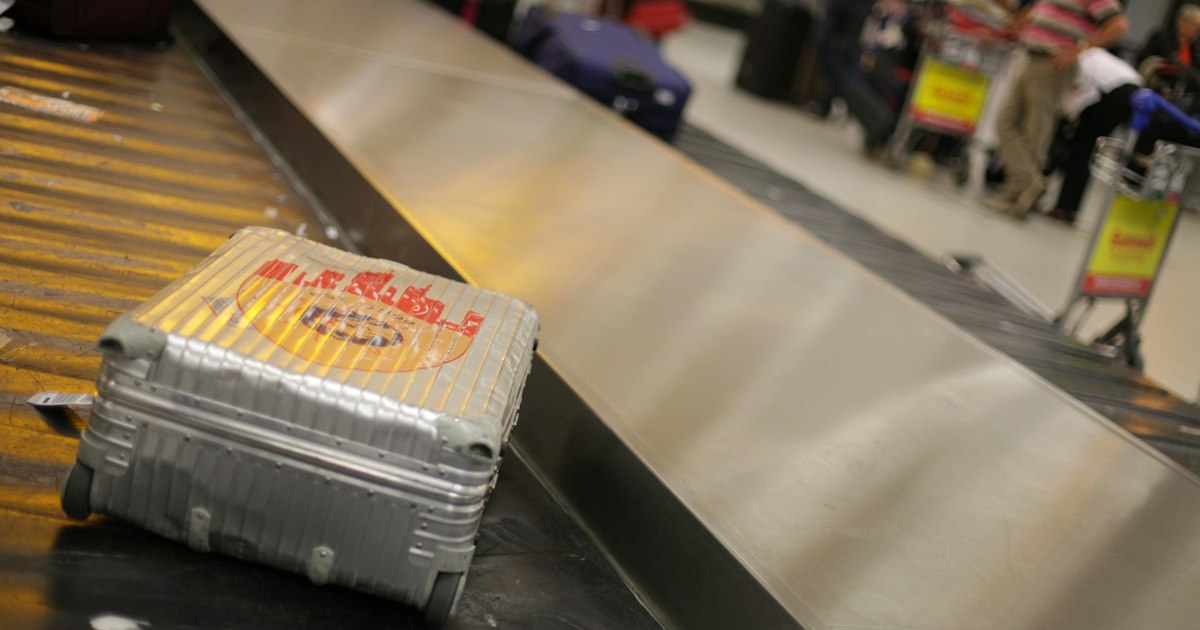
Photo by Dimitri Karastelev on Unsplash
You’ve spent two weeks filling your suitcase with sake, skincare, snacks, and a few things you didn’t know you needed until you saw them in a Tokyu Hands aisle. Now it’s the night before your flight home, and you’re staring at a padlock you bought at a 100-yen shop wondering if it’s going to get cut off at the airport. The liquids-and-locks problem catches almost every first-time visitor, and the rules are a little different depending on where you’re flying from and who’s doing the screening. Here’s what actually matters.
The Liquids Rule Applies in Japan Too, Not Just at Your Home Airport
Many travelers assume the “3-1-1” liquids rule (3.4 oz / 100ml containers, one quart-sized clear bag, one bag per passenger) is a TSA-only thing they’ll deal with when they land back in the US. It isn’t — it’s an ICAO-based international standard, and Narita, Haneda, Kansai, and every other Japanese international airport enforces the same 100ml-per-container limit at the security checkpoint before you even board. If you’re flying to the US, the TSA rule is really just the mirror image of the screening you already passed through in Japan.
The practical issue is that Japanese drugstore and department store liquids are rarely sold in 100ml bottles. Toners, essences, and lotions from brands sold at Japanese drugstores commonly come in 150ml–200ml bottles, and sake and shoyu gift sets are almost always 180ml–720ml. None of that fits in your carry-on quart bag. If you’re stocking up on skincare — see our drugstore picks for acne patches and spot treatments for what’s actually worth buying — plan to pack full-size liquids in checked luggage, not your carry-on, full stop. Patches and sheet masks are solid, not liquid, so they’re fine in a carry-on regardless of size.
TSA-Recognized Locks vs. the Lock You Bought at Don Quijote
This is where most people get caught out. TSA agents in the US are authorized to open your checked bag for inspection, and if your lock isn’t one they can open, they’re allowed to cut it off — and they will, with no compensation for the lock or any damage to the zipper pull. The locks they can open without cutting are “Travel Sentry” locks, identifiable by a small red diamond logo stamped on the lock body. These have a universal master-key system that security agents at major airports (not just in the US) can access.
Japanese suitcase brands sell both kinds. Mid-range and premium Japanese luggage (Samsonite Japan, ACE, Legend Walker) typically includes a built-in combination lock with the Travel Sentry diamond on the dial housing — check the lock face for it. Budget suitcases, and especially standalone padlocks sold cheaply at 100-yen shops or souvenir stalls, usually don’t have it. If you’ve locked your suitcase with a non-TSA padlock and a US-bound flight triggers a manual inspection, that lock gets cut, no matter how nice it looked.
If you’re also buying something with real resale or sentimental value to pack — antique coins, a vintage guitar, or anything you’d hate to see damaged by a forced inspection — it’s worth being extra conservative with locks. That logic applies whether you’re hauling home a koban coin from an antique dealer or a case you picked up for a used guitar from Ochanomizu — don’t lock the hard case at all if security is likely to want a look, or use a TSA-recognized lock so it can be opened without force.
Where to Buy a TSA-Compatible Lock Before You Fly
You don’t need to bring one from home. Tokyu Hands and Don Quijote both carry TSA-marked combination locks for roughly ¥800–¥1,500, usually in the travel-goods or luggage accessories section. Don Quijote stores in tourist areas like Shibuya, Akihabara, and Shinjuku stay open very late (many locations run until 2am or 5am, some 24 hours), so it’s an easy last-minute stop the night before departure. Muji also sells simple TSA-compatible cable locks for around ¥990. Look specifically for the red diamond logo on the packaging — “key lock” or “combination lock” alone doesn’t guarantee it’s Travel Sentry-approved.
Duty-Free Sake, Whisky, and Cosmetics: The Exception That Trips People Up
Once you clear security at a Japanese airport, duty-free shops sell liquids — sake, whisky, perfume, skincare — in quantities well over 100ml, and that’s legal because they’re sealed in a tamper-evident STEB (security tamper-evident bag) with your boarding pass and receipt visible inside. That bag lets you carry it onto the plane even though it exceeds the normal limit.
The catch is connecting flights. If your Japan–US itinerary involves a layover where you have to clear security again (common with some routings through other countries), that STEB bag may need to be re-screened, and depending on the connecting airport’s rules, it can be confiscated even though it was perfectly legal when you bought it. If you have a direct flight home, duty-free liquids in the sealed bag are safe to carry on. If you’re connecting anywhere, pack any duty-free liquids in checked luggage instead, or buy them in your home airport’s own duty-free zone if available.
Common Mistakes to Avoid
- Packing full-size skincare or sauce bottles in your carry-on — anything over 100ml needs to go in checked luggage, even if it was sealed at the store.
- Locking checked bags with a non-TSA padlock — it may simply get cut off during a random or triggered inspection.
- Forgetting that kairo body warmers and other pressurized or heat-generating items have their own rules — the iron-oxide type sold everywhere in winter (see our guide to kairo warmers) are fine in checked or carry-on since they’re not pressurized, but always keep them in original packaging so security can identify them at a glance.
- Packing kitchen knives or a heavy teppan griddle plate in carry-on — bladed items and anything resembling a weapon must go in checked luggage; if you bought a hinoki cutting board or kitchen knife set, pack them checked and wrapped, not in your carry-on.
- Assuming you have to carry everything at all — if your haul has gotten too big or too liquid-heavy to fly home safely, it’s often cheaper and less stressful to ship it. Shipping overseas purchases through Rakuten or a forwarding service sidesteps the liquids and locks problem entirely for anything you don’t need to hand-carry.
A Simple Packing Strategy for the Flight Home
Sort your purchases into three piles before you even think about locks: carry-on solids and sub-100ml liquids, checked-bag liquids and anything bladed or fragile, and “ship it instead” for bulky or liquid-heavy items you bought mainly as gifts. Lock only your checked bag, and only with a Travel Sentry-marked lock. Leave your carry-on unlocked — security needs to open it anyway, and an unlocked bag moves through the line faster. Budget travelers can skip buying a lock altogether and use a zip-tie or the suitcase’s built-in strap instead; it won’t stop a determined thief, but it does show if the bag’s been opened, and it’s not something TSA needs to cut.