Photo by Tanya Prodaan on Unsplash
Every late July, two very different festivals take over Japan’s music calendar. Fuji Rock Festival turns a ski resort deep in the Niigata mountains into a three-day camping-and-dancing marathon, while Summer Sonic runs a slicker, two-city, in-and-out-by-train operation in Chiba and Osaka. Both attract major international headliners alongside Japan’s best domestic acts, and both are genuinely manageable for foreign visitors — but each has its own logistics, costs, and rookie mistakes. Here’s what you need to know before you book.
Fuji Rock Festival: what it actually is
Despite the name, Fuji Rock doesn’t happen anywhere near Mt. Fuji — it’s held at Naeba Ski Resort in Yuzawa, Niigata Prefecture, about 200 km northwest of Tokyo. Founded in 1997, it’s Japan’s original large-scale outdoor rock festival and runs for three days, typically the last weekend of July (2026 dates will likely follow the same late-July pattern, confirmed on the festival’s official site each spring). The site spreads across a forested valley and ski slopes, with multiple stages connected by walking trails through actual woods — it feels more like a wilderness retreat with bands than a conventional festival.
Tickets are sold in tiers: a 3-day pass with camping runs roughly ¥55,000–¥65,000, single-day tickets around ¥22,000–¥25,000, and a non-camping option if you’d rather commute from a hotel in Yuzawa town. Buy early — prices rise in stages as the event approaches, and the cheapest “early bird” passes often sell out by spring.
Getting to Naeba without a car
There’s no train station at the venue itself, so almost everyone arrives by shuttle bus. The standard route is Shinkansen from Tokyo Station to Echigo-Yuzawa Station (about 75 minutes), followed by a festival shuttle bus to the Naeba site (another 40–50 minutes). Round-trip shuttle tickets must be reserved in advance through the official Fuji Rock ticket system and typically cost around ¥5,000–¥6,000 — they sell out for peak arrival times, so book your slot as soon as you have festival tickets, not the week before.
Budget travelers often take an overnight highway bus from Tokyo directly to the festival instead of the Shinkansen-plus-shuttle combo — it’s slower but cheaper, and if you want to compare seat comfort before committing to a long overnight ride, our guide to Willer Express’s Cocoon and Relax class seats is worth a look. Driving is possible but parking at Naeba is limited and expensive during festival weekend, so it’s rarely the easier option.
Camping, sleeping, and surviving the mud
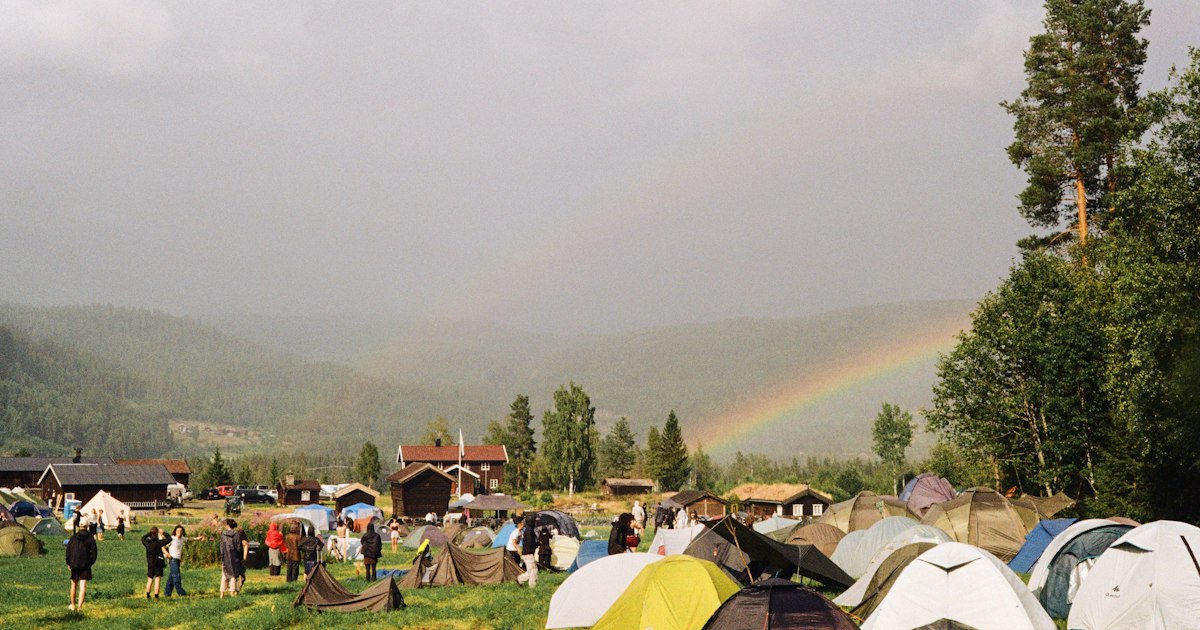
Most attendees camp on-site; tent pitches are first-come, first-served once gates open, so arriving on day one morning rather than afternoon gets you a flatter, drier spot. Naeba’s weather swings fast — hot and humid by day, cool at night, and prone to sudden downpours that turn the campground to mud (this is practically a festival tradition at this point). Pack a proper rain layer, a tarp or footprint for under your tent, and boots you don’t mind ruining. If you’d rather not camp, hotels and ryokan in Echigo-Yuzawa town book out months in advance for festival weekend, so reserve the moment your dates are fixed.
Because the site sits in genuine mountain terrain with marked trails between stages, hikers in your group might recognize the area — it’s the same Niigata backcountry that trail-running and hiking communities track using apps like YAMAP, which can be handy for checking weather and trail conditions around the valley if you want to explore beyond the festival grounds on an off-day.
Niigata is also noodle country, and after three days of festival food stalls, a bowl of the region’s distinctive hegi soba — seaweed-bound buckwheat noodles served cold on a wooden tray — makes a genuinely good recovery meal in Yuzawa or nearby Nagaoka before you head back to Tokyo.
Summer Sonic: the city-based alternative
Summer Sonic runs the same weekend as Fuji Rock (historically — check each year’s announcement, as dates occasionally shift) but could not be more different in character. It’s a two-location festival, with mirrored lineups running simultaneously at Zozo Marine Stadium and Makuhari Messe in Chiba (just outside Tokyo) and at Maishima in Osaka. Many touring artists play both cities on different days, and a shuttle/transfer system even lets some ticket holders move between the Chiba and Tokyo-area venues within the same event.
Unlike Fuji Rock, there’s no camping — you commute in by train each day and sleep in a normal hotel bed, which makes it the far easier option if you’re combining the festival with a broader Tokyo or Osaka sightseeing trip. Tickets run roughly ¥25,000–¥30,000 for a day pass and ¥45,000–¥55,000 for a two-day pass, with early-bird discounts for buying months ahead.
Getting to the Summer Sonic venues
For the Chiba venues, take the JR Keiyo Line to Kaihin-Makuhari Station — both Zozo Marine Stadium and Makuhari Messe are a 10–15 minute walk from the station, and it’s a straightforward 30–40 minute train ride from central Tokyo. For the Osaka leg, Maishima is reached via a direct festival shuttle bus from JR Sakurajima Station or Yumeshima, since the venue itself isn’t walkable from any train line. Both cities run extended late-night train service on festival nights, but double-check the last train time for your specific line before you commit to staying until the final encore — missing it means an expensive taxi back.
Beating the summer heat
Late July in Japan means genuinely dangerous heat and humidity, and this is the single biggest risk factor at both festivals — more than lineup clashes or ticket prices. Japan issues official “necchusho keikai” extreme heat warnings through the summer, and festival organizers take them seriously, with water stations, misting areas, and shaded rest zones at both events. Read our guide to Japan’s extreme heat warnings before you go — the same precautions (electrolyte supplements, scheduling intense activity for morning or evening, knowing heatstroke symptoms) apply directly to standing in a festival crowd for eight hours a day.
At minimum, bring: a hand towel, a portable fan or cooling neck wrap, electrolyte tablets or sports drinks (sold everywhere on-site but worth having a backup supply), and sunscreen you reapply, not just one you packed. Both festivals sell large refillable water bottles or allow empty bottles in for refilling at water stations — don’t rely on buying bottled water all day, as queues get long.
Common mistakes first-timers make
- Not reserving the Fuji Rock shuttle bus early. Tickets to the festival don’t include a transport reservation — it’s a separate booking that sells out.
- Underestimating the walk at Naeba. Stages are genuinely spread across a mountainside; budget real time to move between them and wear shoes you’ve broken in.
- Assuming cash isn’t needed. Many food stalls and smaller vendors at both festivals are cash-only or have unreliable card readers — carry yen in small bills.
- Skipping rain gear at Fuji Rock because the forecast looks clear. Mountain weather changes fast; a lightweight poncho costs little and saves a miserable night.
- Booking one-way travel without checking last-train times at Summer Sonic, especially from Maishima, where the shuttle bus stops running earlier than you’d expect.
Whichever festival you choose, the core advice is the same: book transport and tickets early, prepare seriously for heat (and, at Fuji Rock, rain and mud), and treat the travel logistics as part of the experience rather than an afterthought. Both events reward visitors who show up with a plan — and both deliver lineups and atmospheres you won’t find anywhere else in Asia.